

Kyoto
Torisaki Jikou
鳥さき而光
Torisaki Jikou continues a lineage of yakitori craftsmanship that runs from Tokyo to Kyoto. Behind the grill stands Junya Sakakibara, who trained at its parent restaurant Torisaki, itself
an offshoot of the acclaimed Torishiki. Drawing on methods refined by his mentors, Sakakibara grills each skewer with measured control, drawing out the natural depth of Japanʼs
finest poultry and seasonal vegetables. Housed inside a restored Kyoto townhouse, this brand new restaurant brings together traditions and art of modern dining.
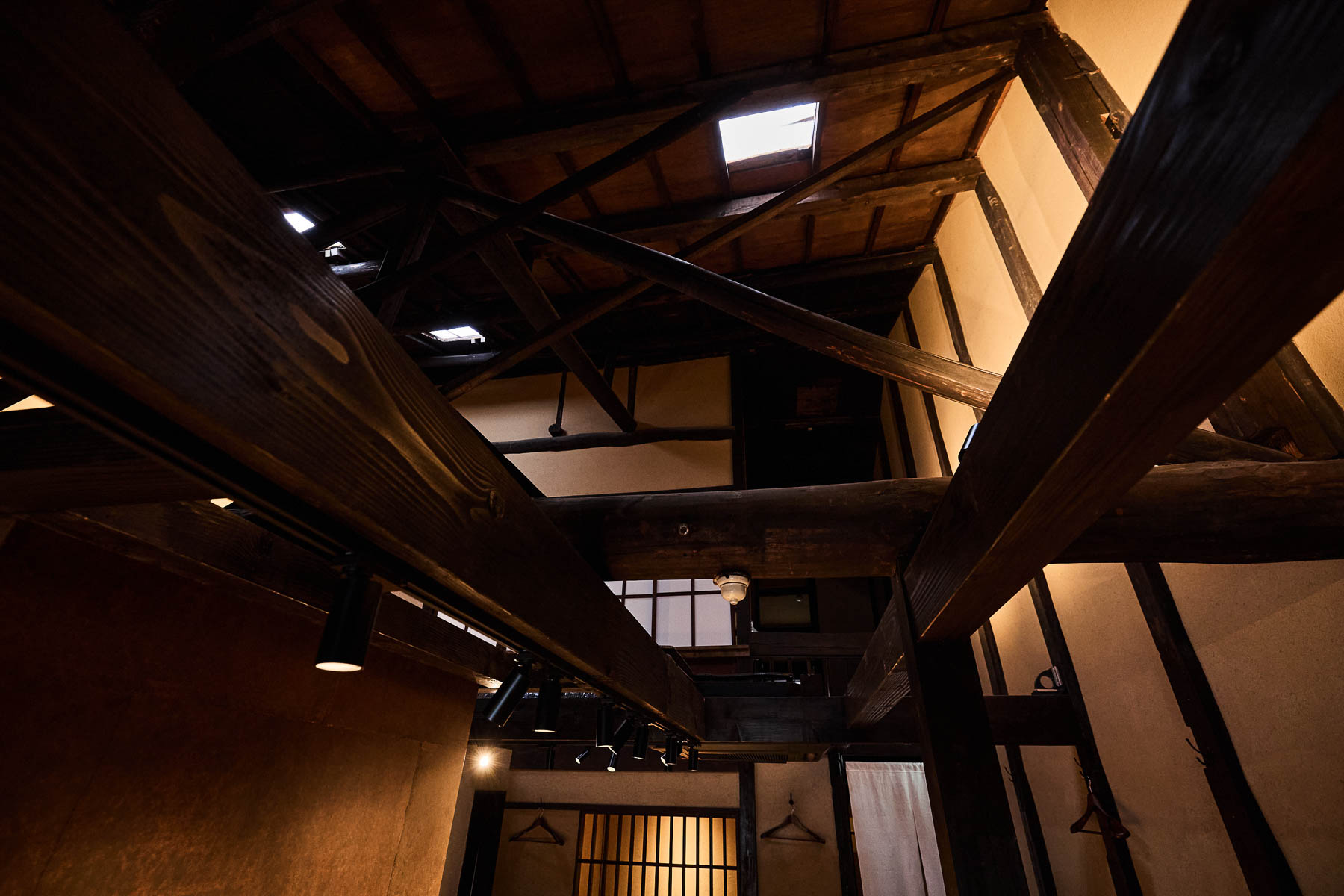
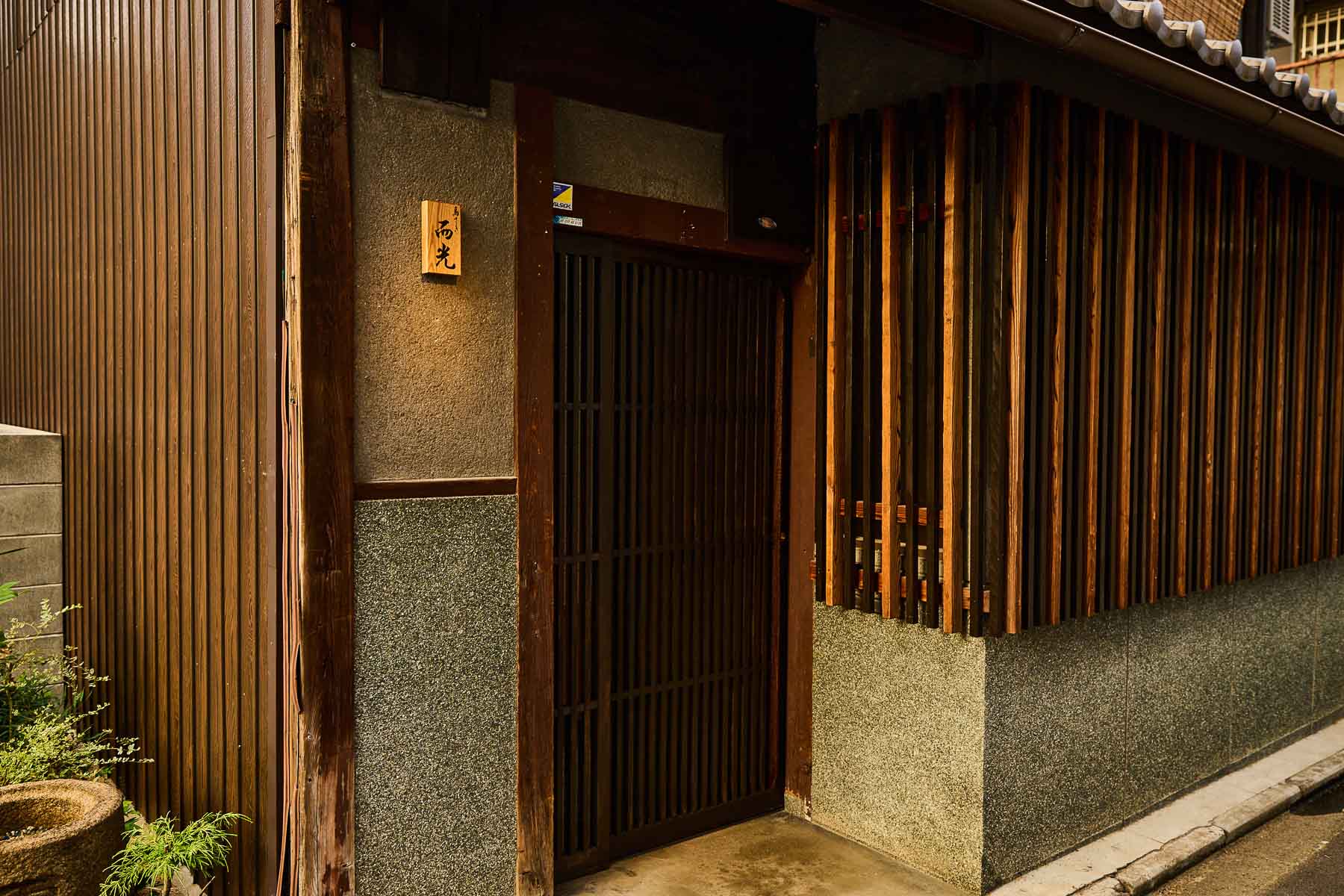
Located about fifteen minutes from Kyoto Station, Torisaki Jikou sits one block off Goin-dori, an area drawing a new wave of small, design-minded restaurants. The building once housed a dyeing workshop; today, its wooden beams and soft light create an inviting atmosphere. The signage at the entrance is carved from Mizunara oak, a tribute to the chefʼs late father. The name, Jikou, takes the letters of his wife Mitsuki and son Niroku, expressing the idea of finding light through confusion.”
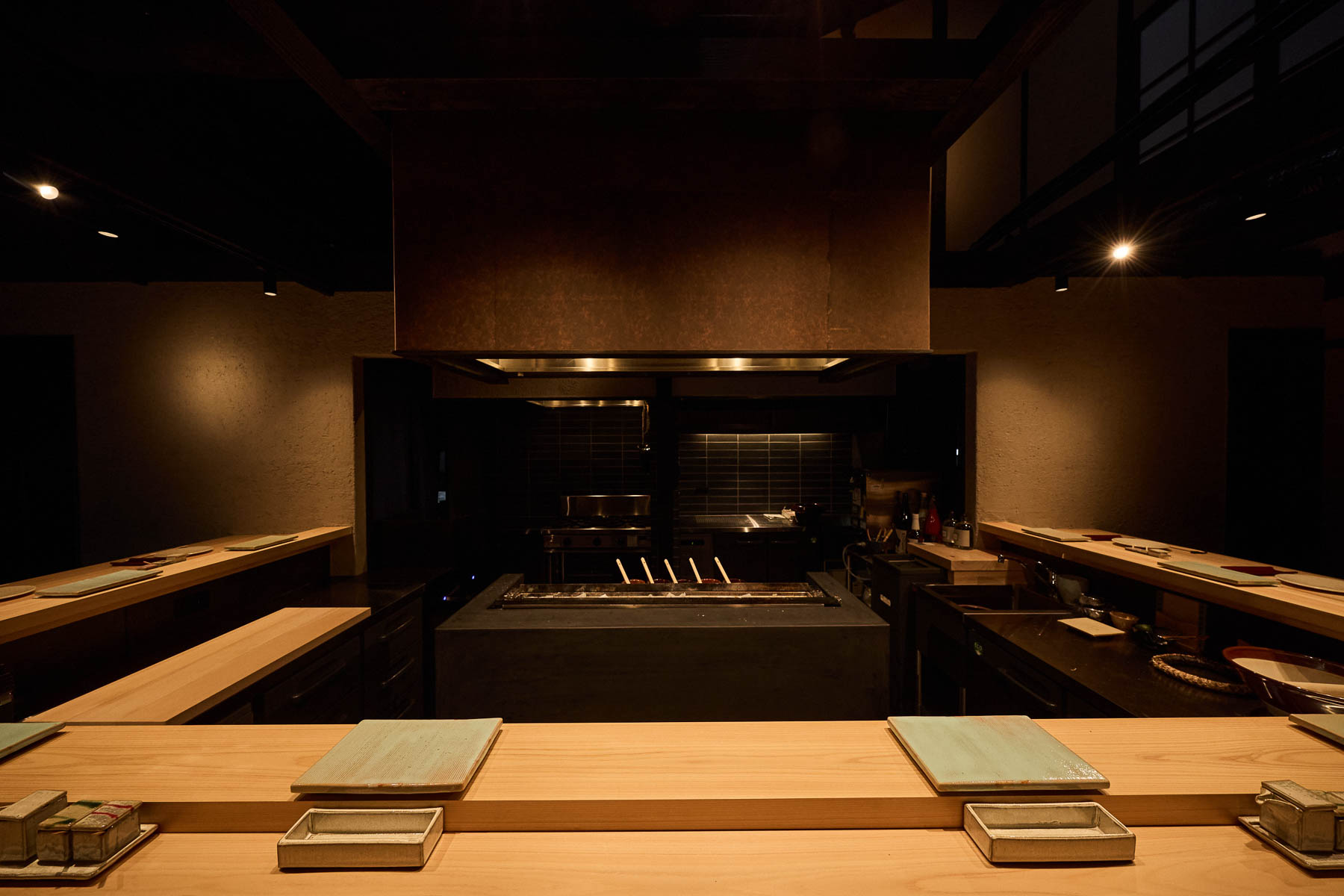
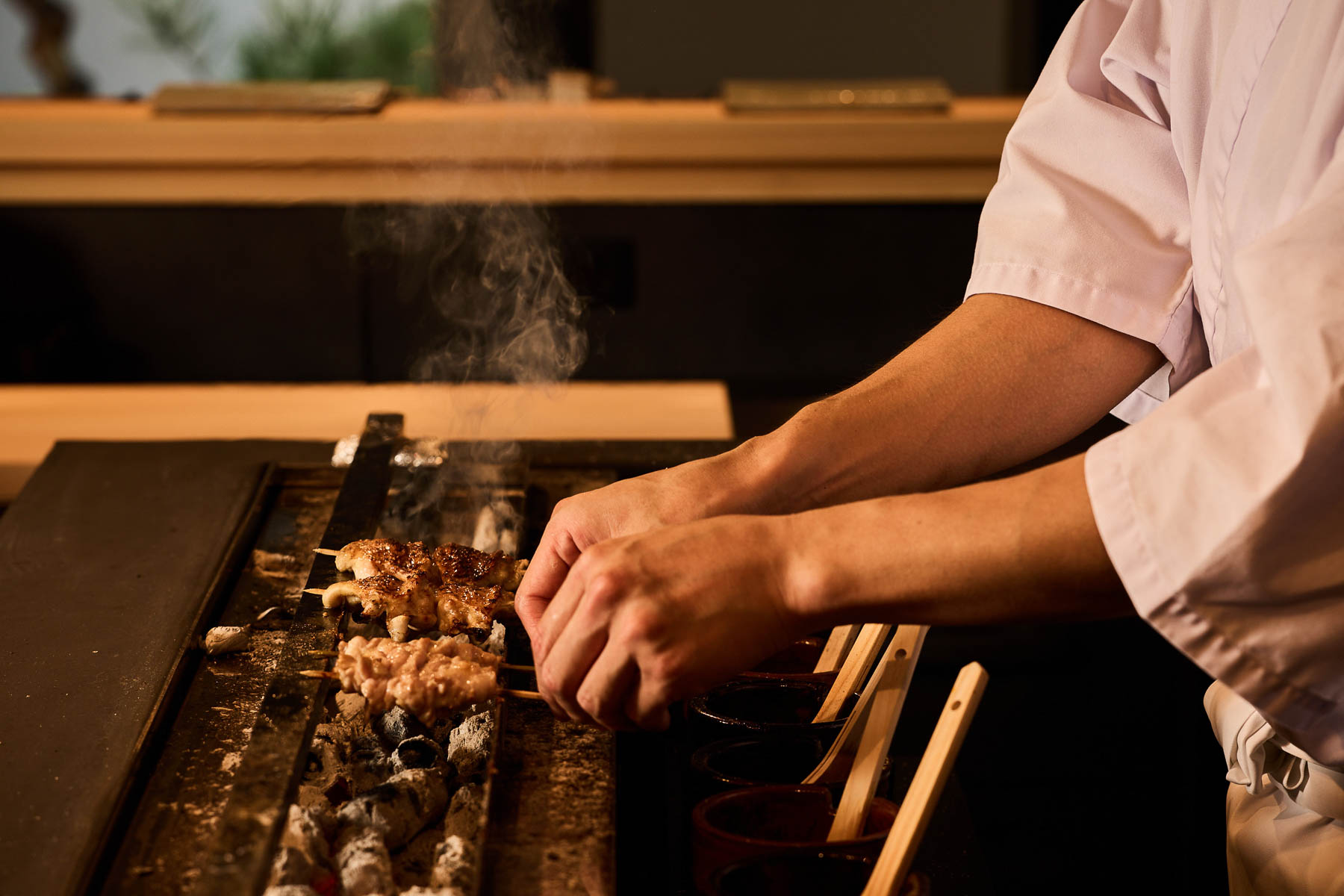
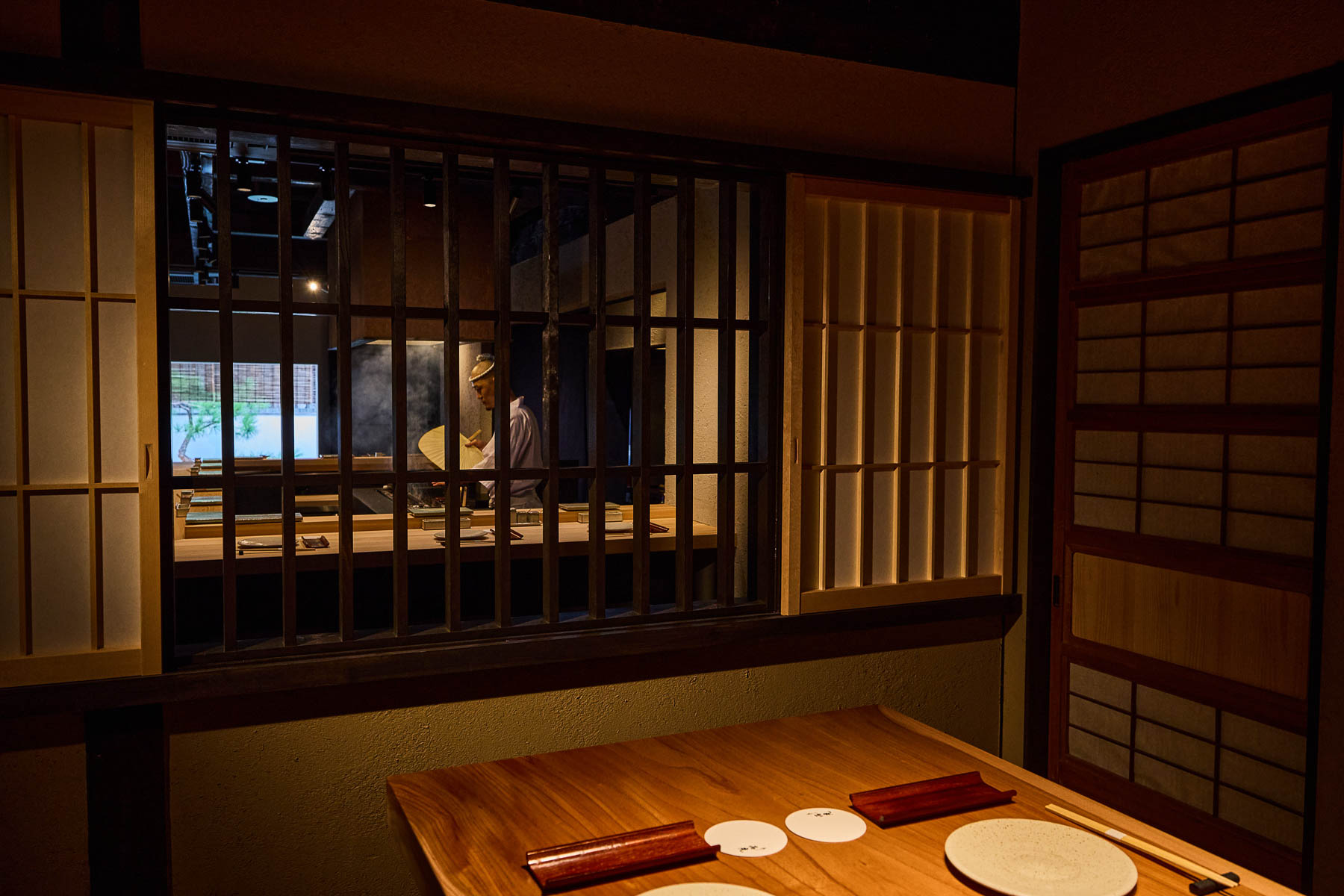
Inside, a light-colored cypress counter hugs around the central grill, allowing guests to follow the precise choreography of the Sakakibaraʼs movements. The chairs are simple and backless,
the tableware commissioned from a local pottery studio. Beyond the counter, a small garden of pine and gravel adds a natural calm to the space.
CUISINE
Refined Take on Torishiki’s Legacy
The yakitori here stays true to Torishikiʼs lineage while reflecting Sakakibaraʼs own sensibility. Pots of chicken fat, sake, soy sauce, sesame oil and salt water line the counter, each used to season the skewers at precise moments during the grilling. The omakase also reveals his training in Japanese cuisine, with elements of kaiseki woven into the menu.
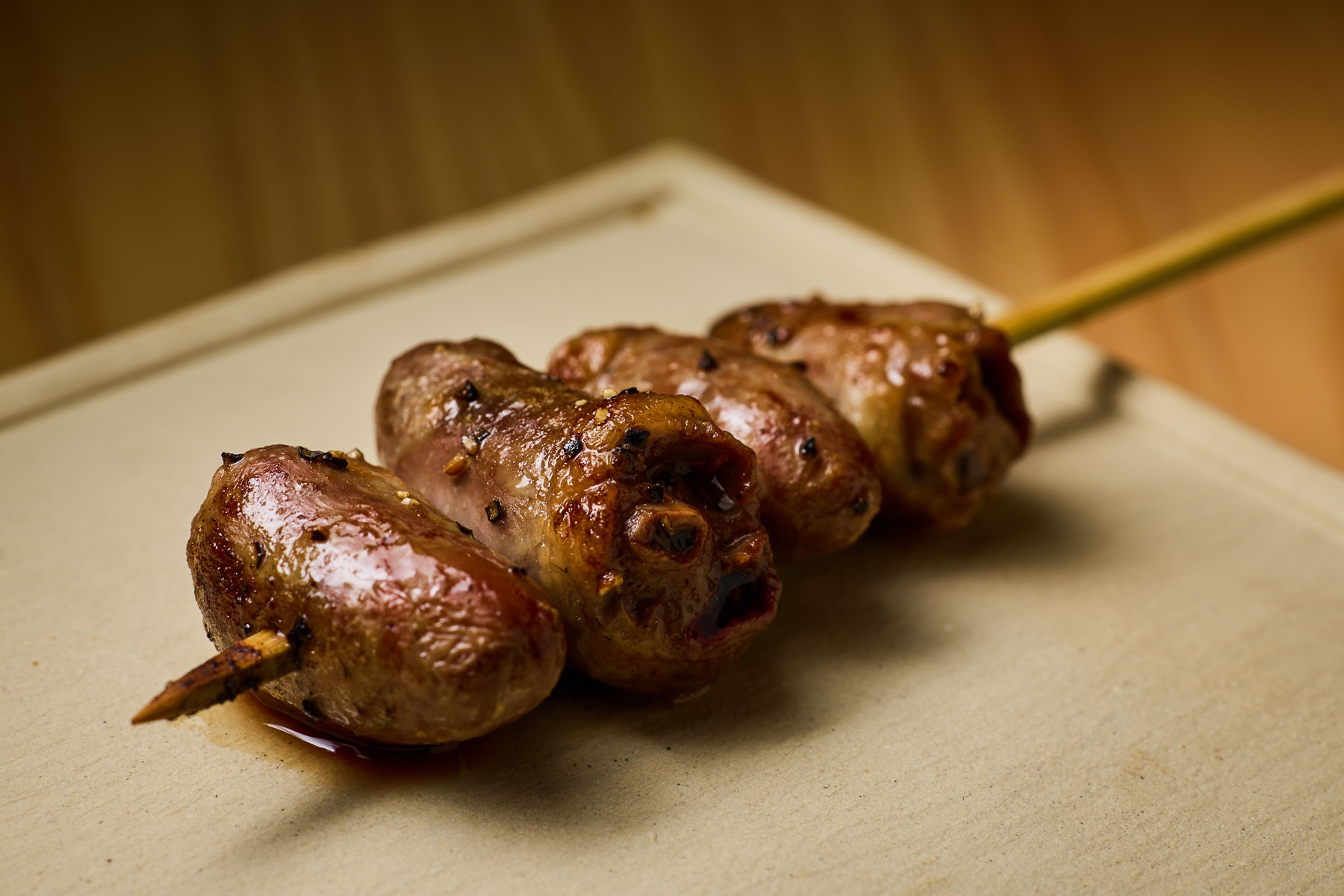
A delicate chawanmushi opens the meal to warm the palate, followed by a sequence of skewers that highlight the various cuts and flavors of the chicken. Seseri (neck meat) is simply
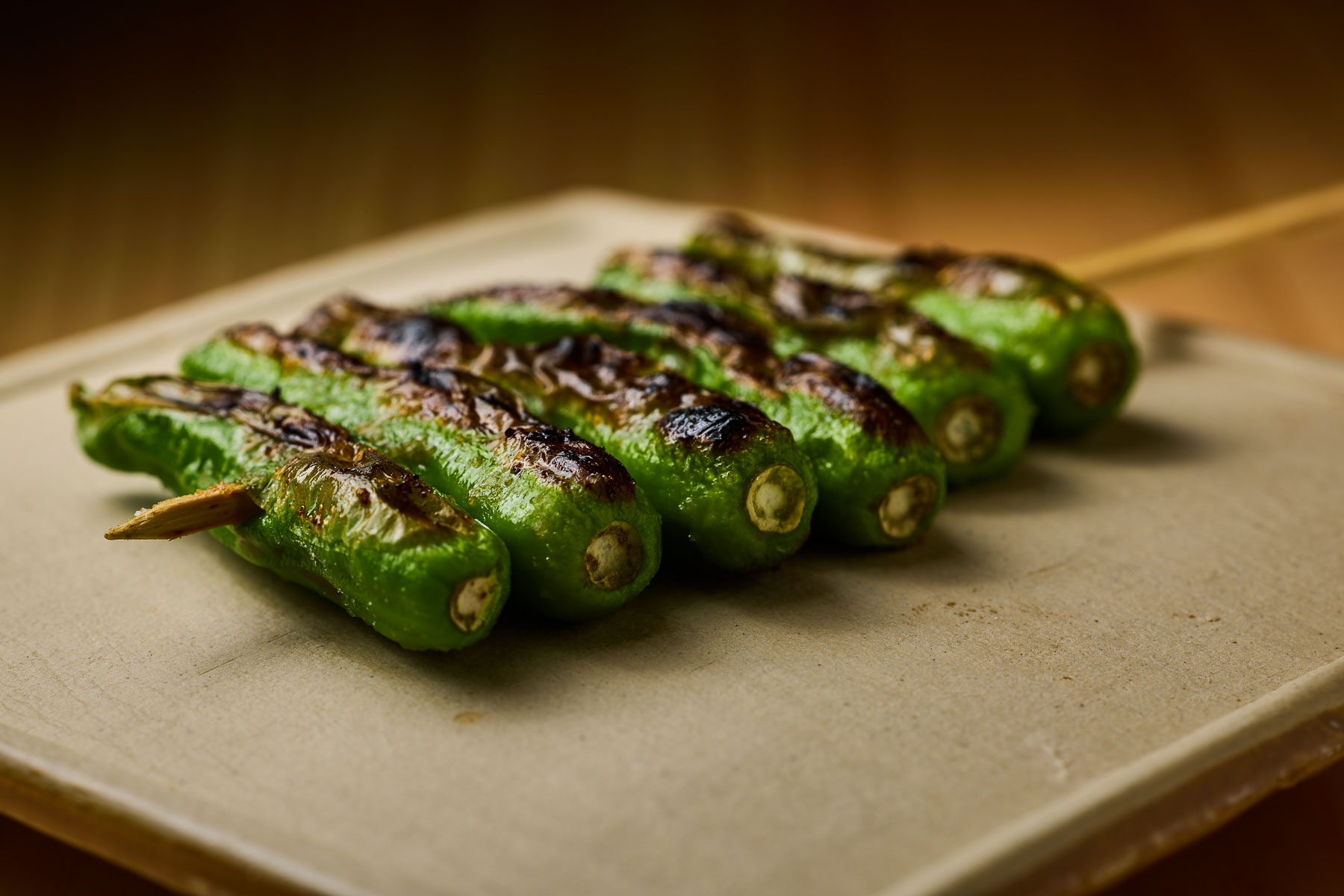
seasoned with salt and pepper to emphasize its natural richness. Shishito peppers follow, brushed lightly with chicken fat and salt.
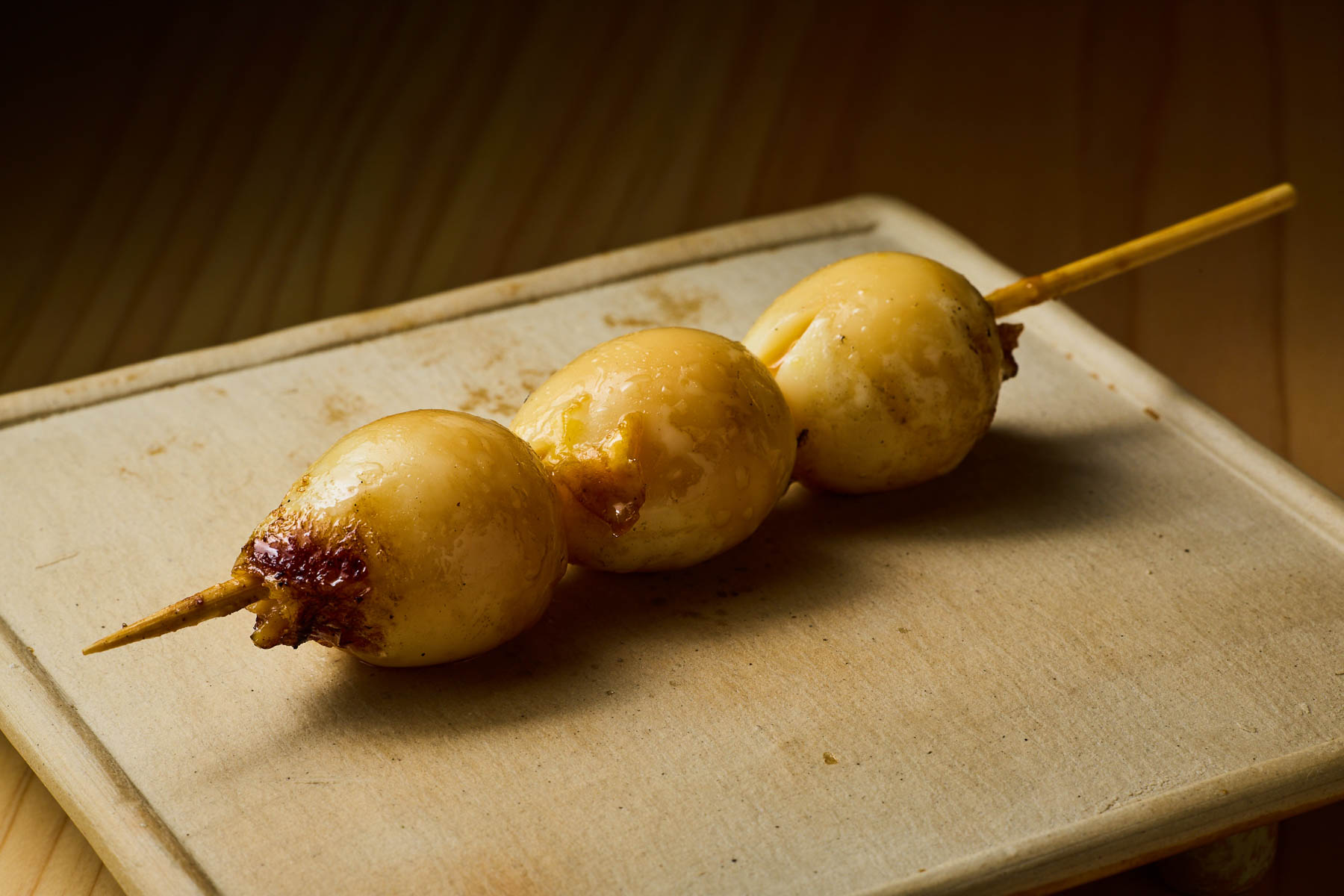
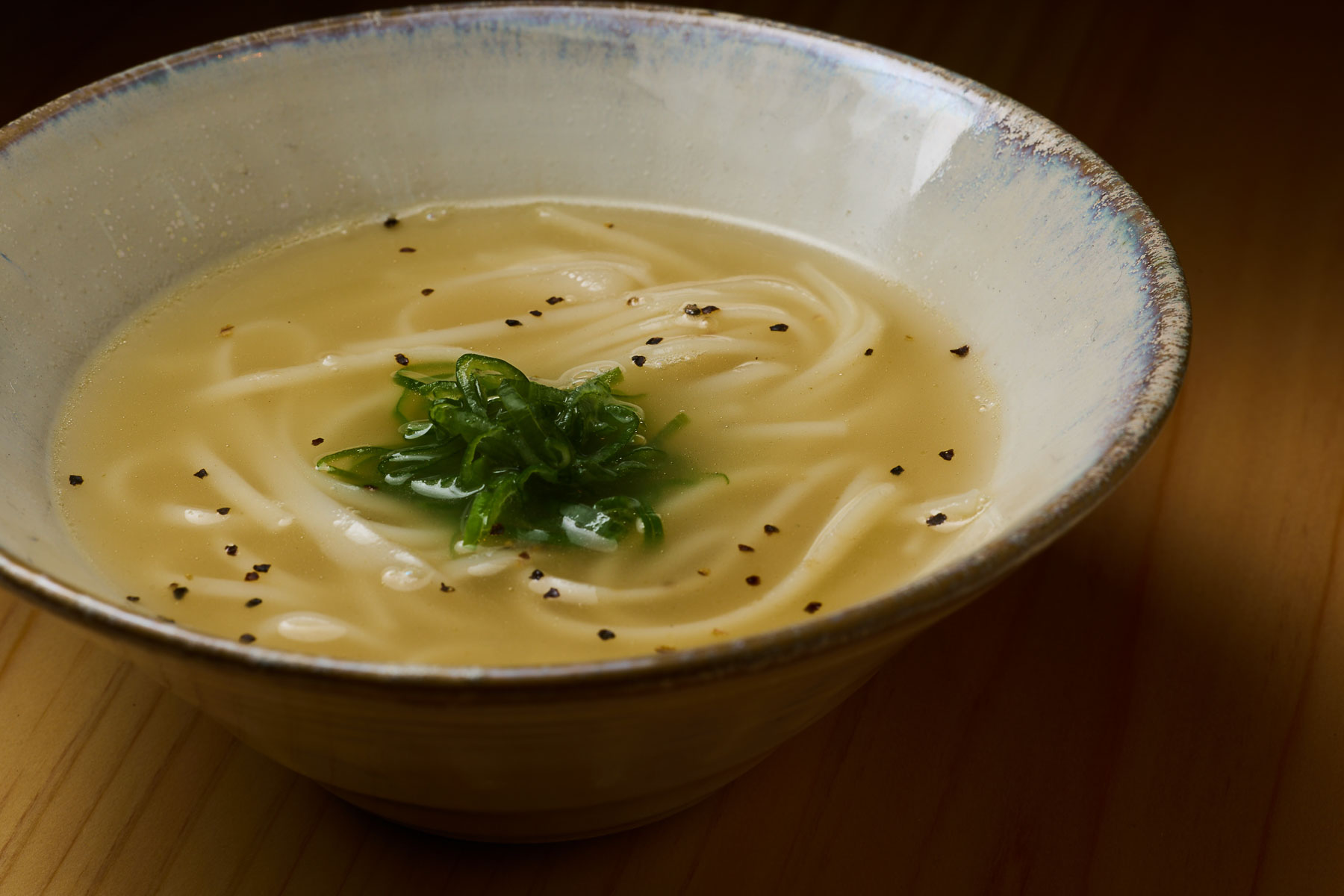
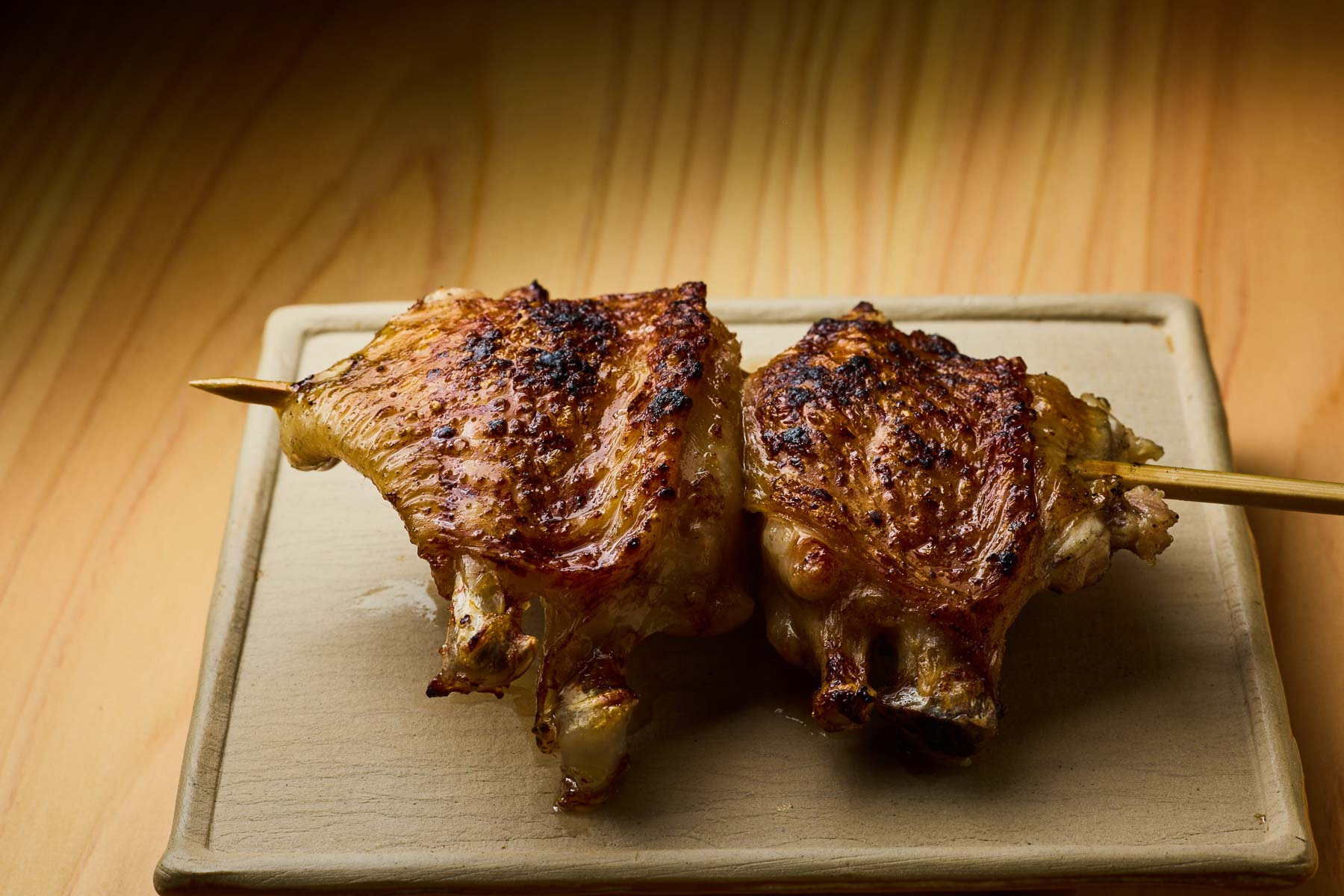
The tsukune is a chef signature, made from thighs and shanks of Date chicken. Using only a small measure of egg in the mixture, the meatballs are rich and bold in flavor. Quail, glazed repeatedly with sake and soy sauce, offers a subtle sweetness. Maruhatsu (hearts) bring a satisfying contrast in texture. Wings are butterflied and finished with a crisp edge. A small bowl of noodles provides a gentle pause between the grilled dishes.
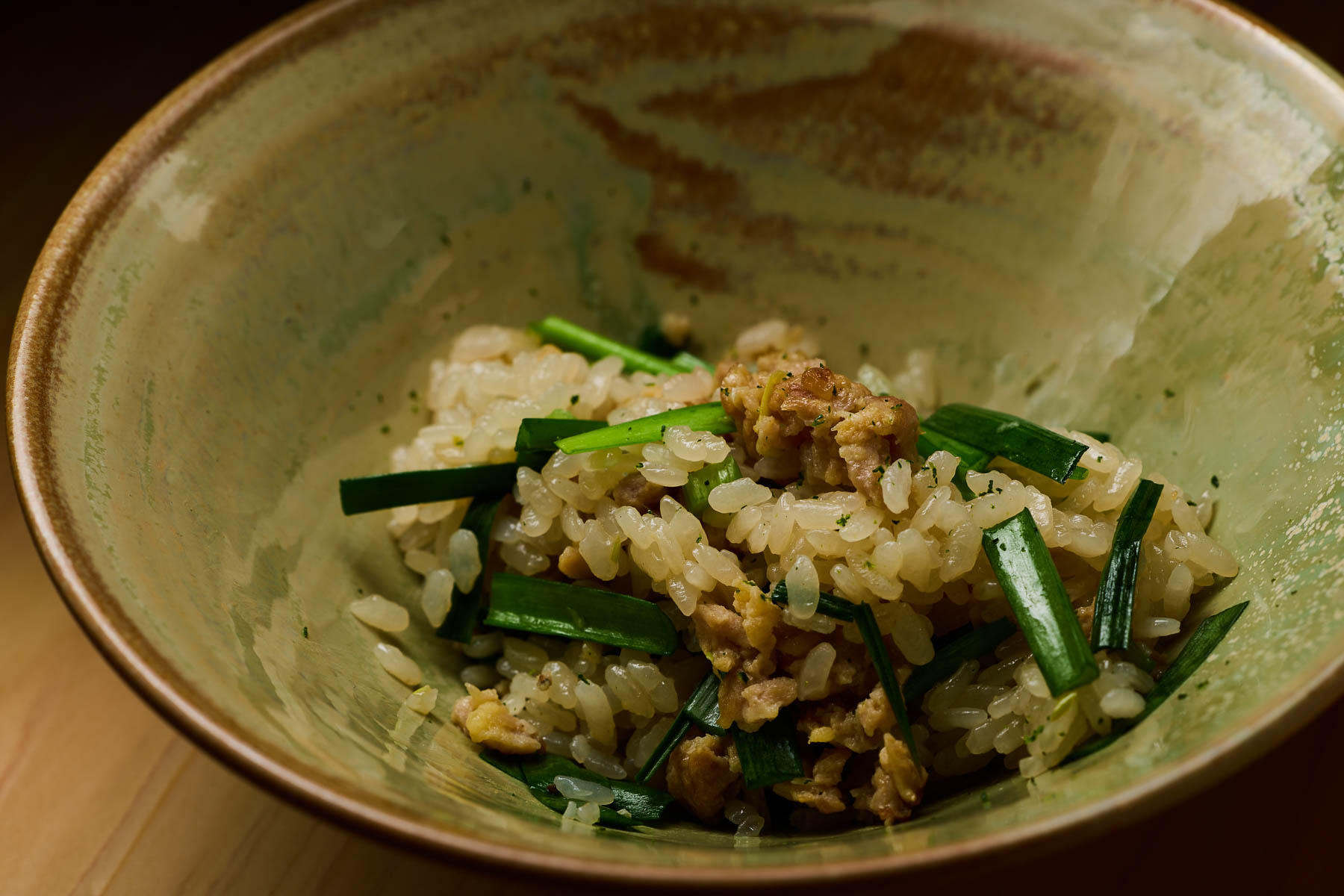
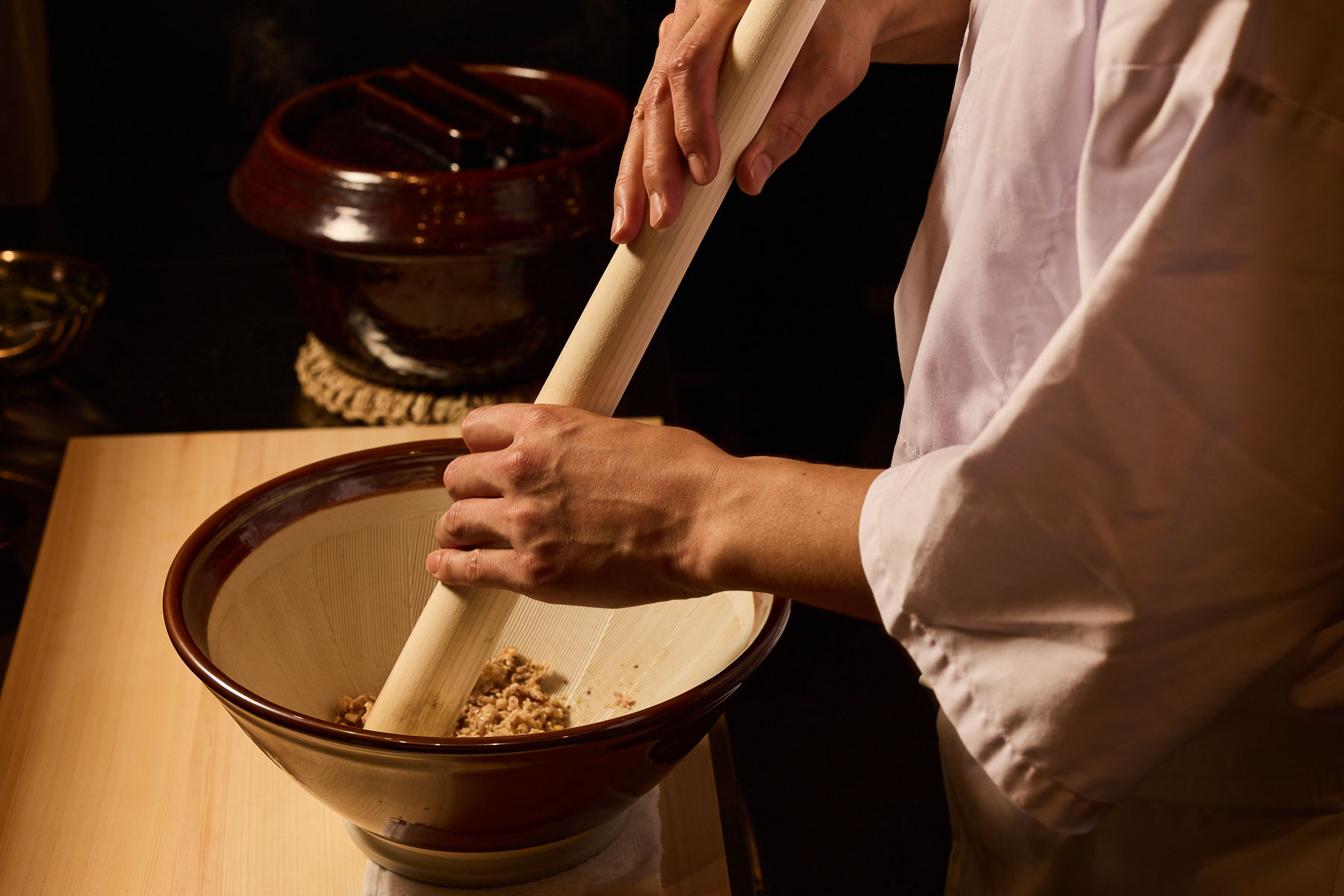
The minced meat rice offers a comforting bite. Grilled tsukune are removed from their skewers, pounded in a mortar and folded into freshly steamed rice and topped with grated
yuzu. A small serving of seasonal fruits ends the meal on a refreshing note.
INGREDIENTS
Like its parent restaurant, Torisaki Jikouʼs mainstay is Date chicken from Fukushima, chosen for its rich yet clean flavor. The chef sometimes adds skewers of young chickens from Kyoto for contrast and texture. The rice is Uonuma Koshihikari from Niigata Prefecture. The silky noodles are Handa somen from Tokushima. Most of the vegetables are sourced locally, selected according to the time of the year.
CHEF
Junya Sakakibara
The Historic House
The restaurant occupies a former dyeing house that retains the dignity of old Kyoto. Before its renovation, it served as a small film and manga museum run by an elderly couple who wished to preserve the buildingʼs aged character. Sakakibara took over with the same intent, keeping the original beams and roofline while introducing a modern counter space. The ceiling still carries the texture of time. Private rooms are also available for a more intimate setting. Guests can still enjoy the view of the main grill through slender latticework.
Course
- The price includes our booking fee of ¥8,000
- The price includes our booking fee of ¥8,000
Kyoto
Torisaki Jikou
鳥さき而光


- GENRE
- Yakitori, Kyoto
- ADDRESS
-
1F, 京都府京都市中京区壬生馬場町29-1

- OPEN
- 6:30PM
- CLOSED
- Sundays and every other Mondays
- URL
- NA
- PHONE
- NA


