

Tokyo
Sushi Akira Hanare
すし 良月 離れ
Relationships define the menu at Sushi Akira Hanare. Instead of passing through Tokyo’s fish markets, much of the seafood arrives directly from fishermen and specialist suppliers across Japan. The omakase is paired with various expressions from Aramasa, made possible through the restaurant’s close ties to the brewery. From charcoal-grilled Hokkaido botan-ebi to squid sourced from the coasts of Kanagawa, each Edomae-style course brings out the character of the ingredient.
Located on a quiet backstreet of Nishi-Azabu, Hanare was created as the annex of Sushi Akira for the group’s younger chefs to refine and express their craft. Supporting the project is Goryu Kubo, whose proprietor Go Kubo contributes an extraordinary collection of antique ceramics and longstanding relationships with leading sake makers.
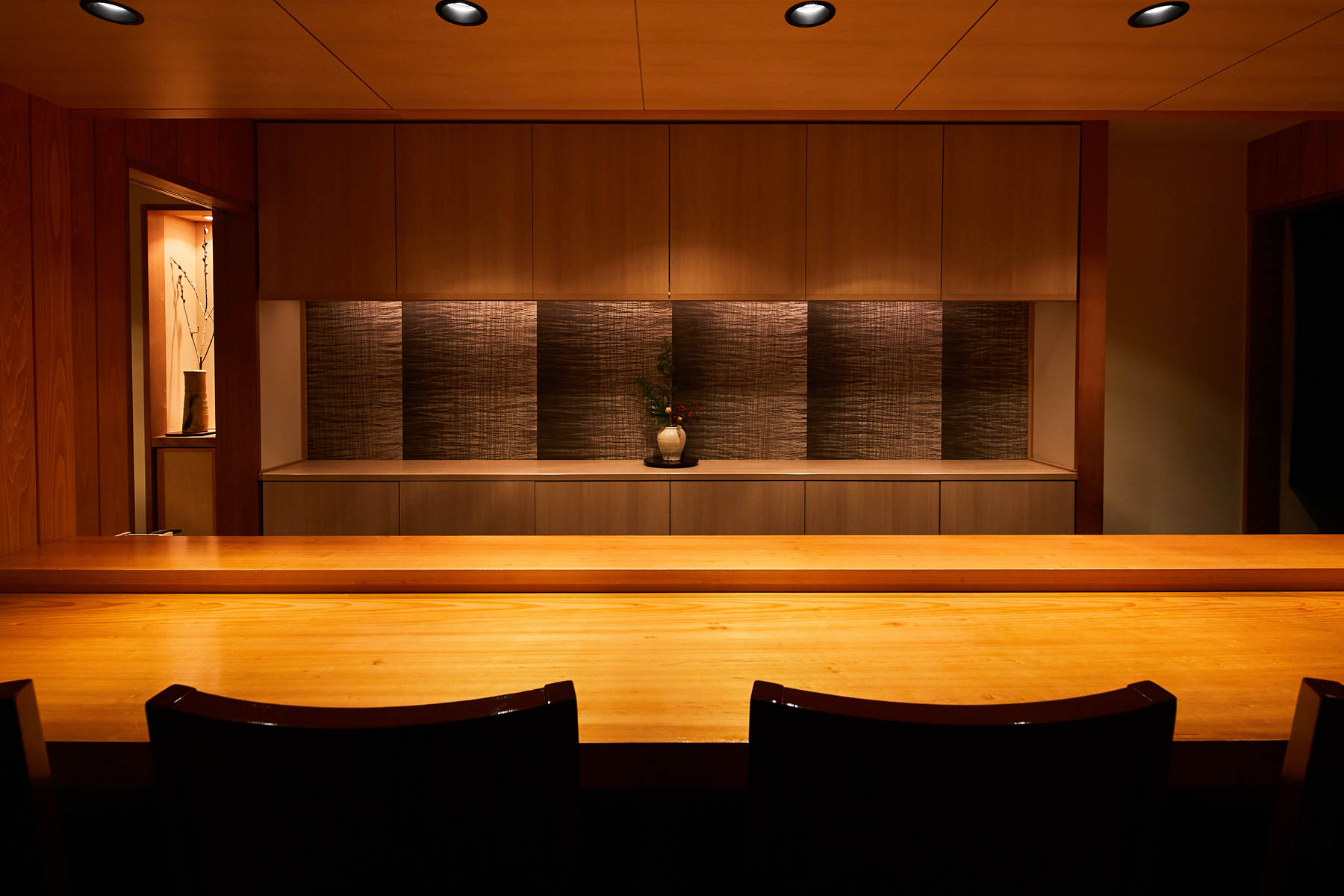
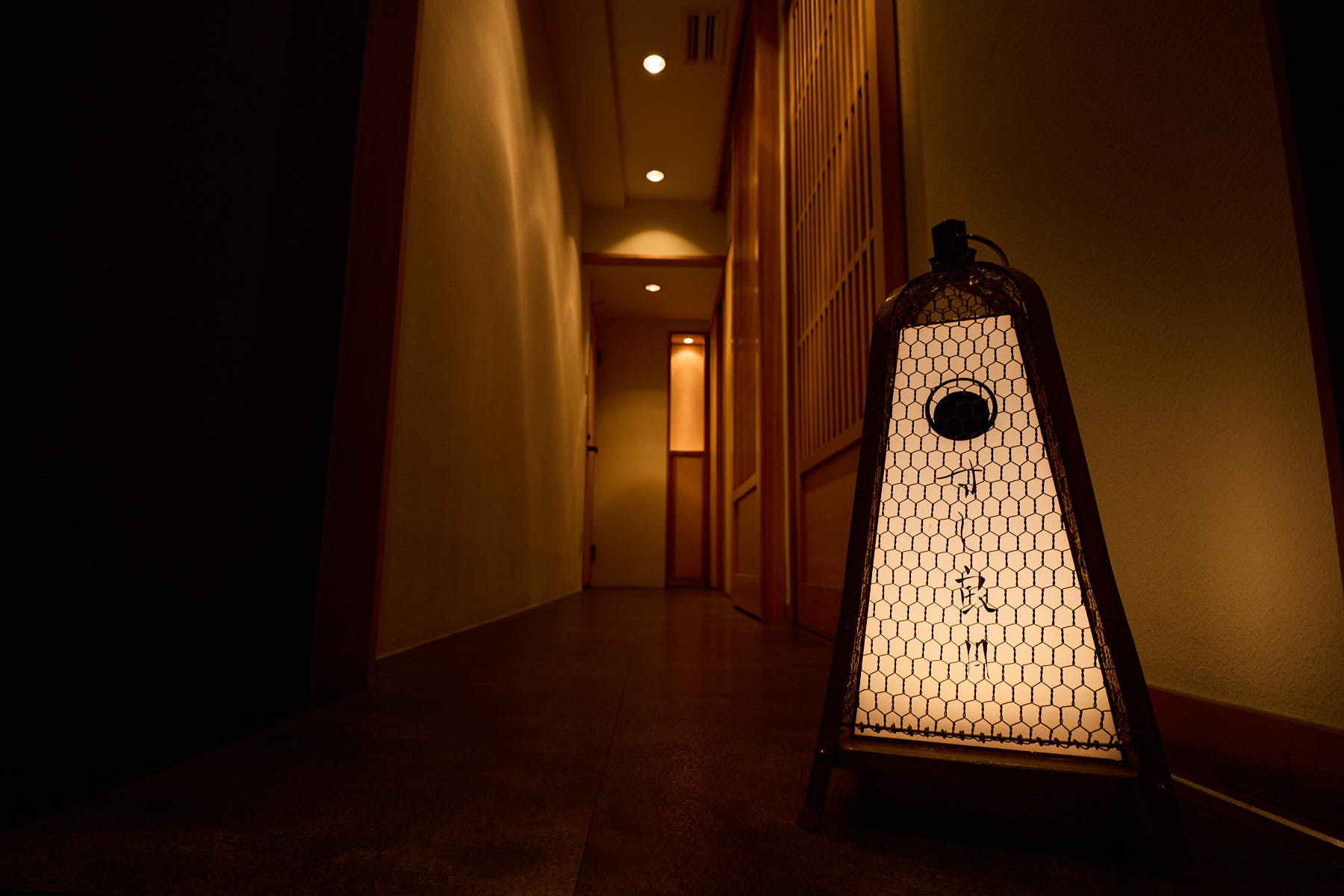
The restaurant occupies the original home of Goryu Kubo, a site familiar to many Tokyo gourmands. A short walk from the main intersection, a softly lit stone lantern marks the entrance. Guests descend a narrow staircase before arriving at an elegant interior. At its center stands a long counter, worn smooth through years of use.
The tableware at the restaurant reflects decades of collecting by Go Kubo, one of Tokyo’s most respected connoisseurs of ceramics. Nigiri is presented on sculptural Karatsu ware pedestals by Munehiko Maruta, while other courses arrive in vessels by Uichi Shimizu, the late Living National Treasure whose work is prized among serious collectors.
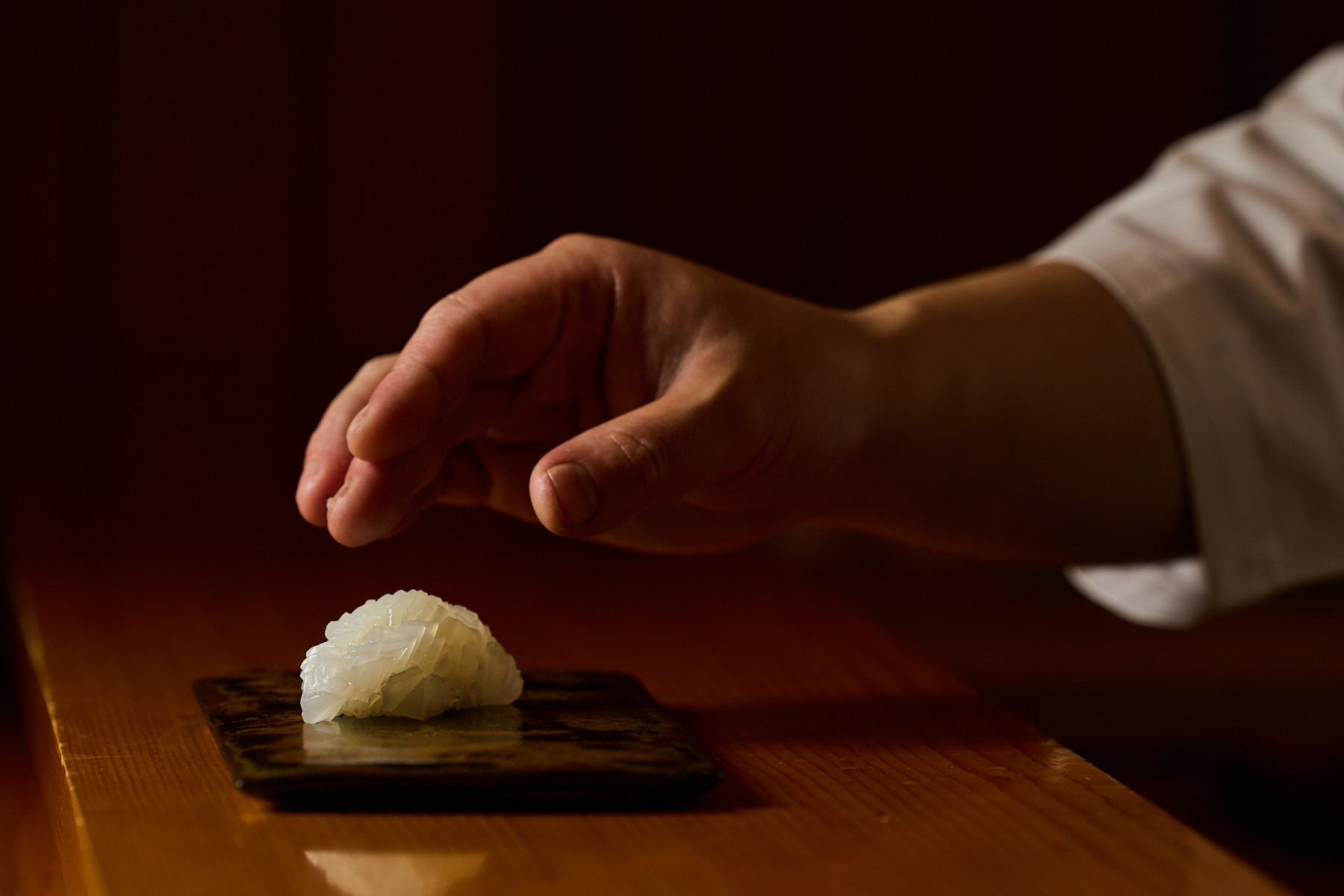
Leading the counter is Kaede Noma, a former apprentice at Ginza Kyubey and second chef at Sushi Akira. Young but composed, he works with the assurance of a chef shaped by disciplined training and years of repetition. Seated at the counter, guests witness the chef’s hands at work, each piece prepared directly before them.
CUISINE
Sushi Akira’s annex for refined Edomae sushi.
Few sushi counters in Tokyo can match the freshness of the seafood at Sushi Akira Hanare, where much of the fish is shipped directly from fishermen across Japan. The Edomae-style omakase begins with seasonal appetizers before the nigiri courses that progresses from delicate white fish and squid to richer cuts of tuna.
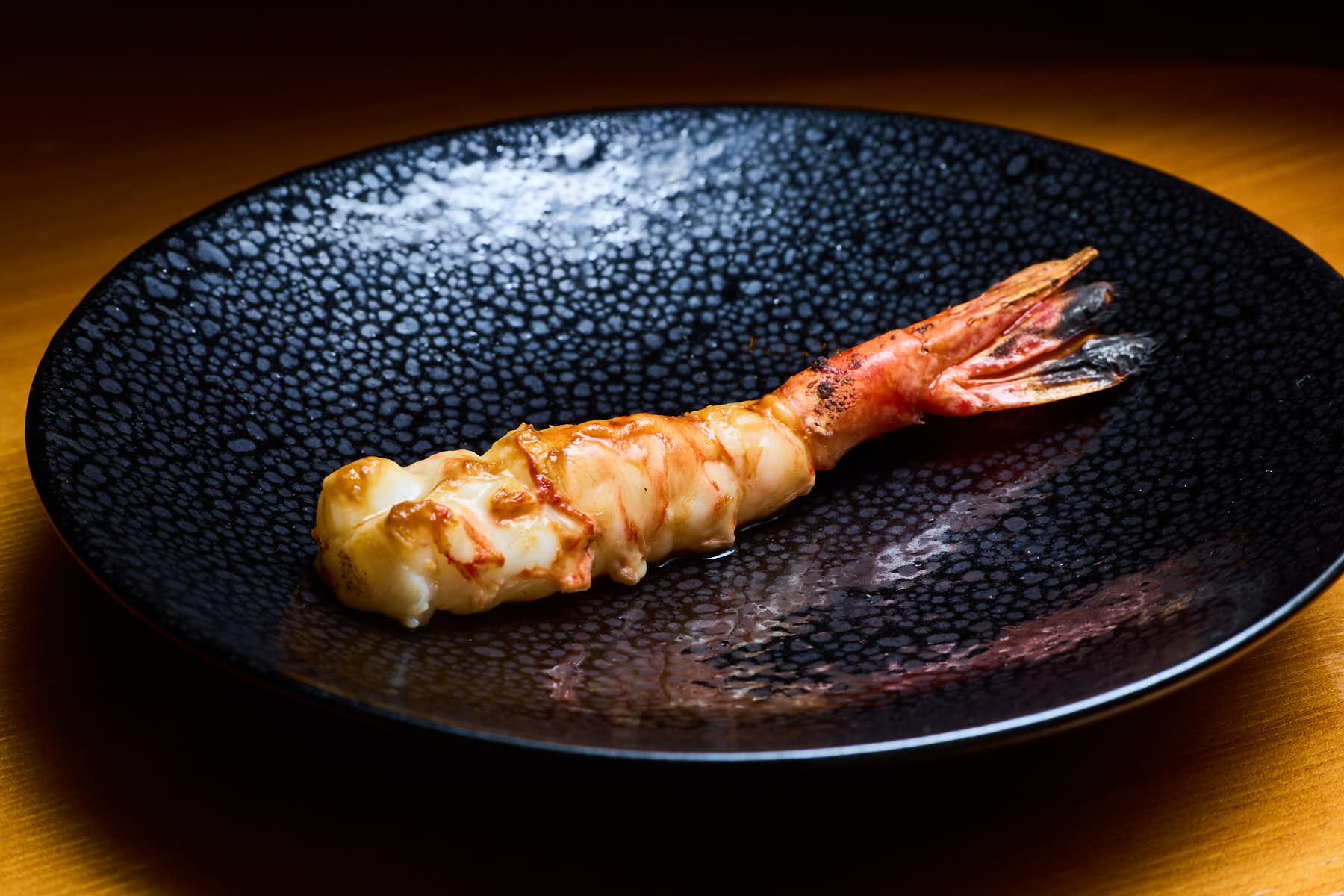
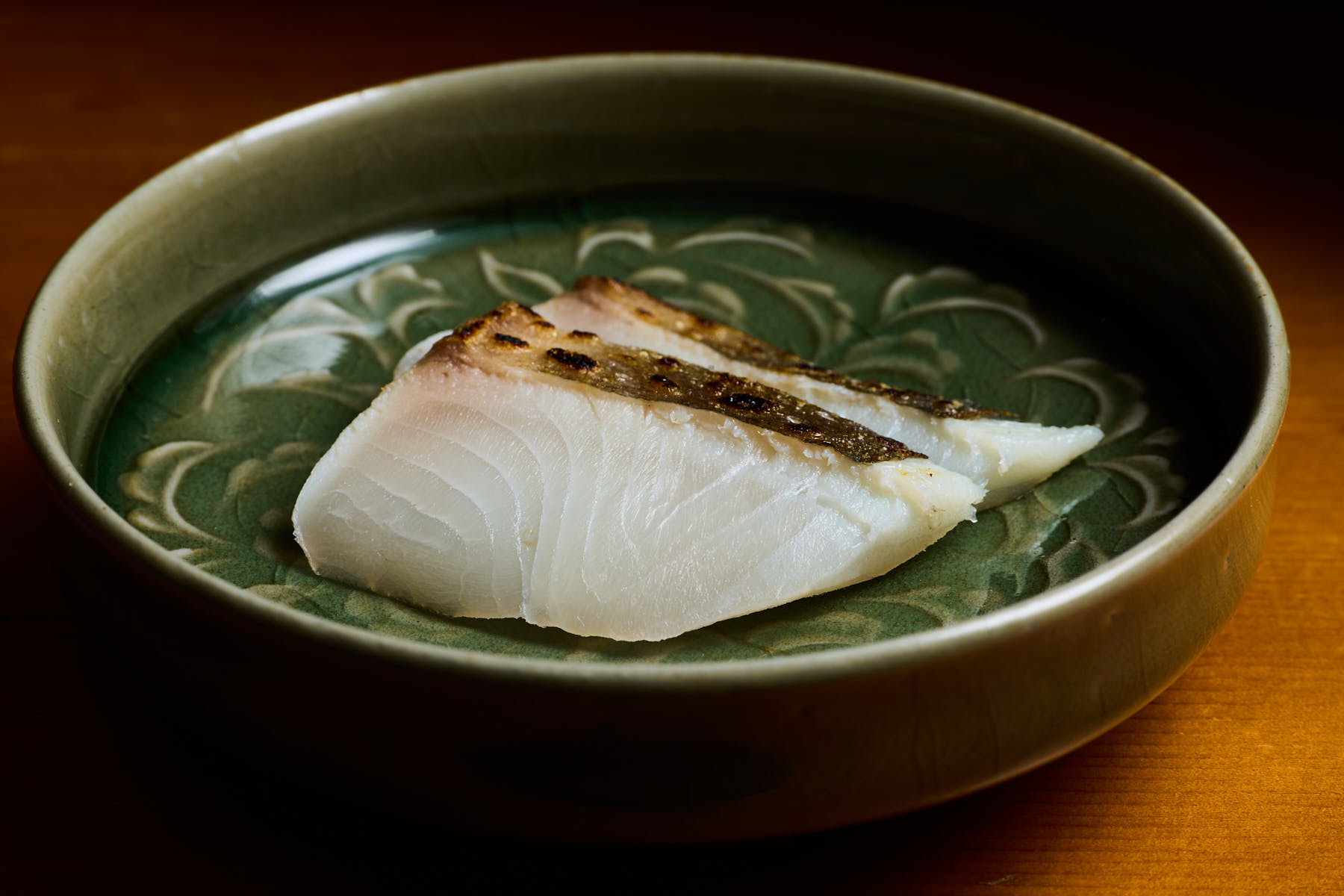
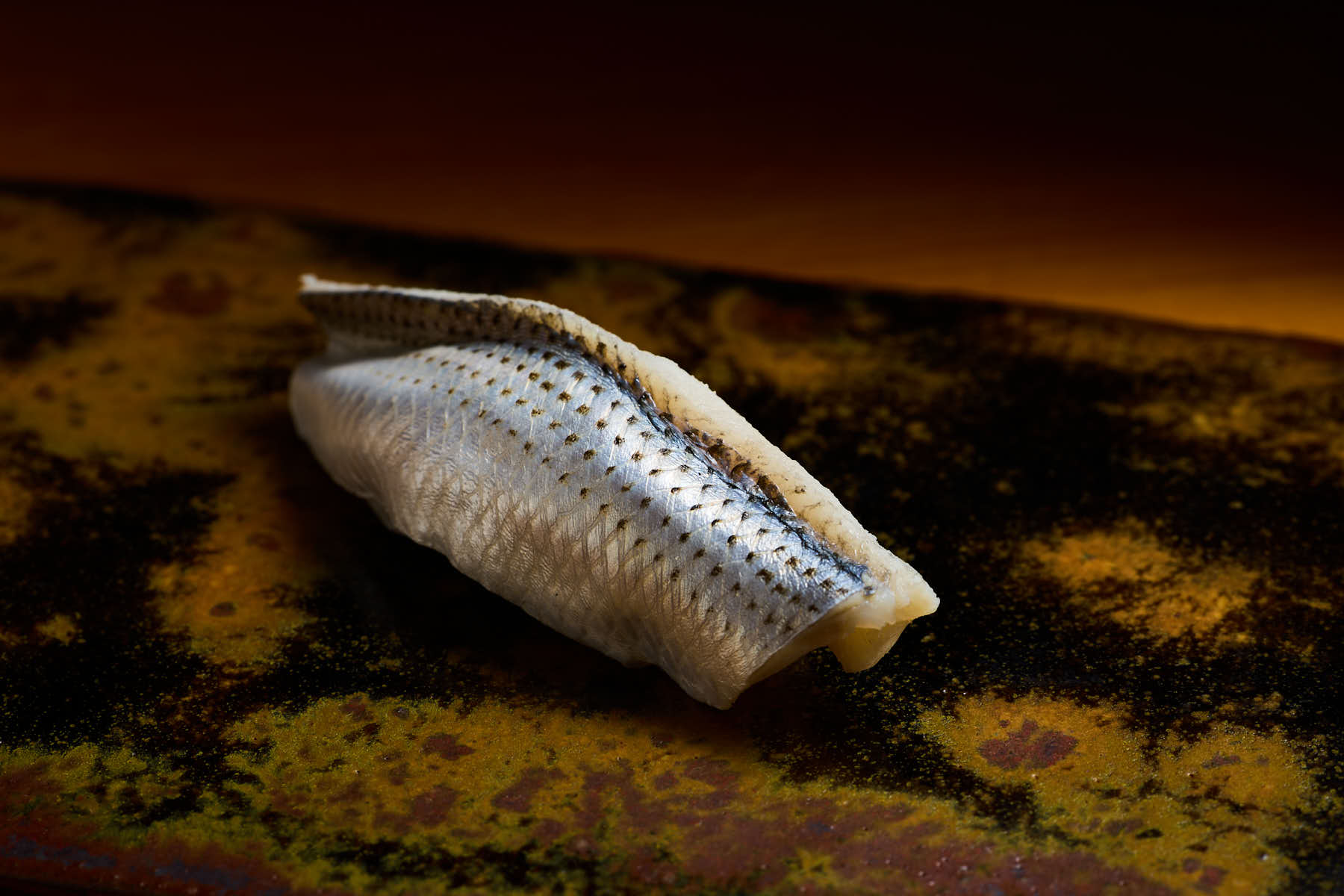
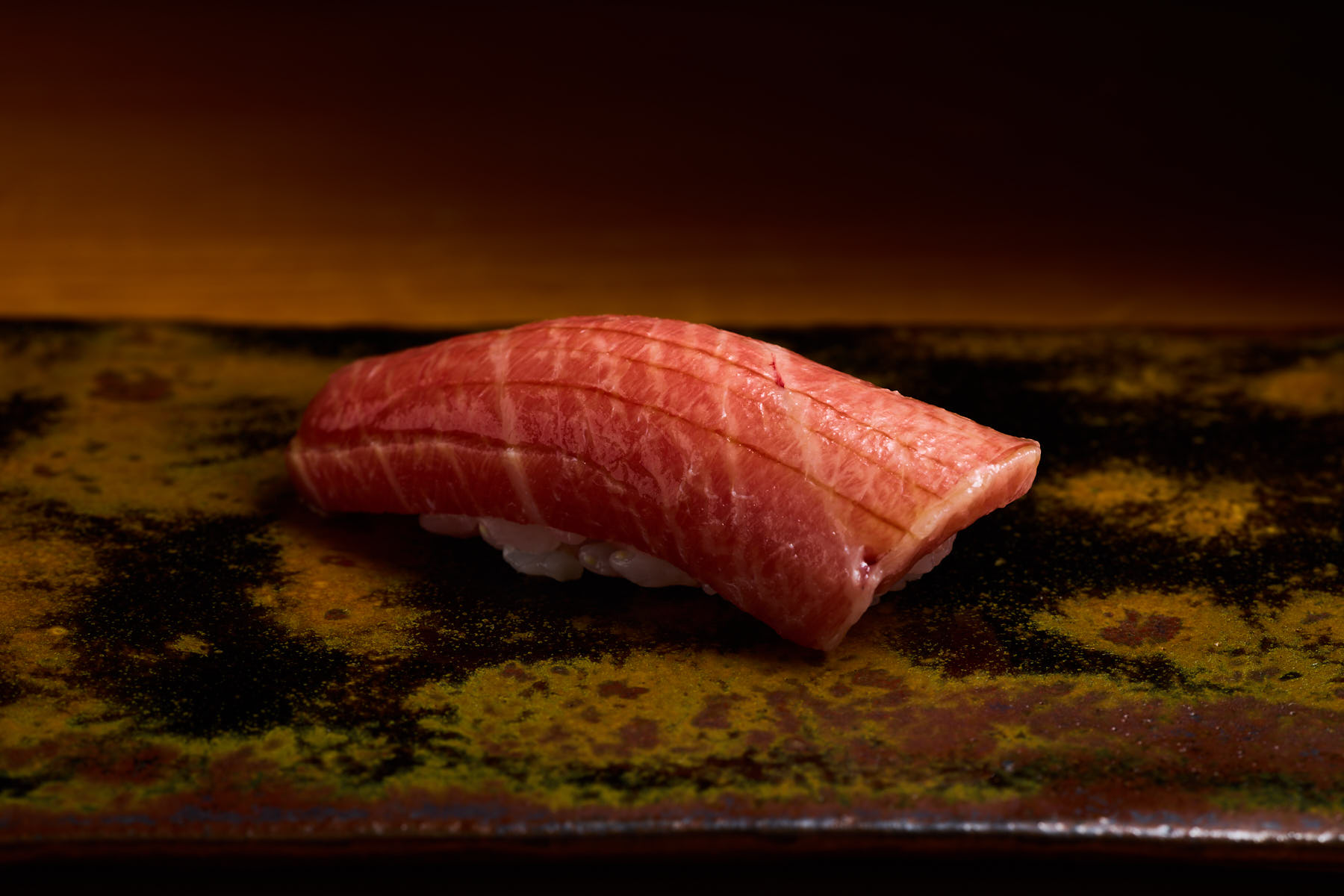
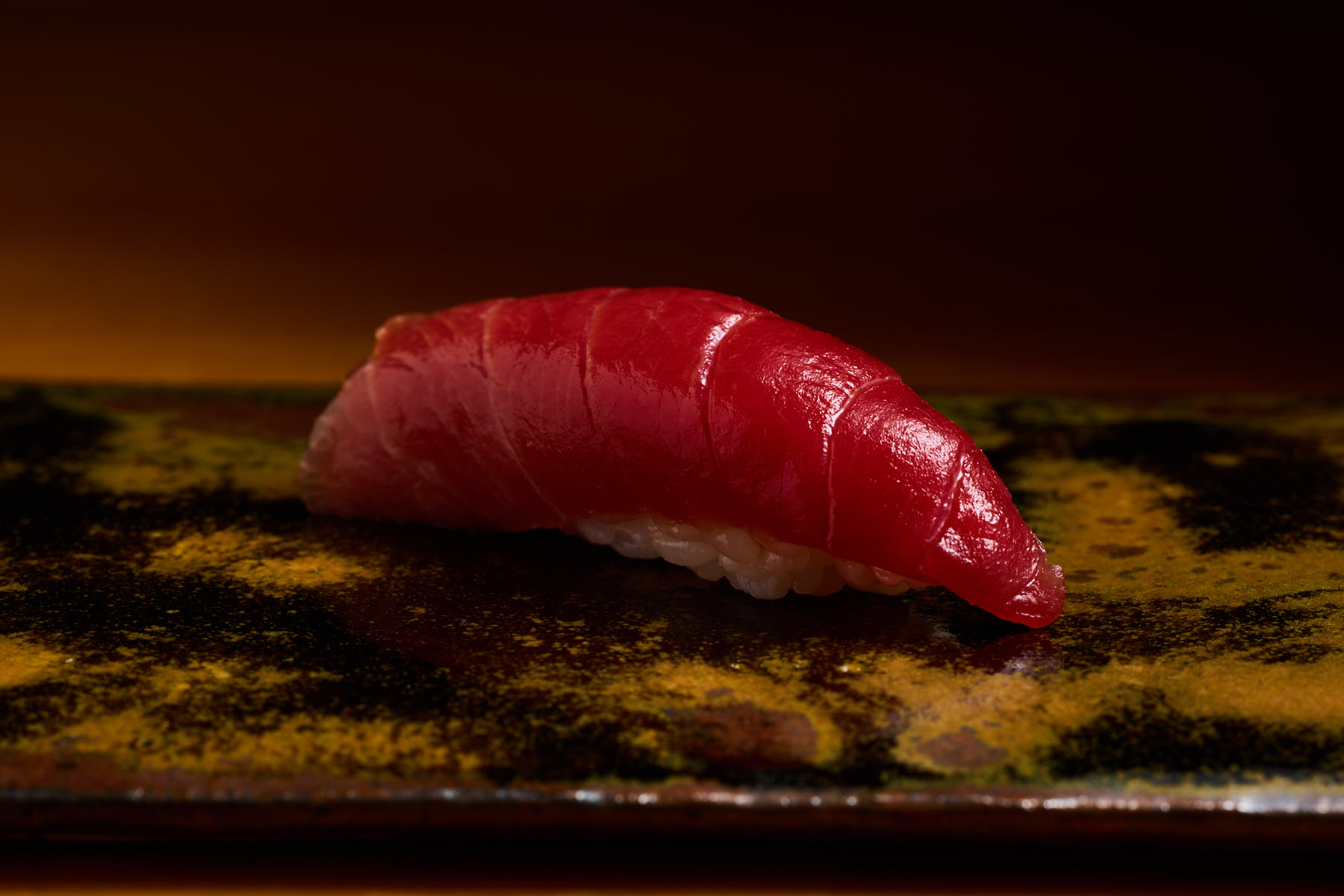
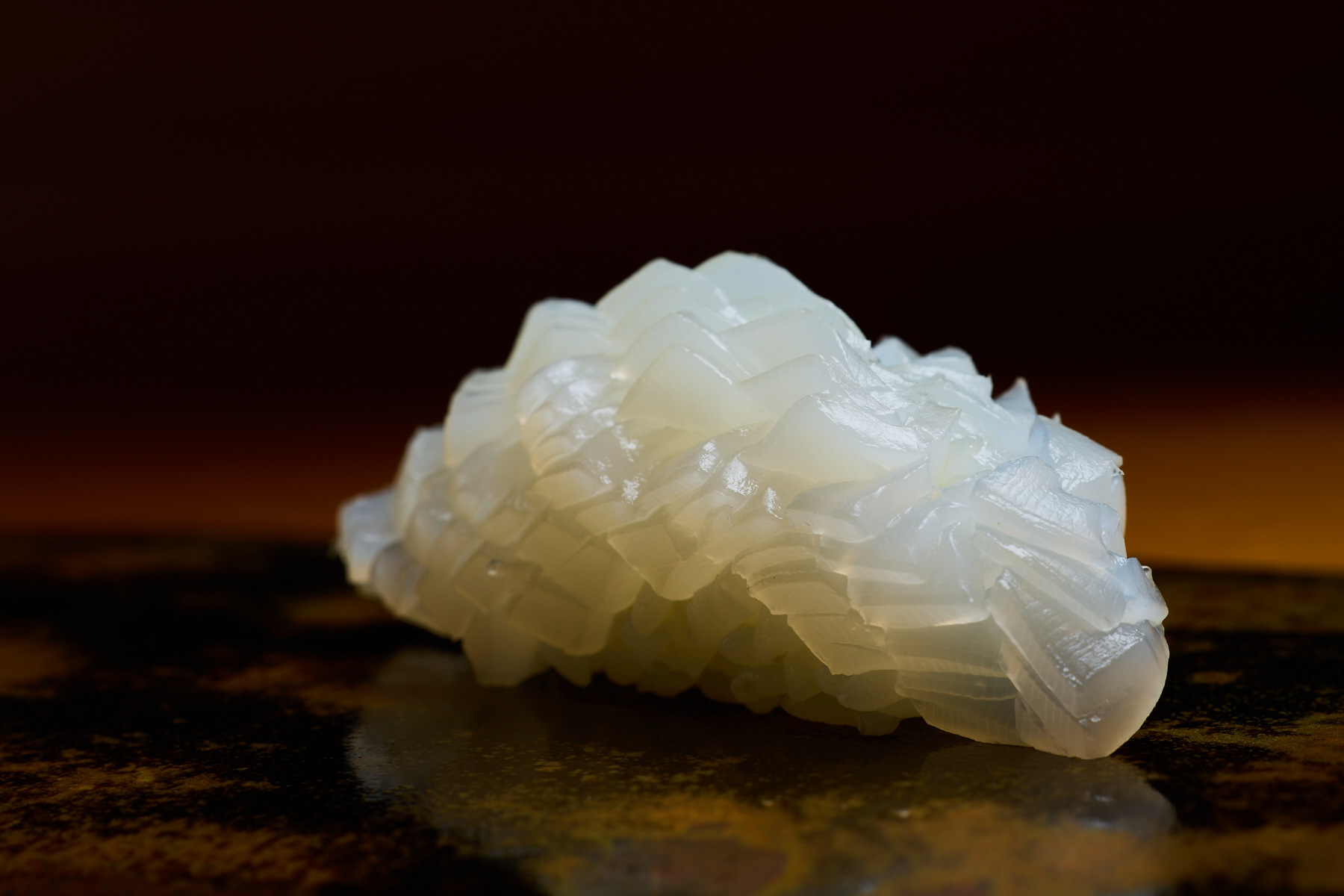
The charcoal-grilled botan-ebi from Hokkaido is a Sushi Akira signature. The prawns are brushed with soy sauce as they cook over the flames, releasing the aroma of smoke and caramelized sauce. Aori-ika, or bigfin reef squid, sourced from Kanagawa fisherman Daiki Hasegawa, is scored with meticulous knife work, then layered in a way that allows the squid and rice to dissolve together in your mouth. Managatsuo, or silver pomfret, is served simply with the skin lightly seared. The kohada, sourced from Hondaya in Amakusa, is cured in saltwater to preserve a supple texture and gentle salinity. Both the otoro and akami arrive directly from Sado Island.
Under Noma’s direction, the rice at the annex takes on its own style. Unlike the flagship counter, which incorporates red vinegar, the rice here is seasoned solely with white vinegar, giving the shari a cleaner profile. Cooked in a traditional Nambu iron pot, the grains emerge slightly firmer and more defined. The shaping is deliberately light, allowing the character of each ingredient to come forward naturally.
INGREDIENTS
At Sushi Akira Hanare, much of the seafood is shipped directly to the restaurant from ports across Japan, thanks to the network of fishermen and specialist fishmongers cultivated over many years by Kazunori Maeiwa, the owner chef of Sushi Akira. These trusted relationships allow the restaurant to bypass Toyosu Market entirely, securing fish at a level of freshness and condition that is difficult to achieve through conventional channels.
Among the fishermen the restaurant works closely with are Junichi Fujimoto in Ehime and Daiki Hasegawa in Kanagawa, alongside suppliers such as Namikiya at Odawara Fishing Port, Hondaya in Kumamoto and Maruyoshi Fish Store in Niigata. The tuna arrives from Sado Island through Maruyoshi Fish Store and is selected according to precise specifications. The rice is Hokkaido-grown Nanatsuboshi, chosen for its sweetness, texture and clarity.
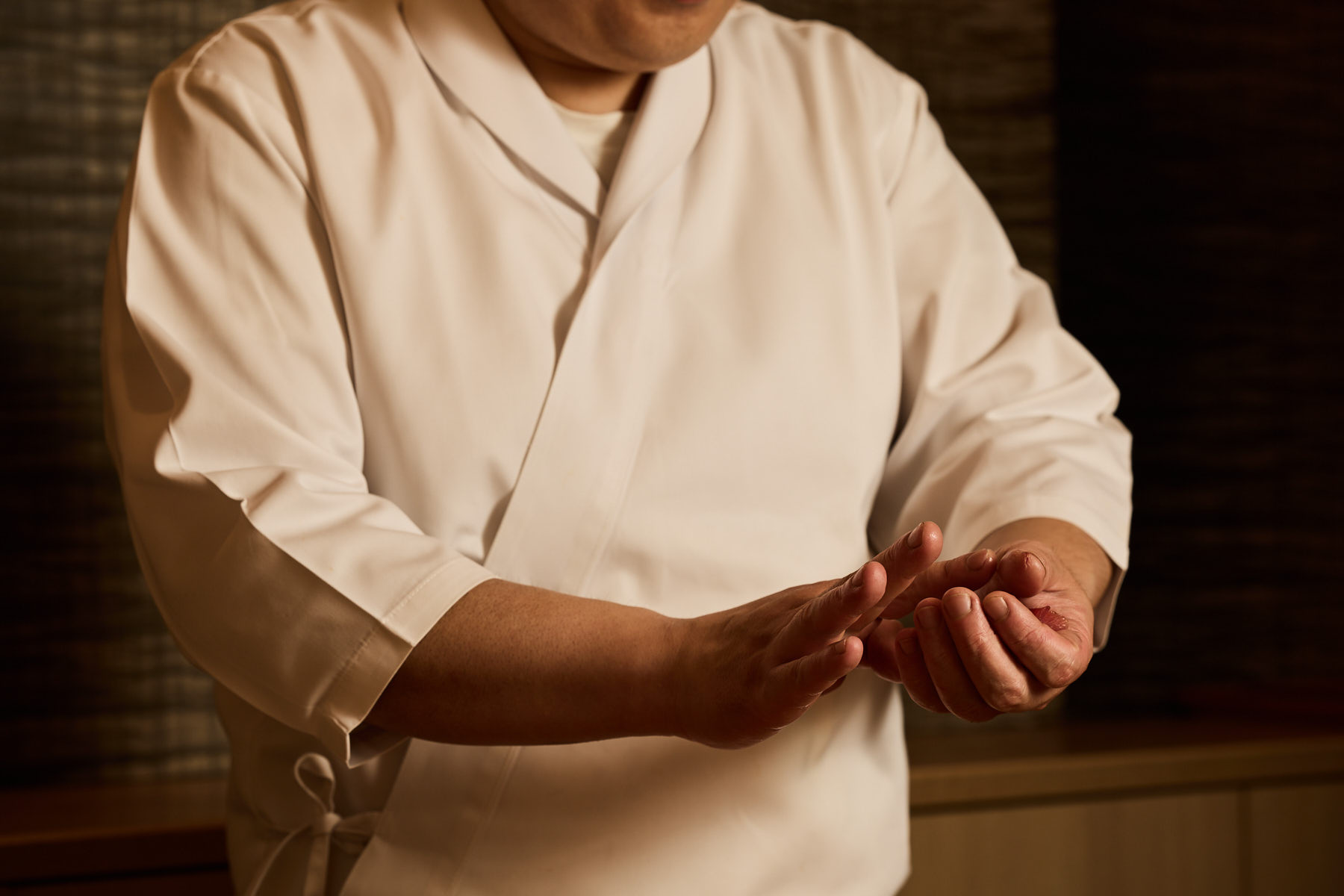
CHEF
Kaede Noma
Aramasa
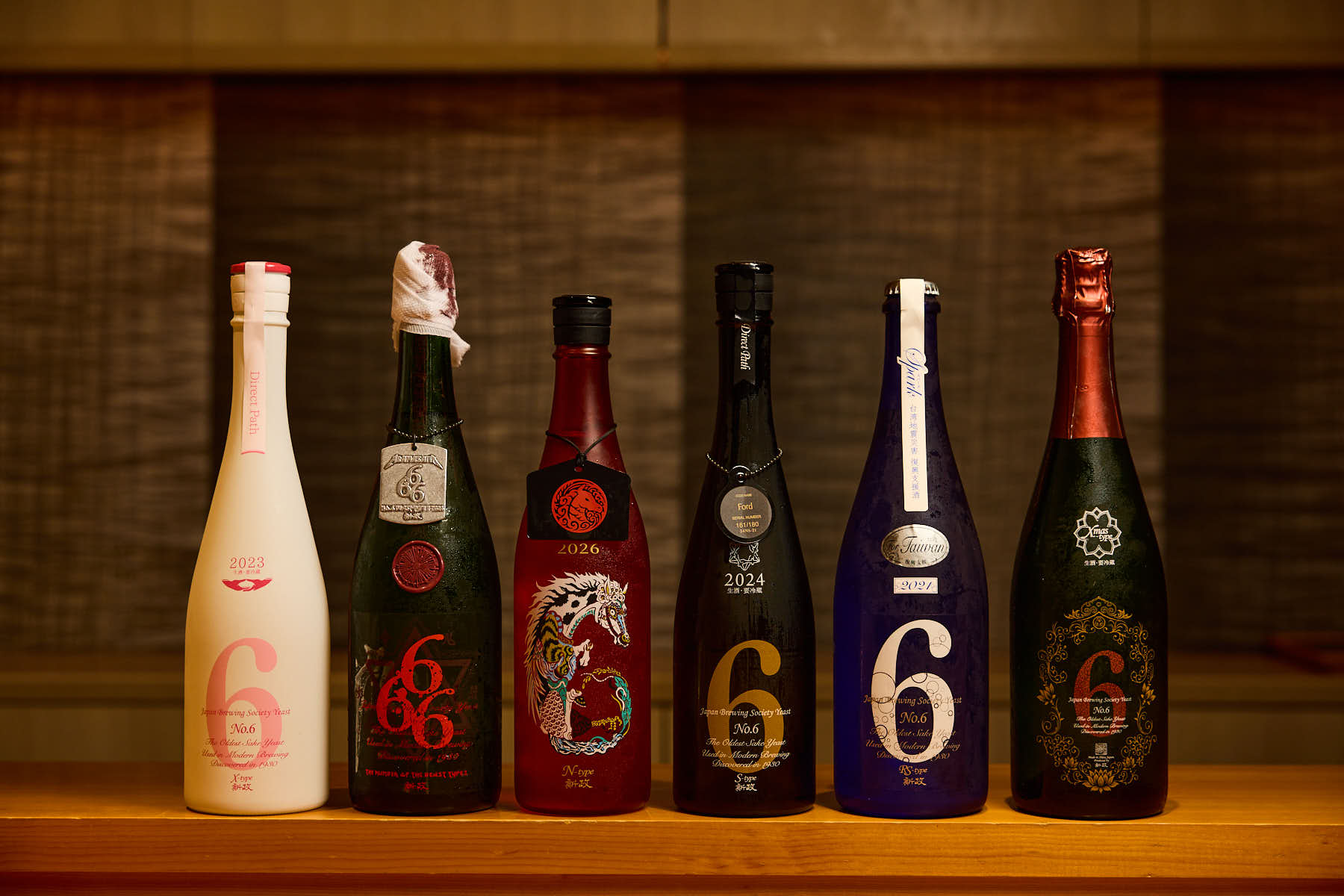
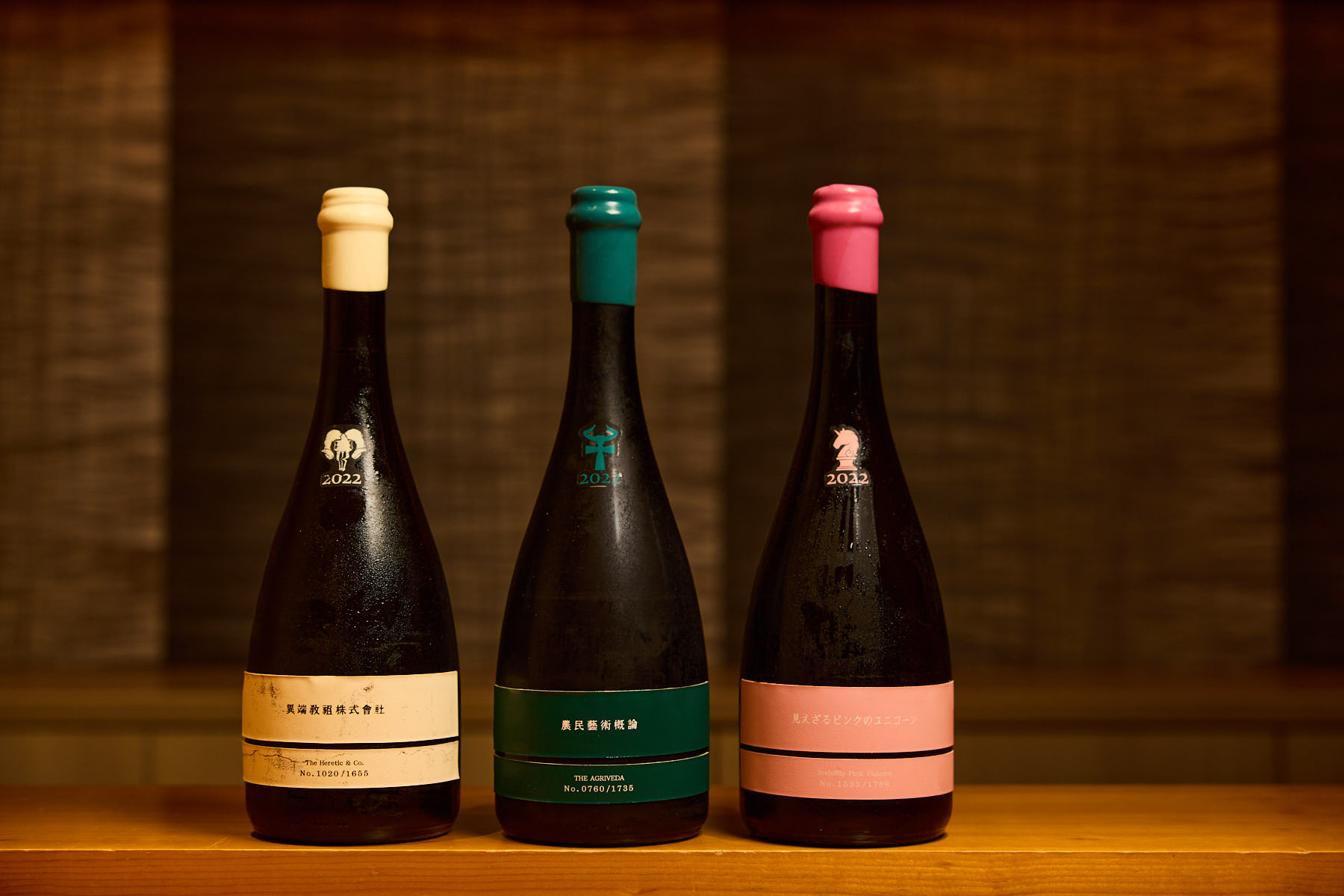
Few sake producers have grown to command the kind of following that surrounds Aramasa, the Akita brewery whose releases are sought after by collectors and sommeliers across Japan and abroad. At Sushi Akira Hanare, guests can enjoy a rare variety of multiple Aramasa expressions, thanks to their partner Go Kubo, who keeps a longstanding connection with the maker.
The restaurant’s cellar is maintained with the precision of a specialist sake retailer, with namazake stored at minus five degrees Celsius and pasteurized bottles held at zero degrees in carefully controlled conditions. Guests are invited to explore a rotating selection of roughly fifteen varieties of Aramasa alongside a smaller collection of other premium sake. Particular attention is given to the brewery’s coveted Astral Plateau series, regarded as one of Aramasa’s top expressions. The restaurant also offers multiple vintages from the signature No.6 line.
Course
- The price includes our booking fee of ¥8,000
- The price includes our booking fee of ¥8,000
Tokyo
Sushi Akira Hanare
すし 良月 離れ


- GENRE
- Sushi, Nishiazabu
- ADDRESS
-
B1F Misawa Building, 2-15-1 Nishiazabu, Minato-ku, Tokyo 106-0031, Japan

- OPEN
- 6PM
- CLOSED
- Irregular
- URL
- NA
- PHONE
- NA


