

Tokyo
Yamamoto Ya
山本屋
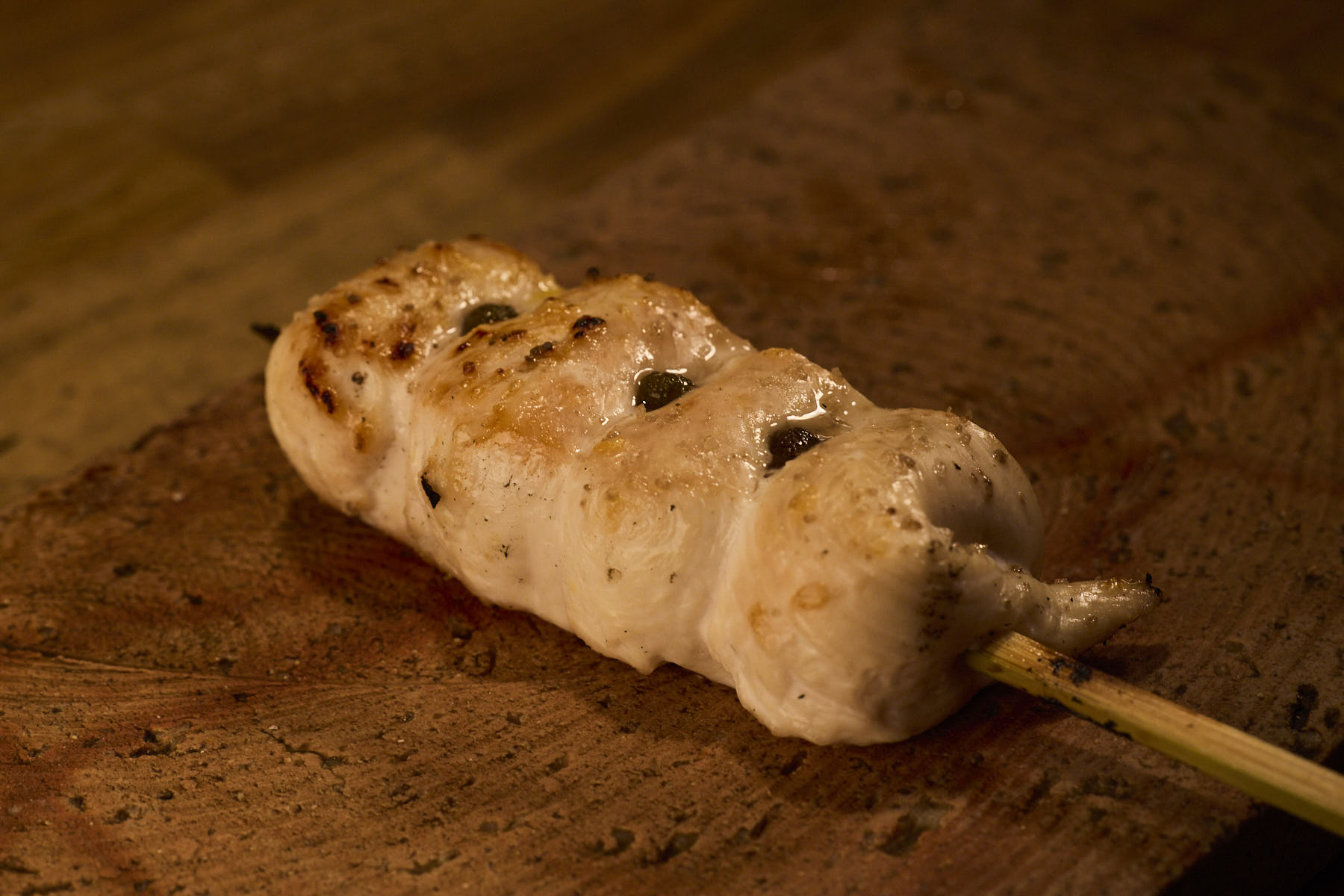
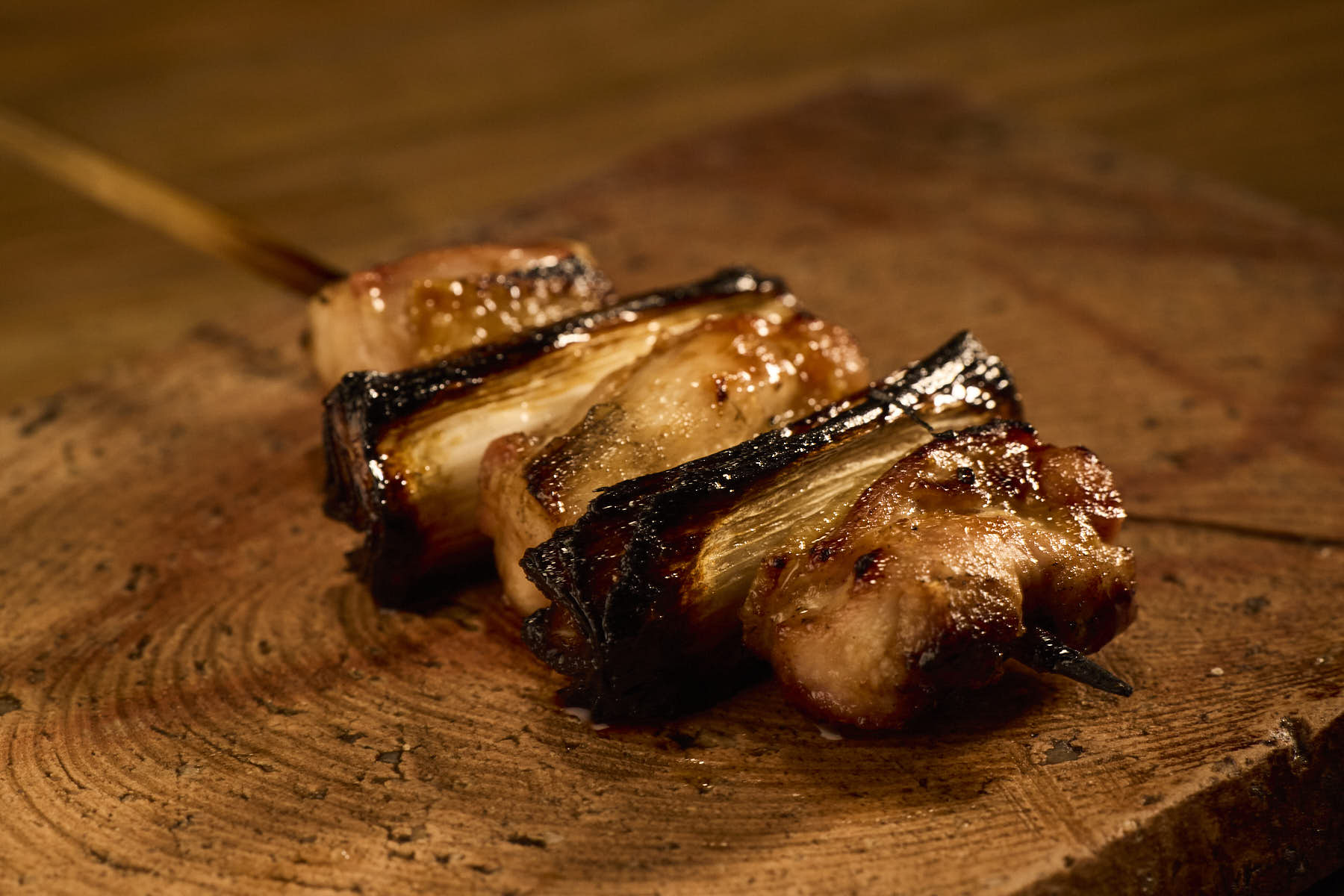
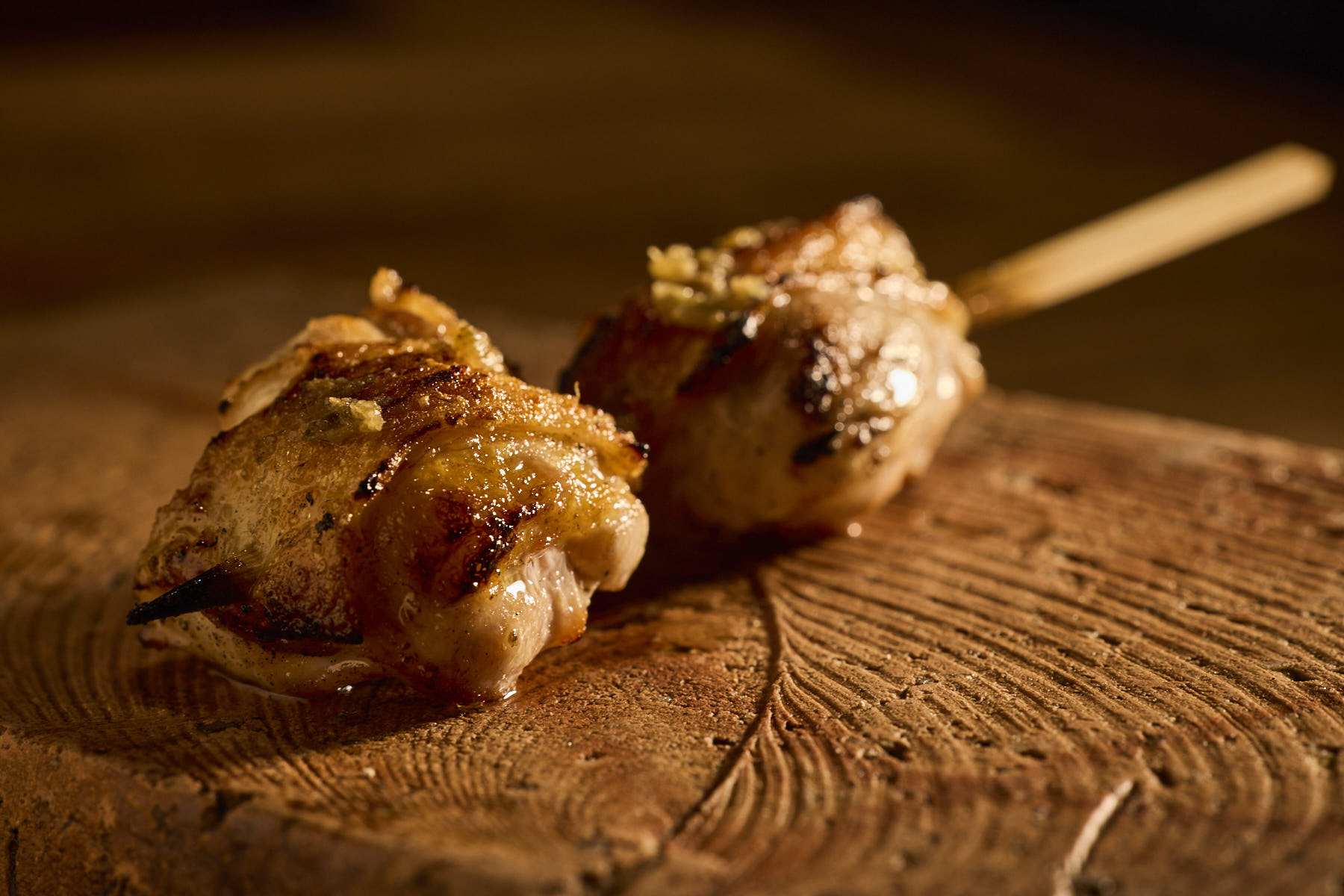
For anyone curious about the art of okan, or warmed sake, Yamamotoya offers a compelling introduction. Now approaching its twentieth anniversary, this beloved local restaurant is known for pairing charcoal-grilled yakitori with aged sake, warmed to a precise temperature that deepens the aroma and umami of each bottle. The yakitori menu draws on selected cuts of premium Japanese poultry such as Kyo-Aka Jidori tenderloin crowned with cured sansho berries and Tokyo Shamo negima of succulent thigh meat and Japanese long onions.
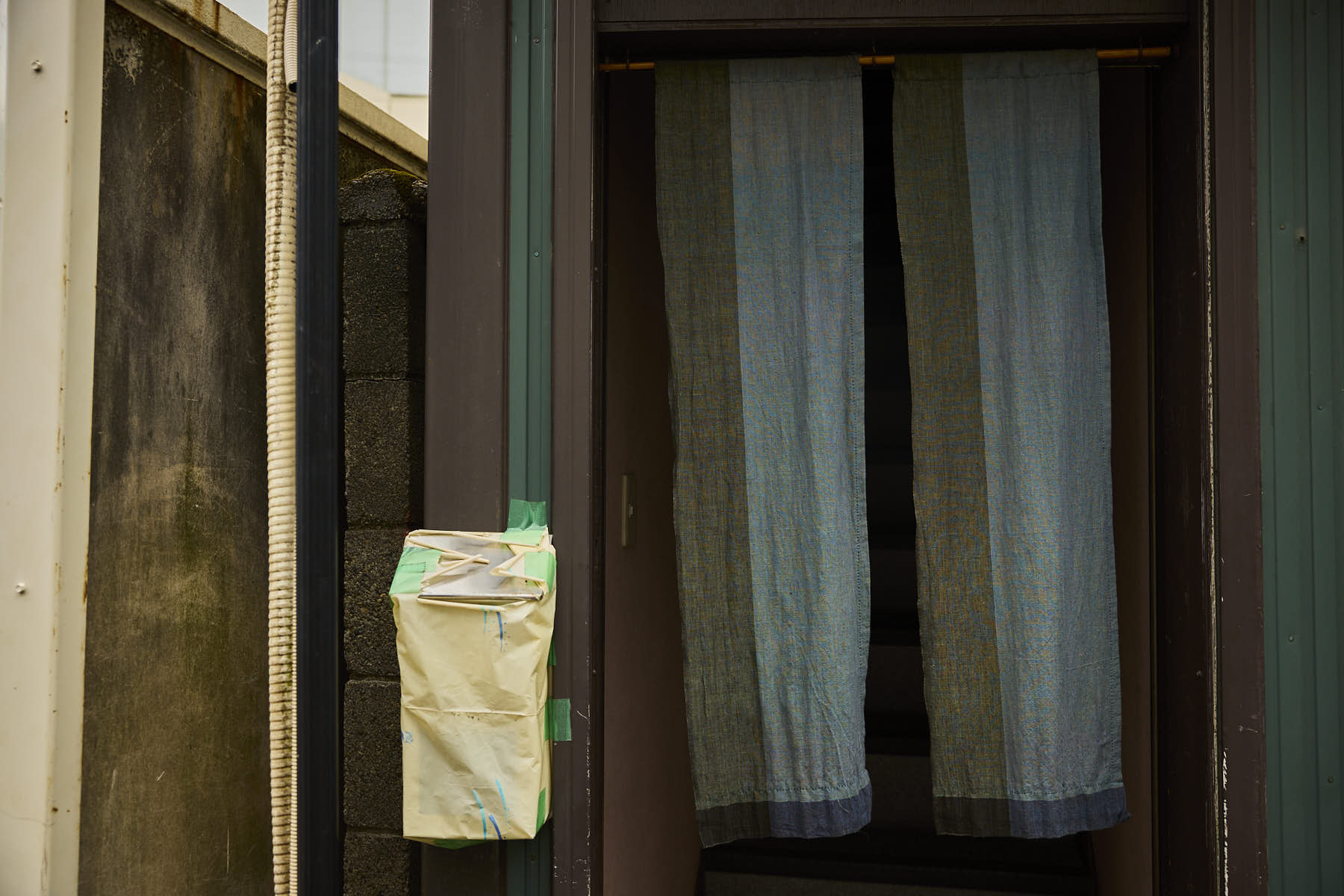
Owner Masato Yamamoto is a self-taught chef who opened Yamamotoya in 2006 after beginning with a small street stall. The restaurant is located in Yoga, a residential neighborhood with traditional shopping streets that offer glimpses of everyday Tokyo life. Just a minute from the station, its entrance is easy to miss. There is no signboard, only a navy-blue noren and a narrow staircase leading upstairs.
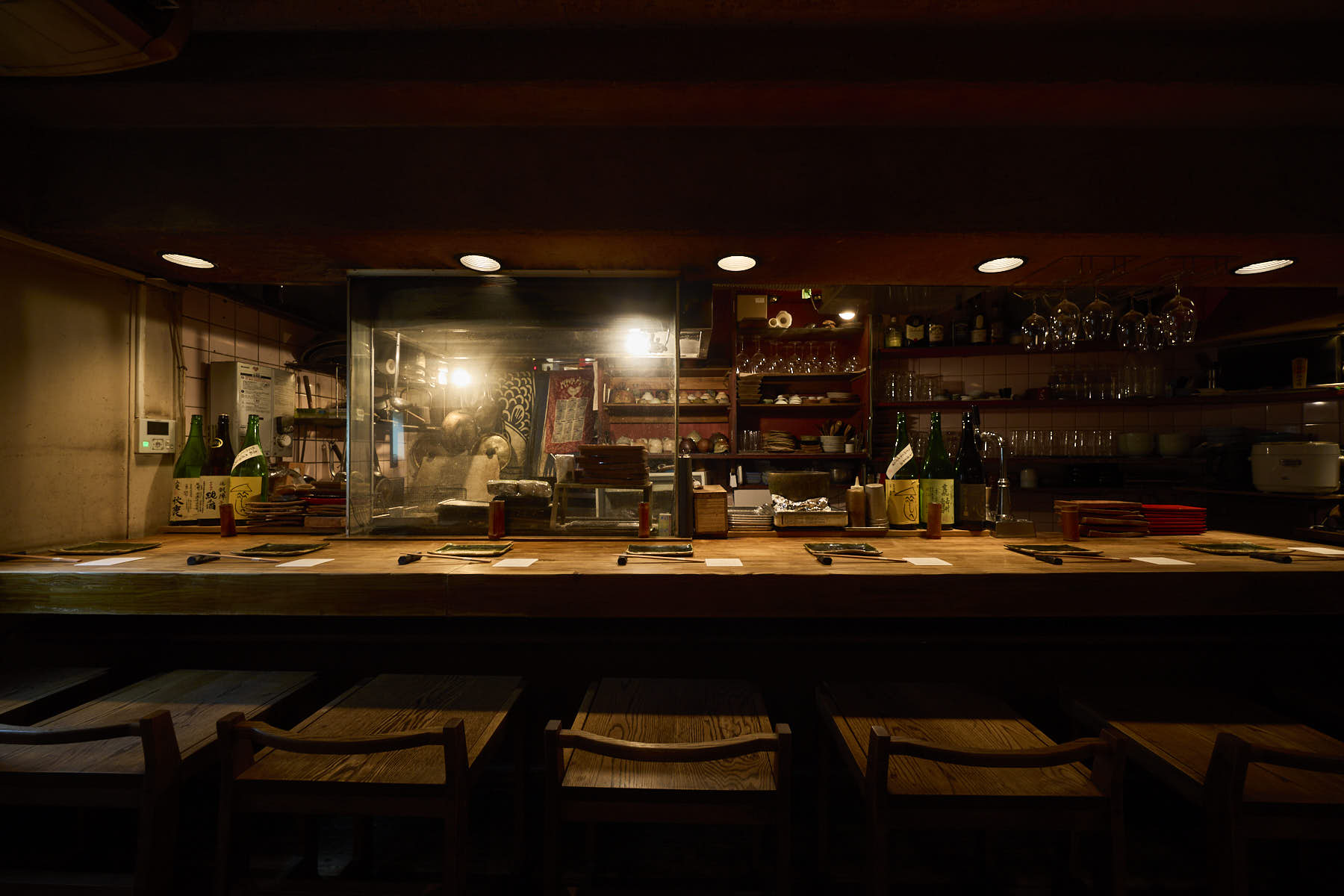
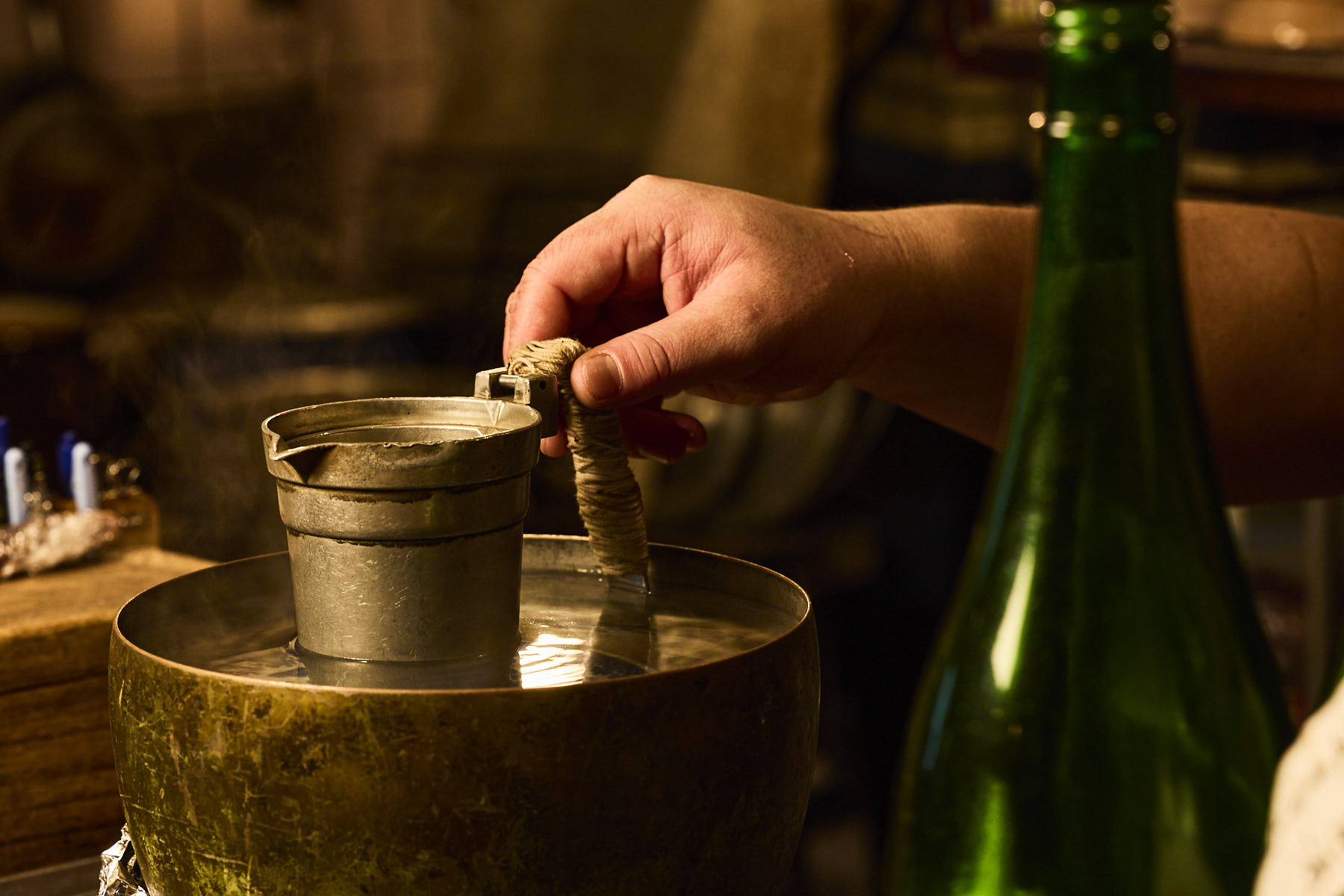
Inside, low lighting and a long wooden counter give the room the easy warmth of a neighborhood restaurant. Guests seated at the counter have a clear view of Yamamoto at the grill, where years of experience show in every movement. Nearby, staff prepare the restaurant's signature warmed sake in a heated water bath. The exquisite collection of tableware also adds to the experience, including pieces by Kai Tsujimura and his family. They also use pieces by Aiko Watanabe, a ceramic artist who works with an anagama wood-fired kiln in Mie Prefecture.
CUISINE
The art of yakitori through fire and season
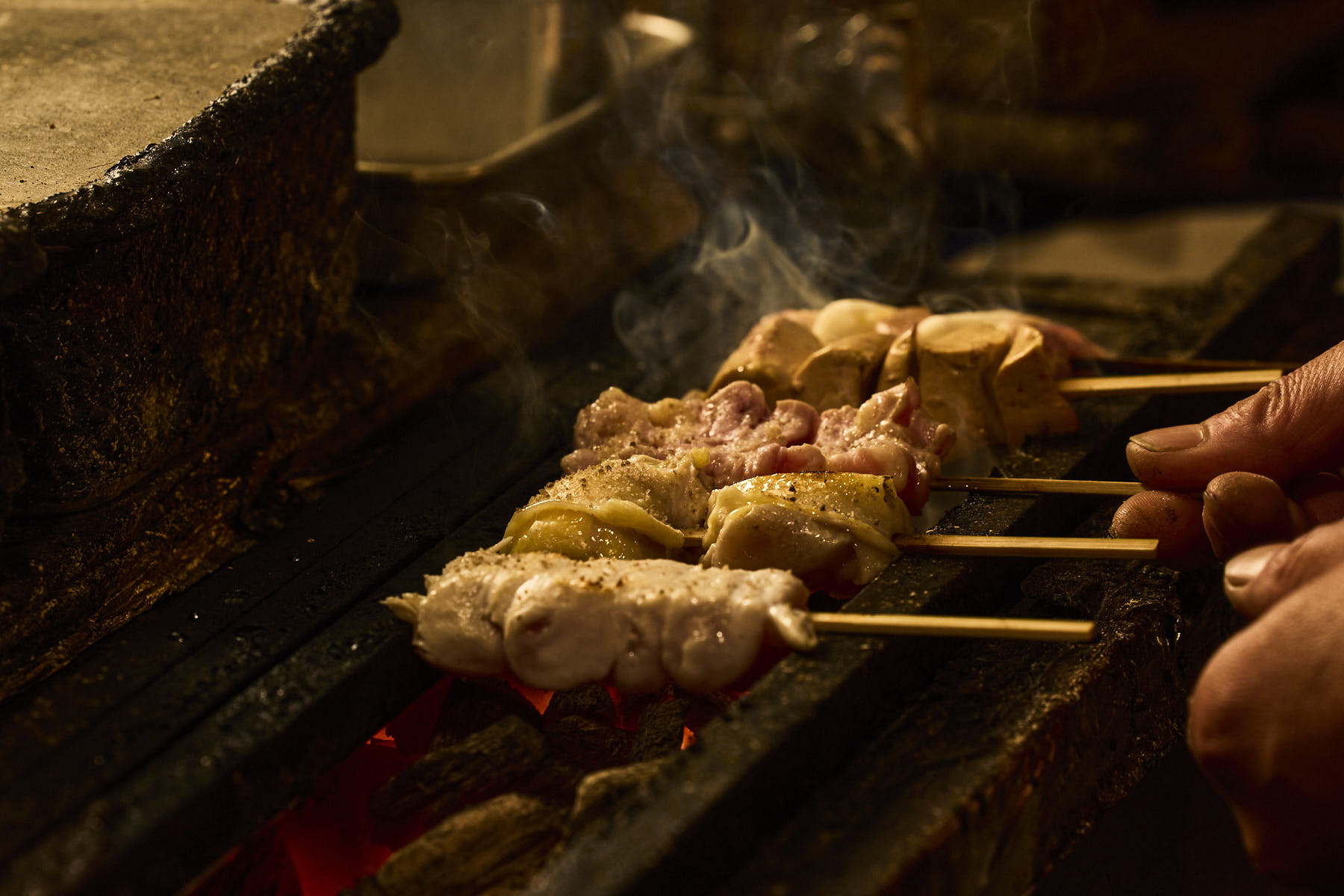
Yamamoto's approach to yakitori begins with the belief that each cut calls for its own seasoning and technique. Working with four carefully selected poultry varieties, including Tokyo Shamo and Kyo-Aka Jidori, he moves from delicate tenderloin to richer cuts and offal, building flavor and texture as the meal progresses. Cooked close to the intense heat of Kishu Binchotan charcoal, the skewers develop crisp, fragrant surfaces while remaining moist and tender at the center..
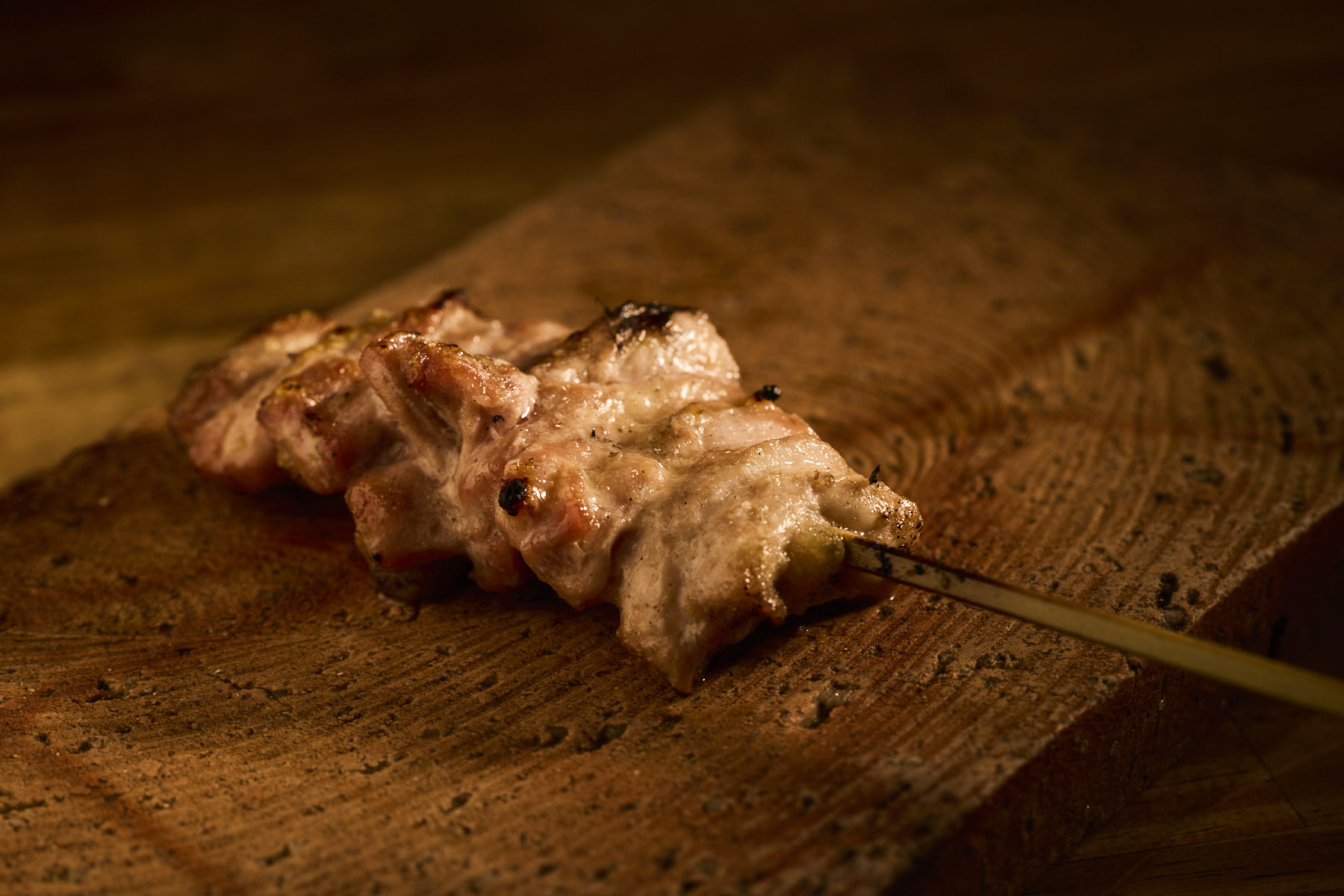
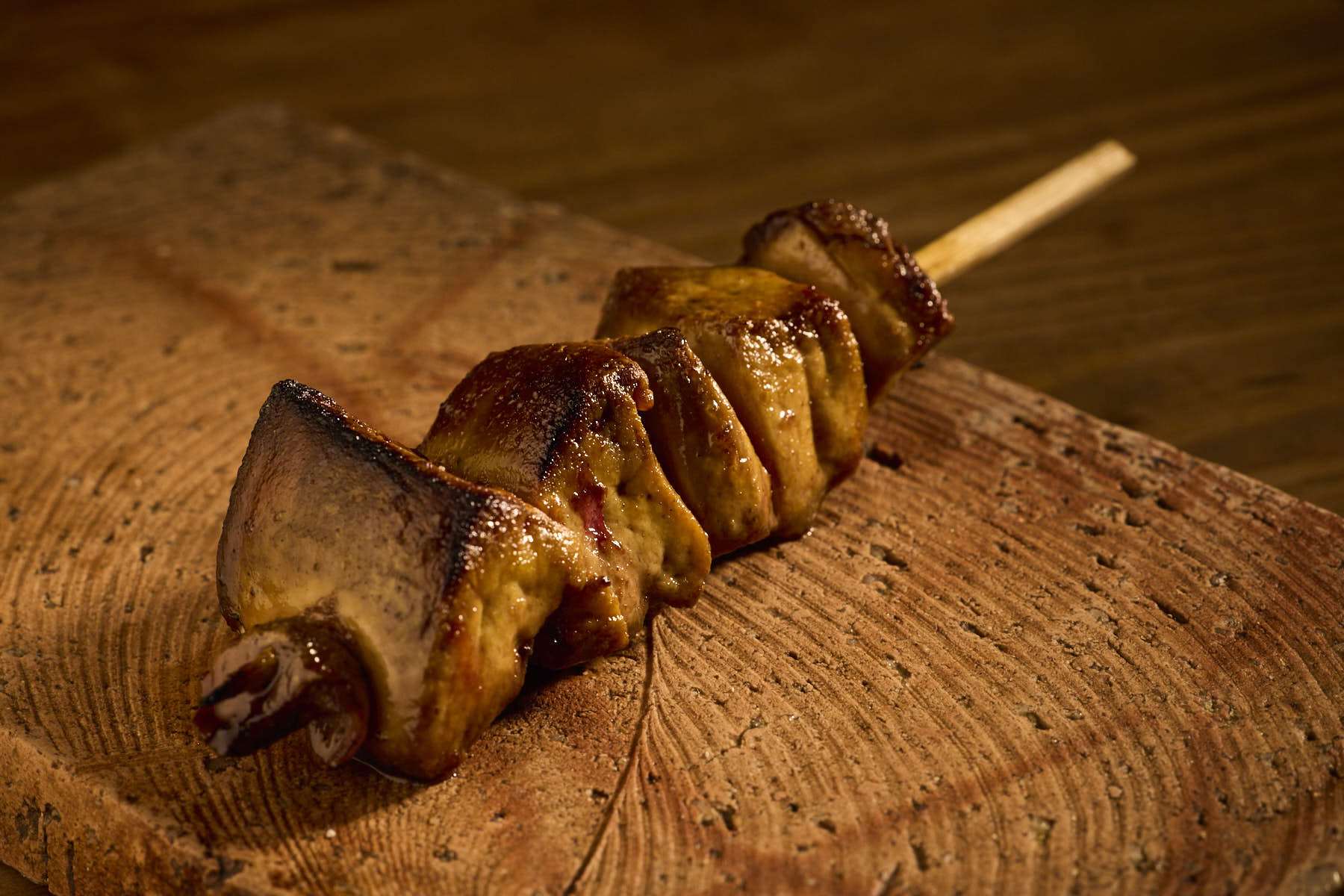
Kyo-Aka Jidori sasami arrives simply salted, its tender meat lifted by the bright bite of house-cured sansho berries. Seseri is the richly marbled neck meat whose firm texture comes from the bird's constant movement. Kata is the shoulder of female Tokyo Shamo, selected for its pleasantly springy texture. Kyo-Aka Jidori white liver is cooked rare and glazed with sauce, leaving the center almost melting. The signature negima, which alternates pieces of Tokyo Shamo and Japanese long onions on the skewer, highlights the concentrated flavor of the meat.
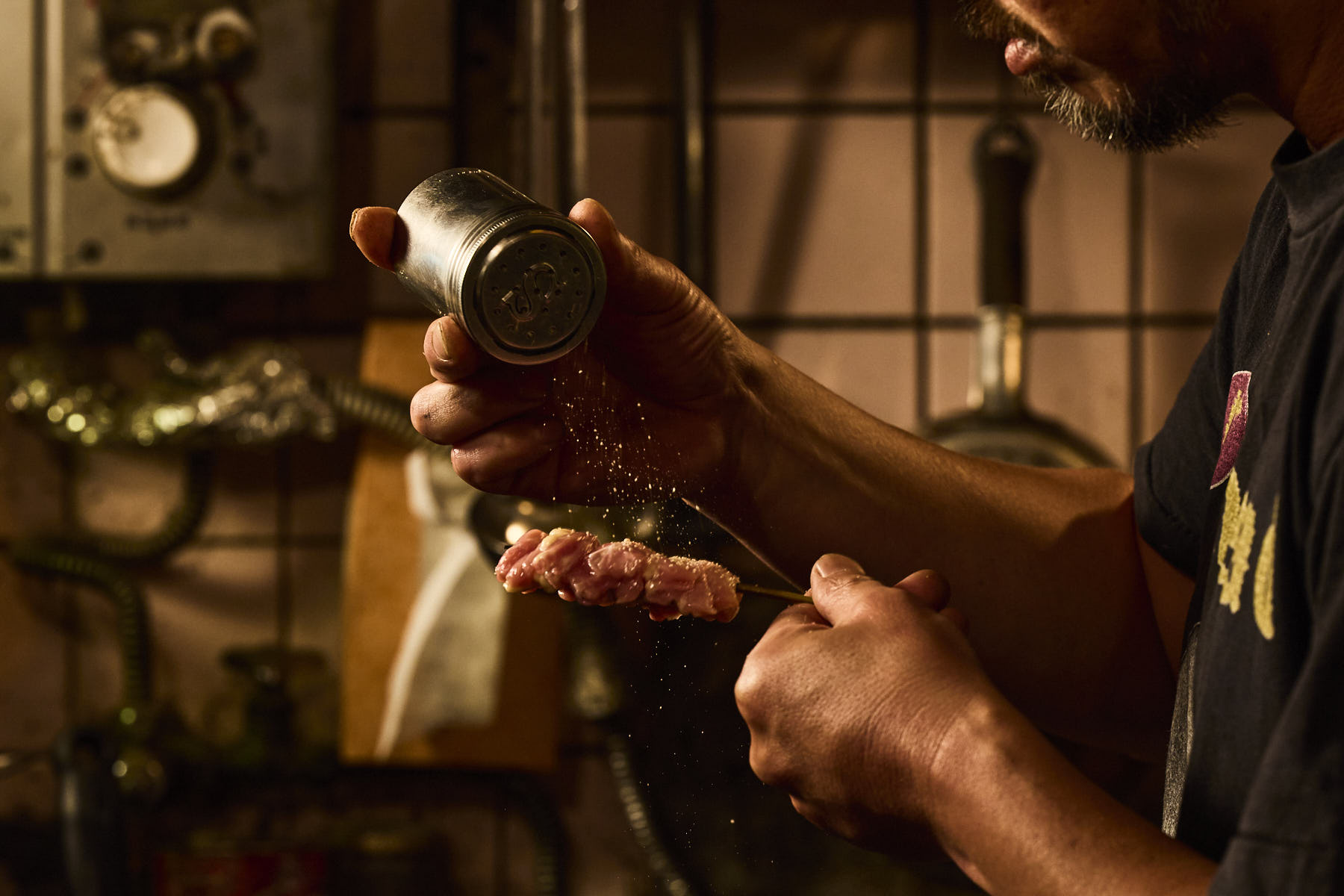
Yamamoto’s seasoning is key to bringing out the best flavor in the poultry. The salt is an original blend made by simmering Vietnamese sea salt with dried bonito flakes and kombu before roasting it to deepen its savory character. The flavorful marinade, or tare, is enriched with the fine bonito flakes left over from shaving the fish and continuously replenished since Yamamotoya's days as a street stall.
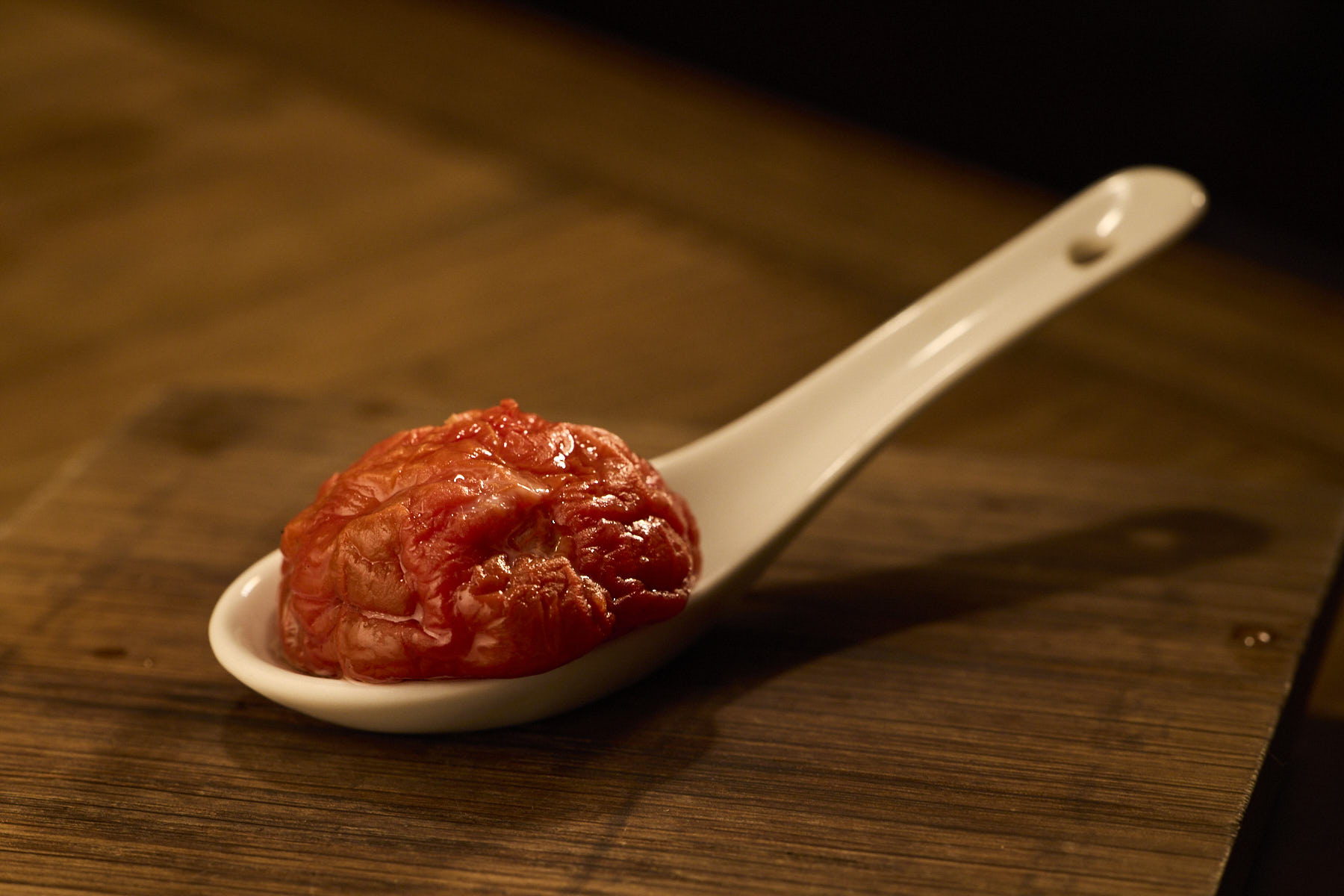
Semi-dried tomato is another signature dish, served on a spoon in the style of a Chinese soup dumpling. The tomatoes are dried in the sun or on wire racks for around twelve hours until they shrink to roughly two-thirds of their original size, concentrating their sweetness and natural umami. Served midway through the meal, the bright flavor of the tomatoes acts as a palate cleanser.
The meal concludes with a choice of rice dishes, including soboro (minced chicken) rice, tamago-kake gohan (rice topped with raw egg), abura-meshi (chicken fat rice) and Japanese curry rice. Among them, the abura-meshi is a house specialty. Chicken fat is gently folded through freshly cooked rice with scallions.
INGREDIENTS
Yamamoto’s omakase menu features four different varieties of Japanese poultry. Tokyo Shamo serves as the foundation of the course, complemented by Kyo-Aka Jidori, Hakata Jidori and Saitama Aigamo (crossbred duck). Only female birds are used for their tender texture. Seasonal vegetables are carefully selected for quality.
CHEF
Masato Yamamoto
Okan - Warm Sake
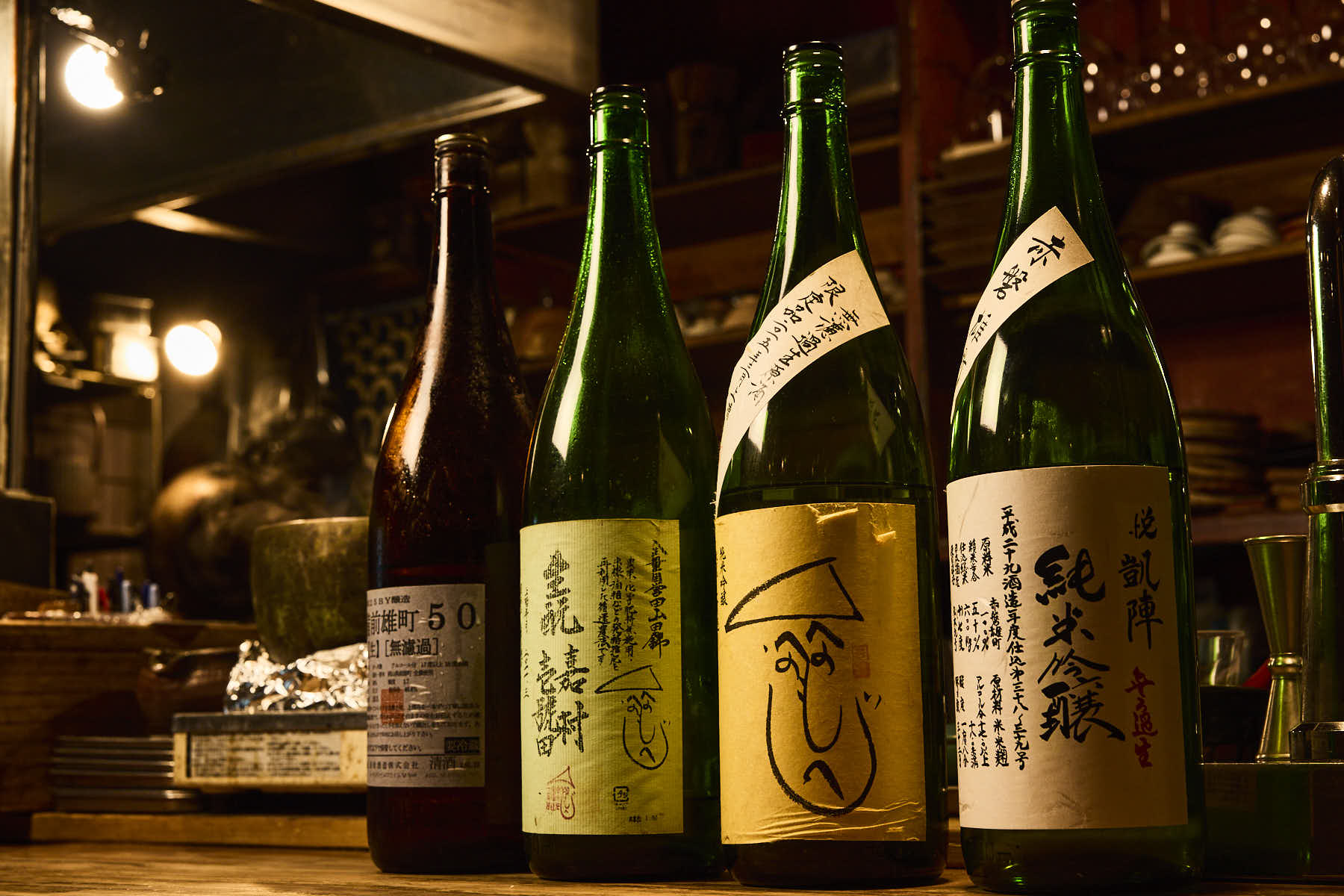
Okan, or warmed sake, is central to the Yamamotoya experience. The selection includes bottles from breweries such as Akishika Shuzo's Aki-shika in Osaka, Chōchin Shuzo's Chōchin in Aichi and Maruo Honten's Yorokobi Gaijin in Kagawa, each served at a temperature that expresses its distinctive character.
In a warehouse near the restaurant, Yamamoto ages selected sakes for between three and ten years before deciding when they are ready to pour. Some have been brewed from rice varieties once grown in paddies that no longer exist, making them increasingly difficult to find elsewhere.
The chef invites guests to consult him when choosing a sake, whether they are already devoted to warmed sake or discovering it for the first time. For newcomers, it can offer a different way of understanding sake.
Course
- The price includes our booking fee of ¥8,000
- The price includes our booking fee of ¥8,000
Tokyo
Yamamoto Ya
山本屋


- GENRE
- Yakitori, Setagaya
- ADDRESS
-
2F, 4-11-2 Yoga, Setagaya-ku, Tokyo, Japan

- OPEN
- 6PM - 11PM, Sat 5PM-10PM
- CLOSED
- Sundays
- URL
- NA
- PHONE
- NA


