

Tokyo
Fukazawa
深澤
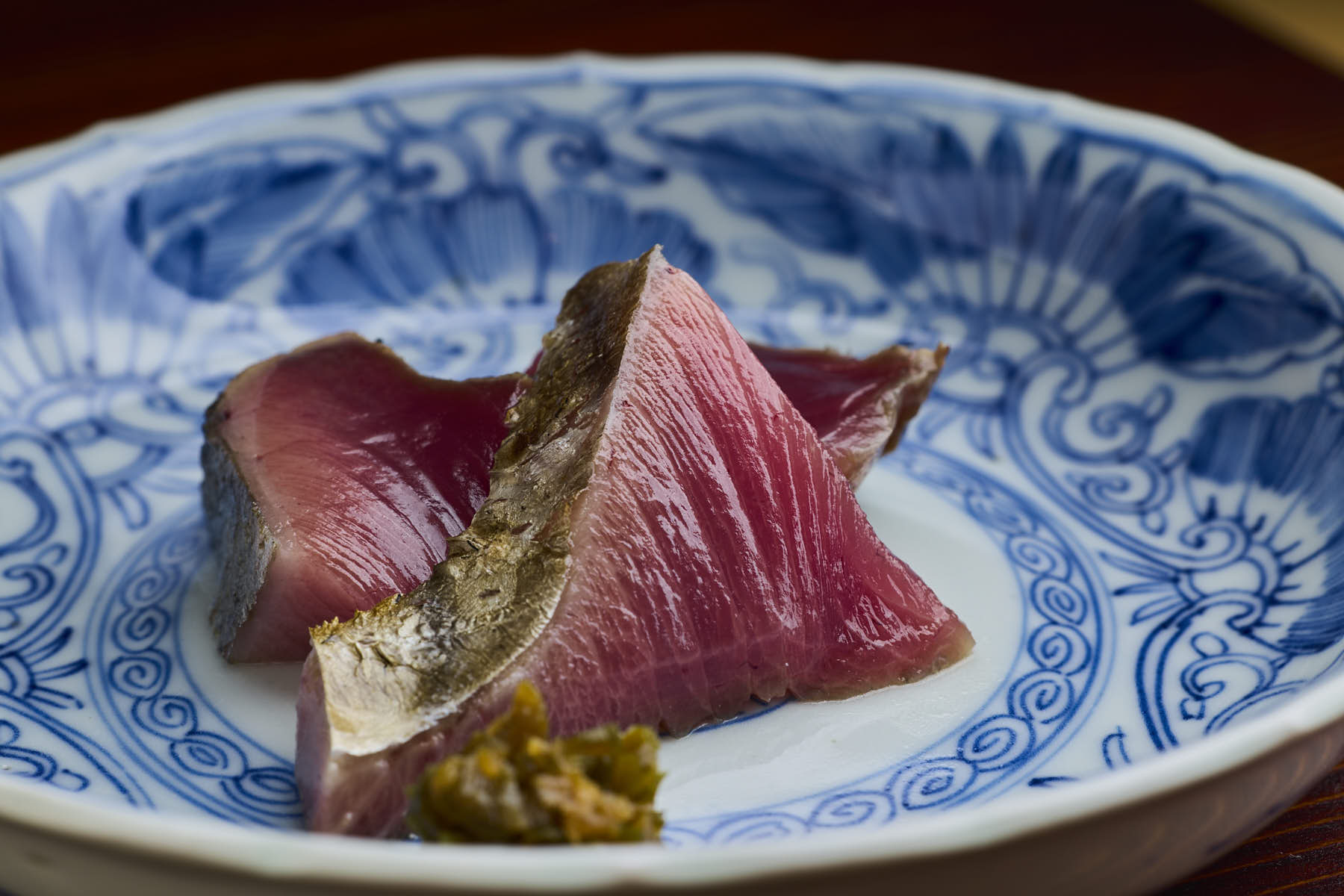
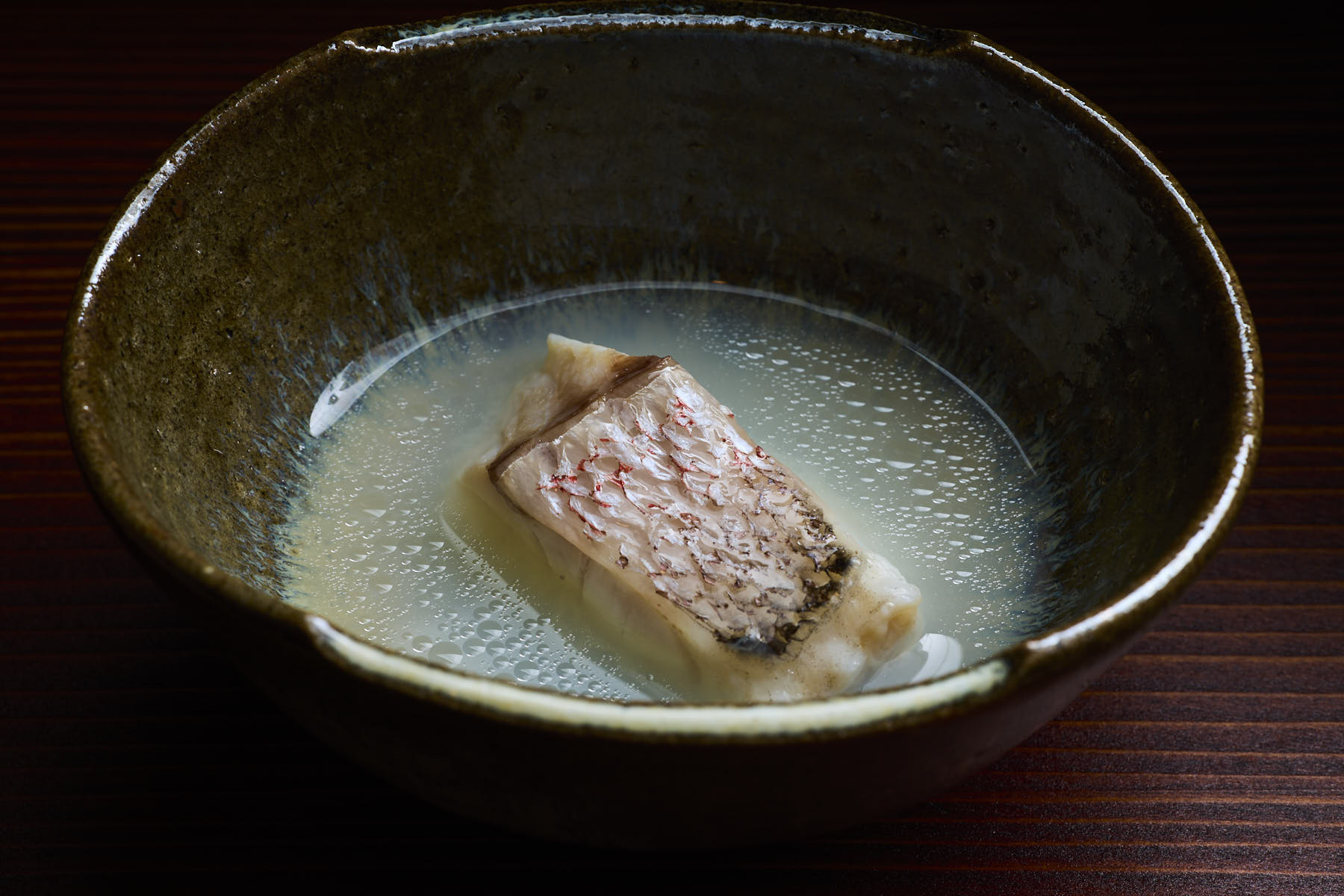
Fukazawa marks the long-awaited debut of Chef Gen Fukazawa following his decade-long tenure at Ginza’s acclaimed Harutaka. His sushi draws on the techniques he learned there while evolving his own approach. Bonito from Kesennuma is seared over straw until its skin is lightly smoked and crisp, while white tilefish from Yawatahama is steamed and served in a seasonal broth. His nigiri captures a delicate balance between structure and lightness, with the rice gently separating in the mouth.
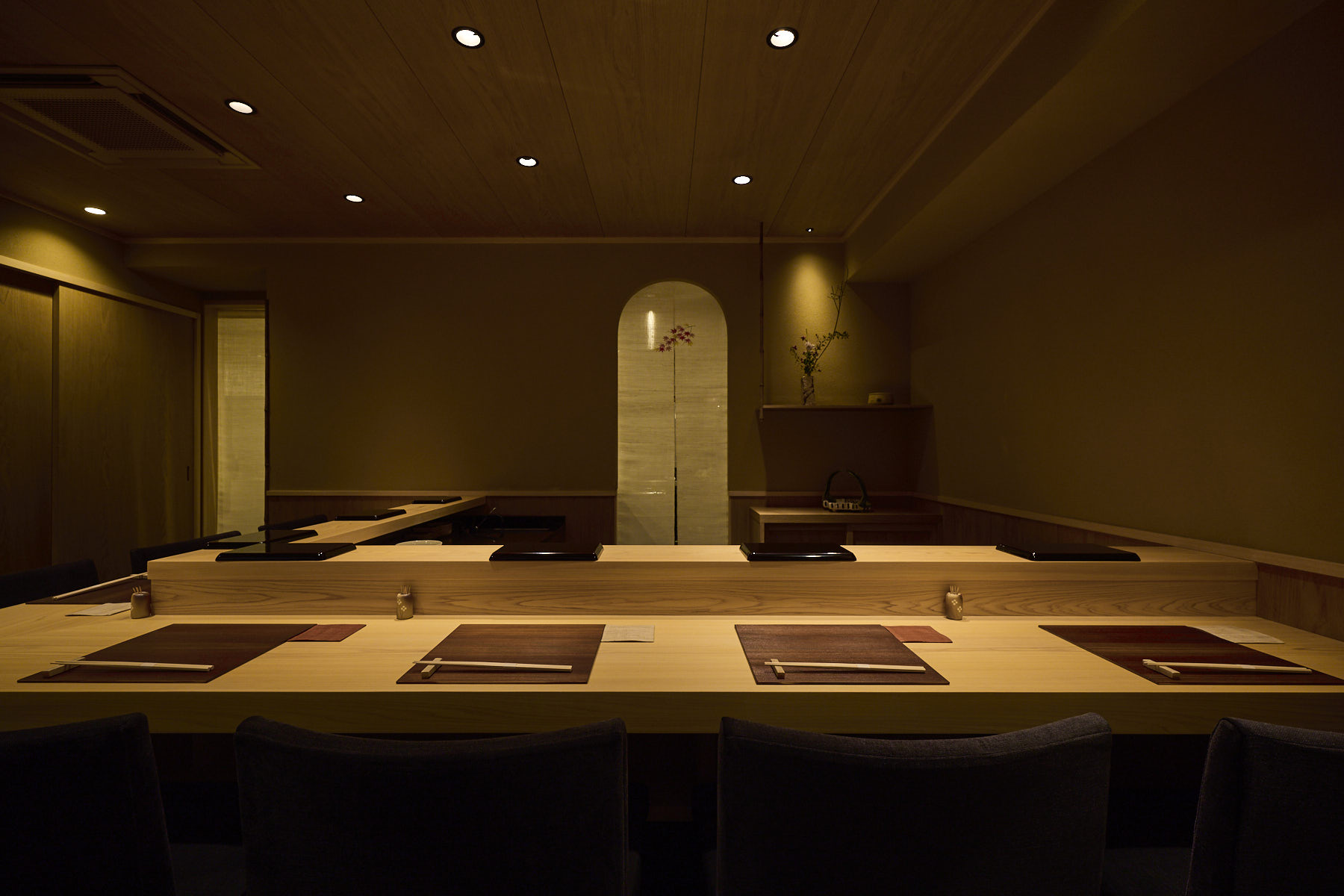
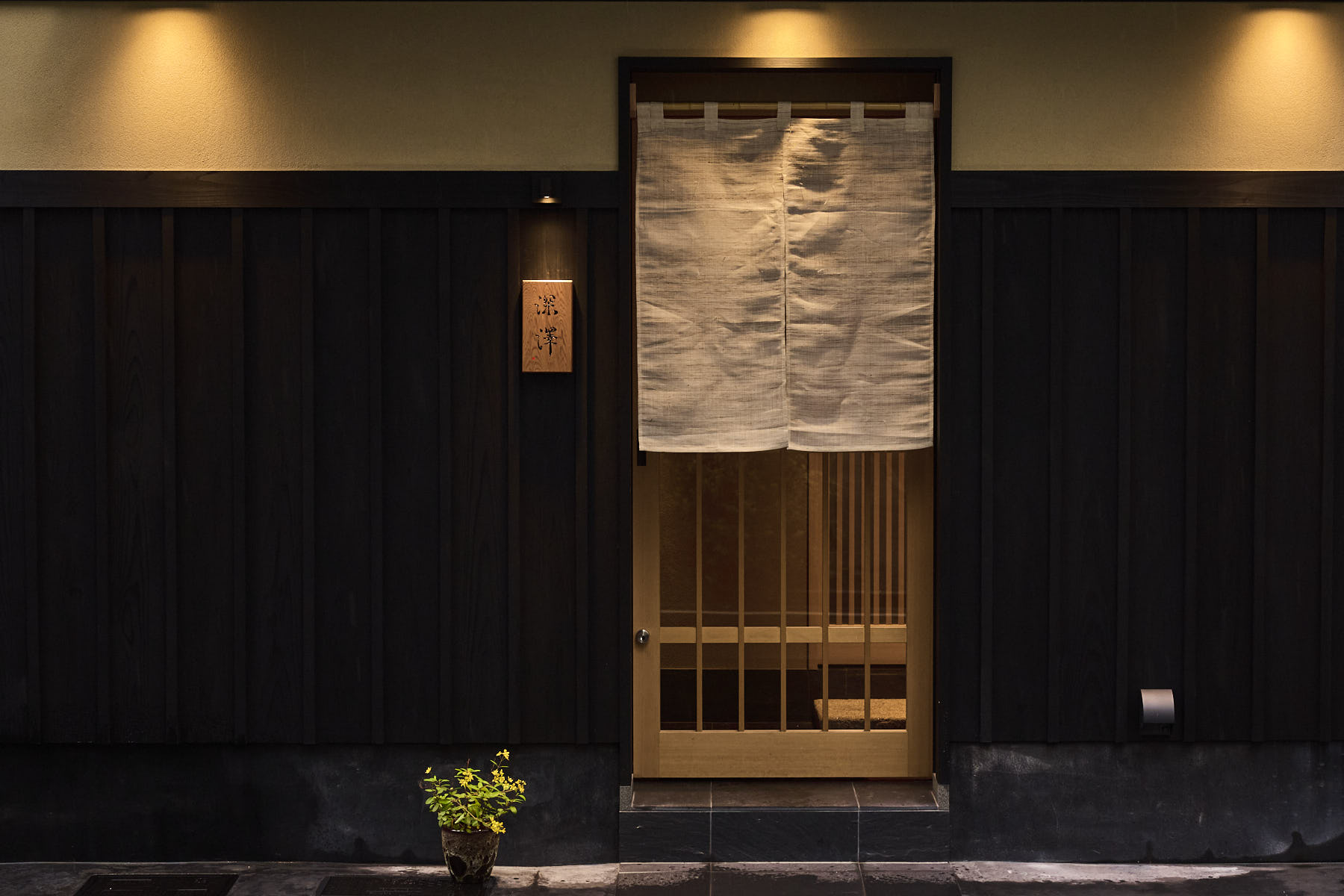
Opened in October 2026, Fukazawa is tucked away on a quiet street in Tsukiji, just a short walk from the station. Beside the new noren at the entrance, the restaurant’s name appears in calligraphy by Harutaka Takahashi, Fukazawa’s longtime mentor. Inside, a cypress counter seats just seven guests, offering an intimate view of the chef at work. His appreciation for Japanese craftsmanship is evident in the details, from the seasonal flower arrangements to the smallest utensils.
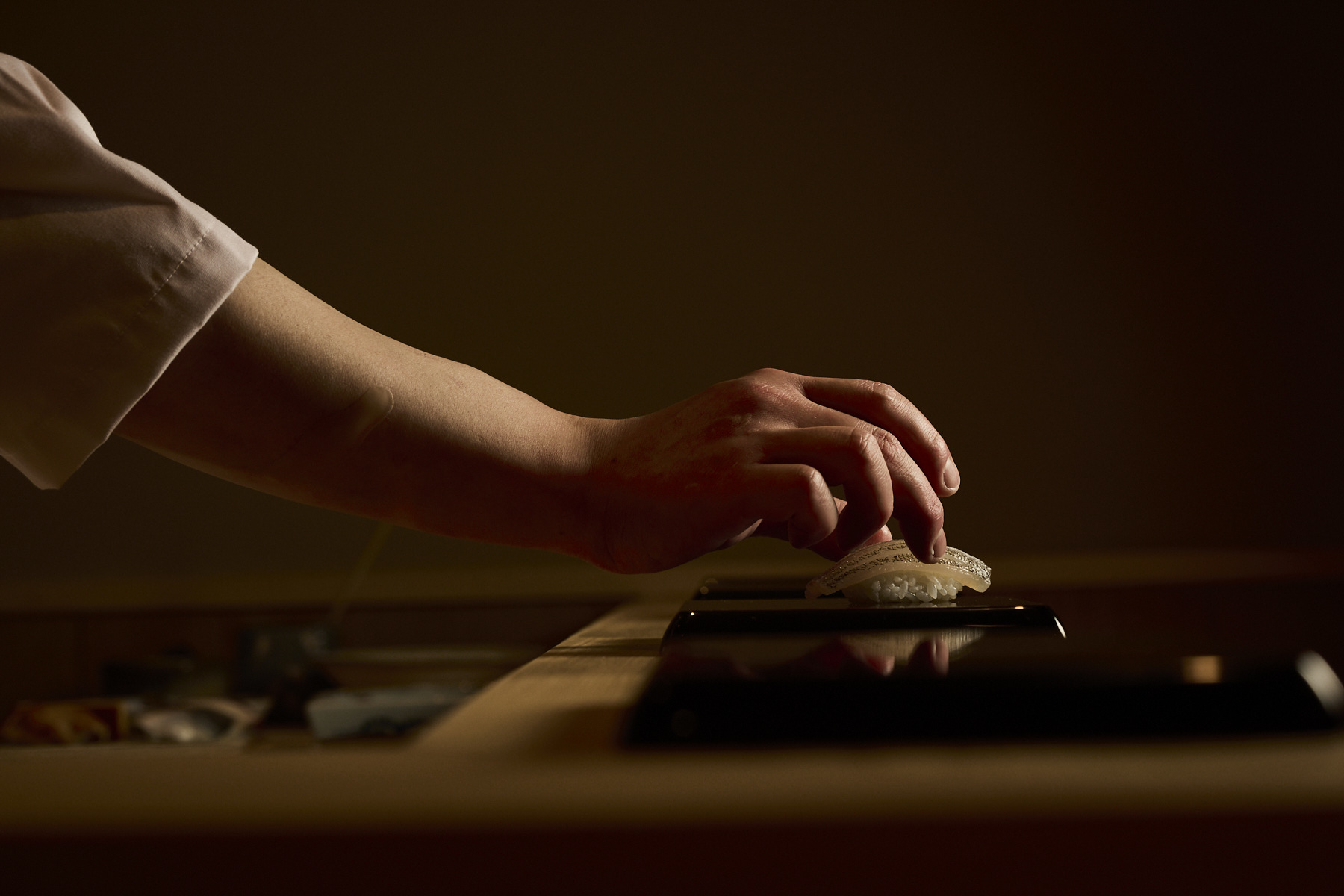
The tsukedai, the raised surface where the sushi is placed, is finished in lacquer that will develop depth and character with years of use. Thin cedar serving trays, hexagonal chopsticks and exceptionally fine toothpicks have all been carefully selected by Fukazawa. He still uses a knife he purchased from the Kyoto bladesmith Yoshisada Knives with money saved from a part-time job years ago.
The sake selection also reflects personal connections. Tokachi Junmai from Kamikawa Taisetsu Sake Brewery is made by a former classmate in their home prefecture of Hokkaido. Other bottles include Hirotogawa from Matsuzaki Brewery in Fukushima, curated to complement the sushi and sometimes served warm. A certified sommelier, Fukazawa has also assembled a wine list with the menu in mind.
CUISINE
From Harutaka to his own counter. Edomae, refined
Fukazawa’s sushi feels clean and honest, with much of the character coming from the quality of the seafood and careful adjustments in preparation. The omakase begins with a seasonal appetizer, followed by five small dishes, eleven pieces of nigiri and egg to finish. Throughout the meal, subtle adjustments in seasoning, temperature and preparation reveal the care behind each course.
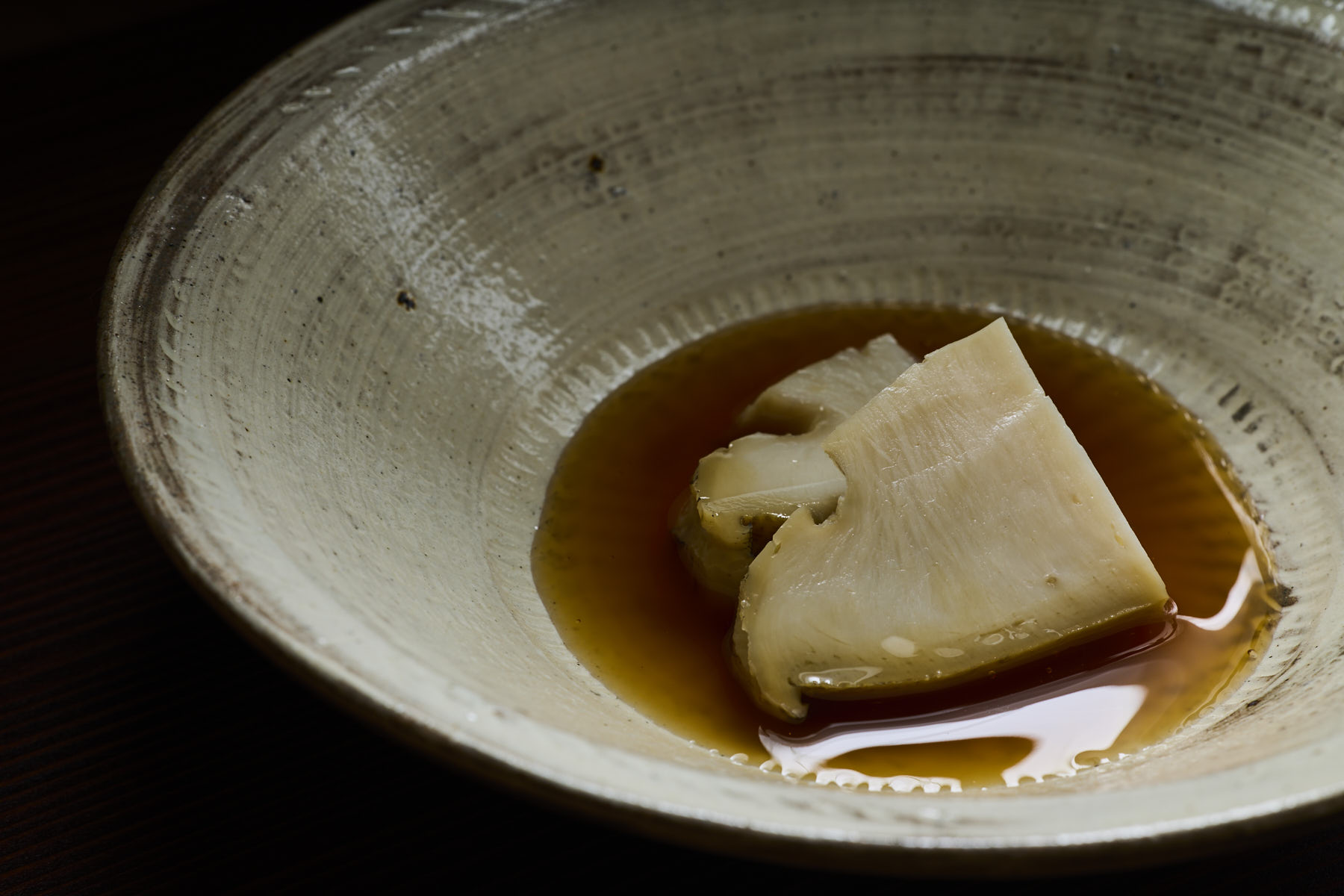
Black abalone is cooked in sake for over three hours, with its umami-rich juice used to make the sauce. Bonito from Kesennuma is seared over straw, lightly smoking the skin to keep the flesh moist, served with Manganji peppers and yellow chives. White tilefish from Yawatahama is steamed and paired with seasonal broths or a delicate lotus root purée. Chicken grunt is rested for two days, allowing the flavor to settle.
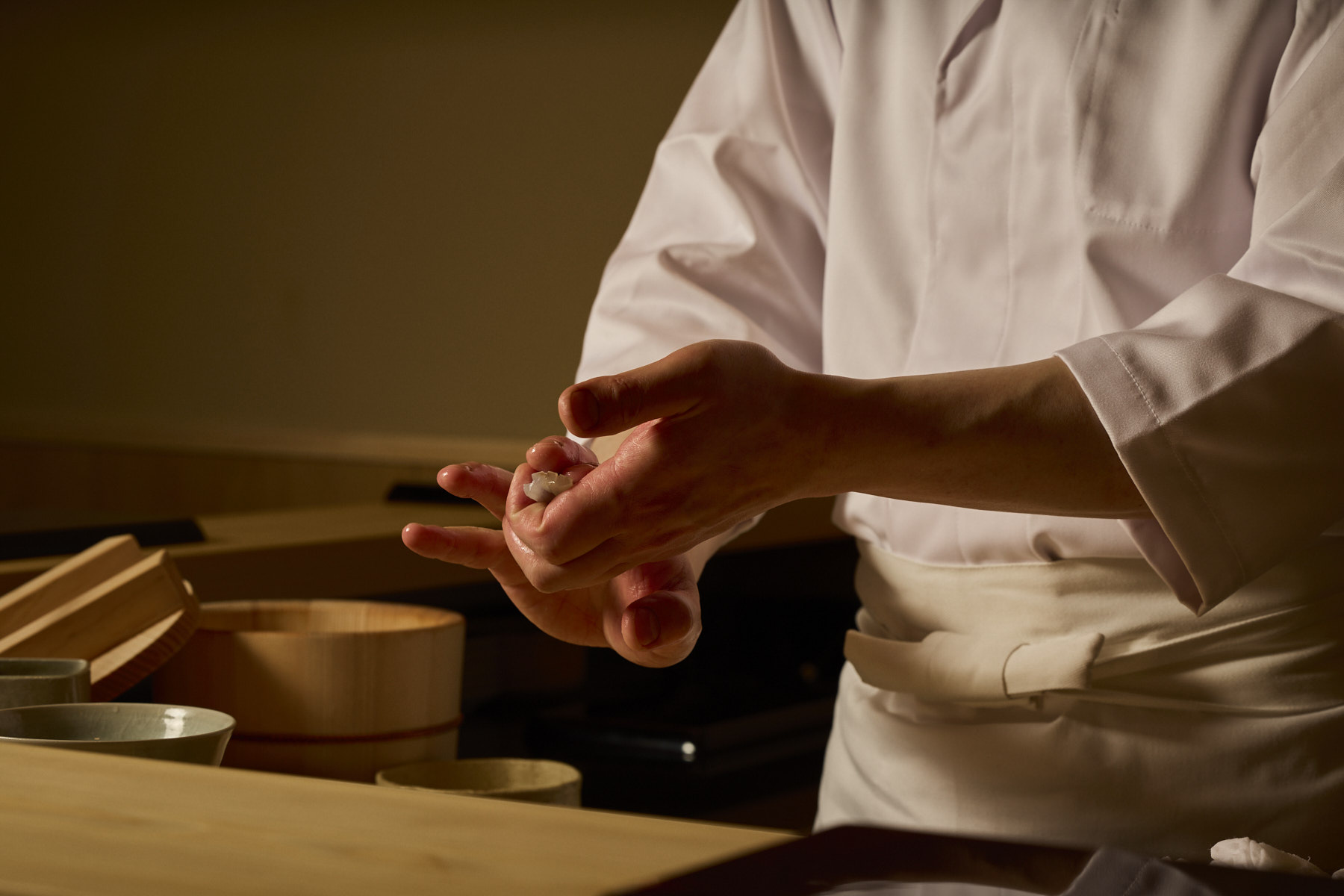
Fukazawa's nigiri reflects years of disciplined training, with attention to the balance between rice, seasoning and fish. He blends Koshihikari rice from two different regions, seasoning it simply with rice vinegar. Each piece is shaped with a firm, precise touch, allowing the rice to retain its structure without being overly compressed. The sequence begins with squid, with its light flavor placing the focus on the shari, before progressing to lean, medium-fatty and fatty tuna.
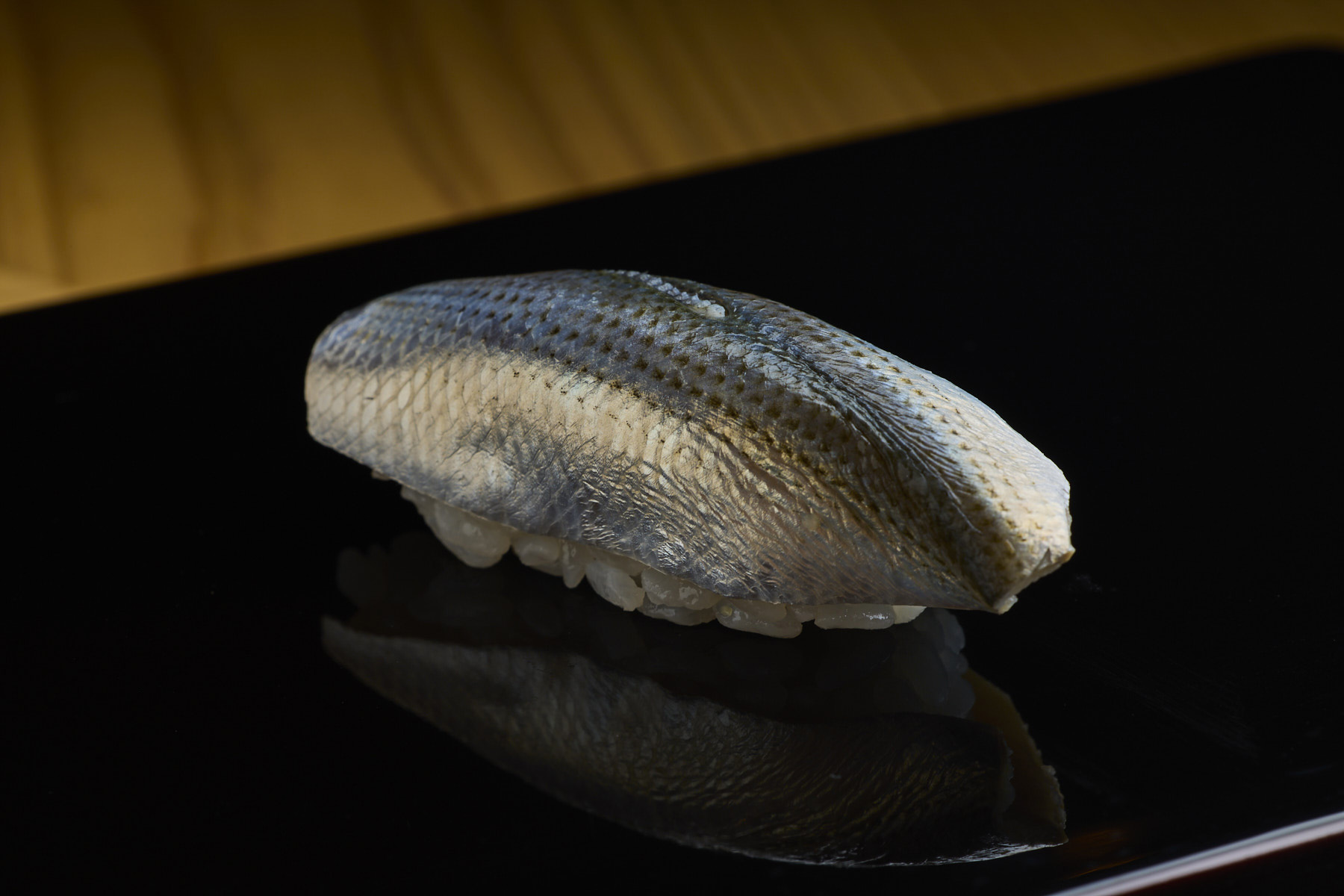
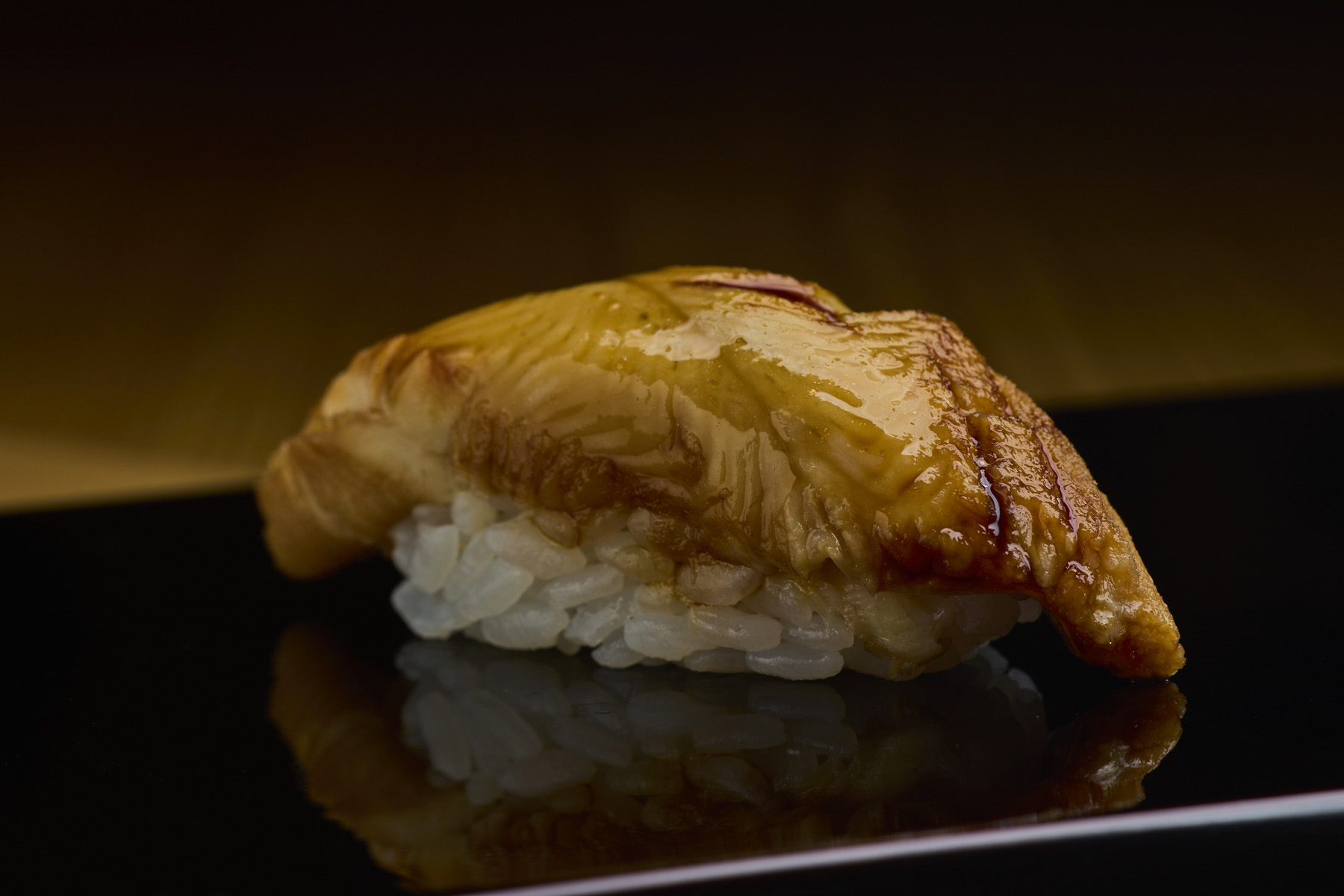
Fukazawa selects kohada from Amakusa in Kumamoto Prefecture for its soft skin, curing it in salt and vinegar for equal lengths of time before resting it for around two days. Conger eel from Tsushima in Nagasaki Prefecture is simmered in advance and steamed just before serving. Its tsume, the sweet glaze brushed over the eel, is made fresh rather than replenished from previous batches.
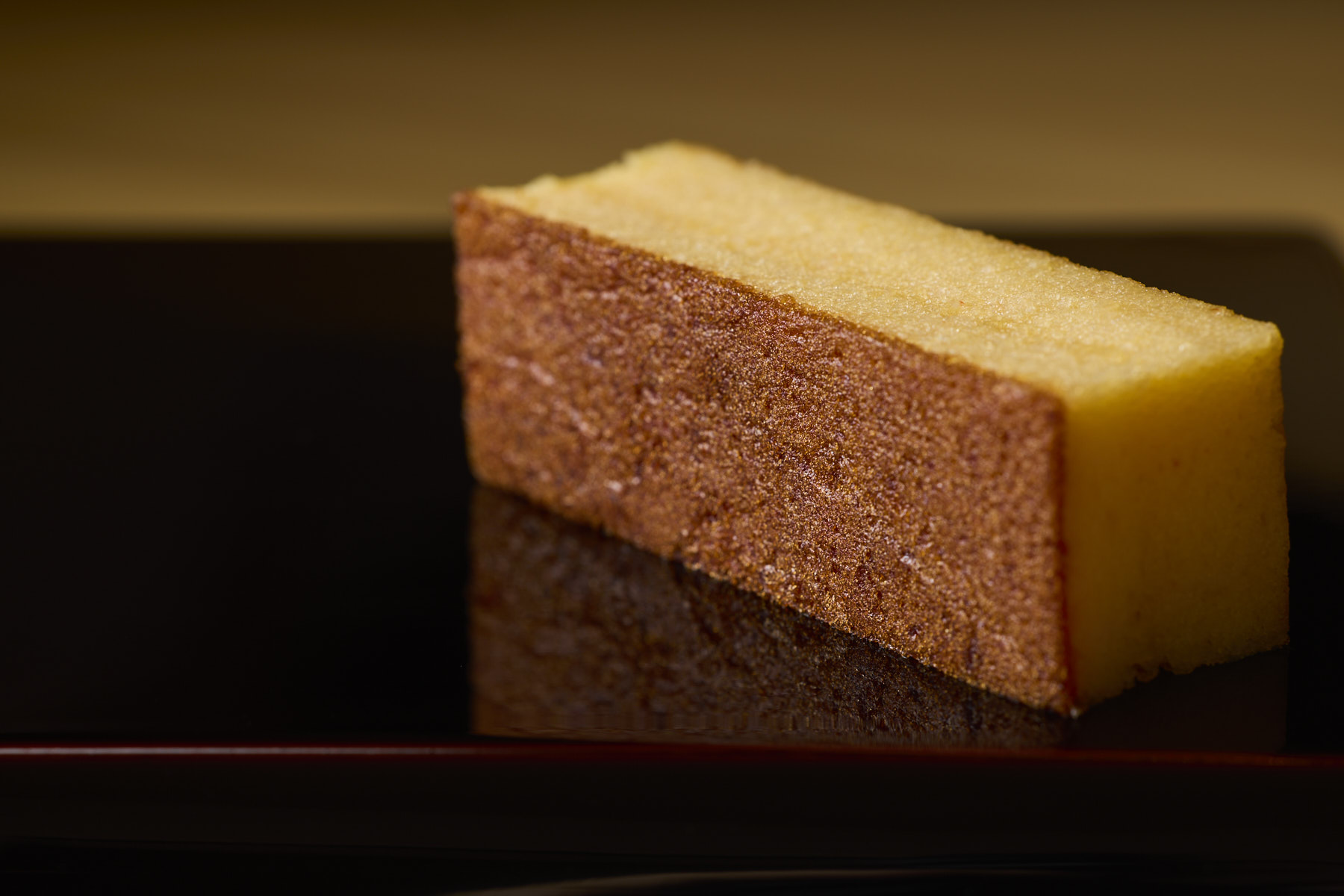
The meal ends with tamago, a slice of sweet Japanese omelette often regarded as one measure of a sushi chef’s technique. Fukazawa combines mountain yam, small shrimp, refined sugar and eggs. The mixture is cooked slowly for around 80 minutes, producing a moist, smooth texture like cake.
INGREDIENTS
Every morning, Fukazawa visits Toyosu Market, making the rounds of around seven specialist wholesalers. Many are suppliers he first began visiting during his apprenticeship nearly a decade ago, allowing him to build longstanding relationships and an understanding of what each does best.
Tuna comes from renowned specialist Yamayuki. Rather than seeking the largest fish, Fukazawa favors those weighing around 90 kg for their fine grain and soft, airy texture. From July through September, he sources black abalone from Chiba Prefecture. A significant portion of his seafood also comes from Yawatahama in Ehime Prefecture.
The shari is made from a blend of aged Koshihikari rice grown in Nagano and Niigata prefectures, in areas where pronounced differences between daytime and nighttime temperatures help develop the grain’s flavor. Fukazawa seasons the rice with Mizkan’s Shiragiku rice vinegar and serves his sushi with Mazuma wasabi from Shizuoka Prefecture.
CHEF
Gen Fukazawa
TABLEWARE
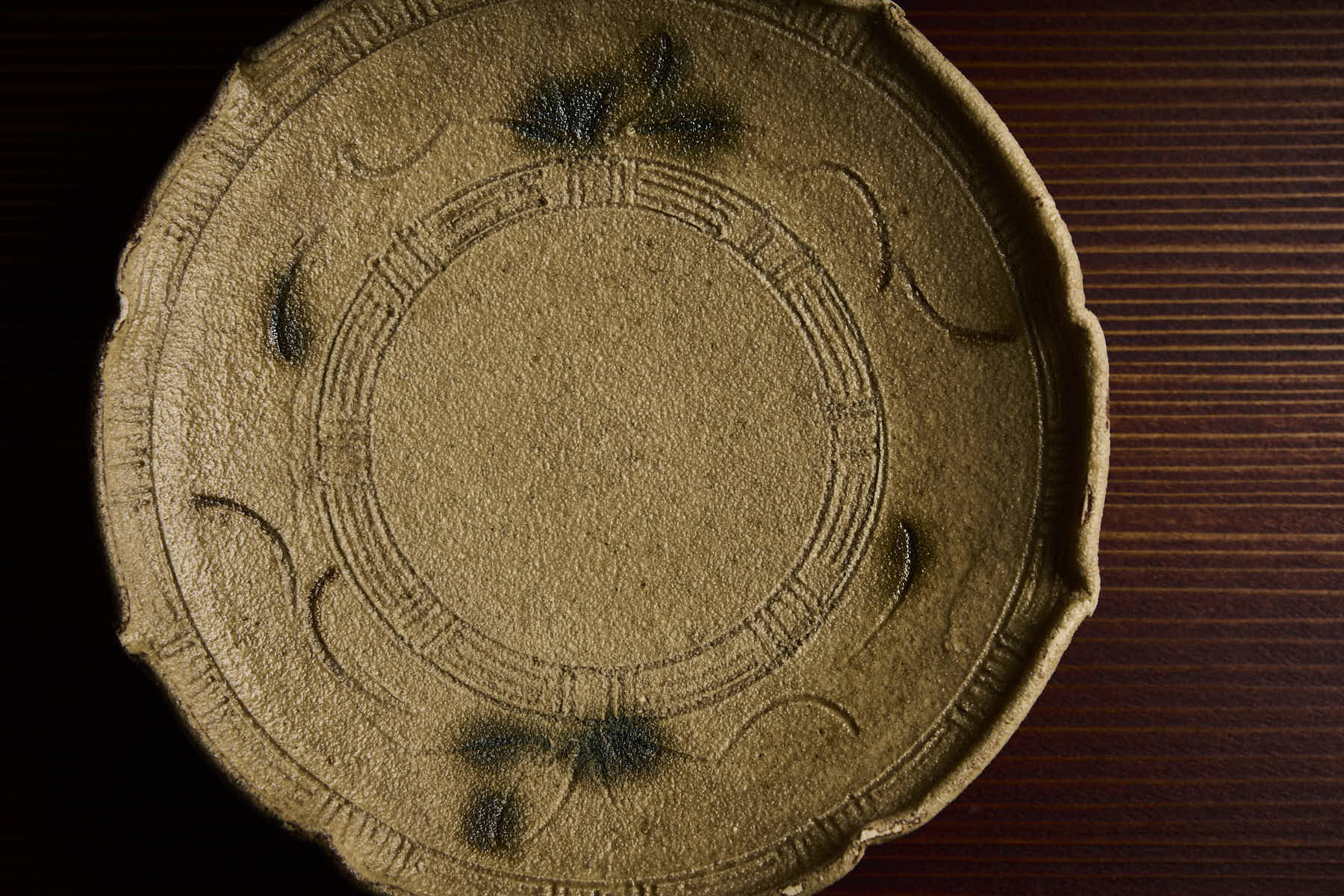
Fukazawa becomes noticeably animated when the conversation turns to tableware. His collection reflects a deep appreciation for the history and craftsmanship of Japanese ceramics, with each vessel carefully chosen for its place at the sushi counter.
He is particularly interested in contemporary interpretations of traditional ceramics. He admires the Kizeto, or Yellow Seto ware, of ceramic artist Yu Nishioka. The style dates to the Momoyama period and was later revived after falling into obscurity. Nishioka’s pieces have a soft, pale-yellow surface known as aburage-de, or “fried-tofu style.”
The tsukedai on which the nigiri is served was custom-made in Echizen-nuri lacquer by Kuroeya, a long-established craftsman in Nihonbashi. Finished with black lacquer layered over a vermilion base, the surface gradually reveals hints of the warm red beneath, acquiring greater depth and character with years of use.

Course
- The price includes our booking fee of ¥8,000
- The price includes our booking fee of ¥8,000
Tokyo
Fukazawa
深澤


- GENRE
- Sushi, Tsukiji
- ADDRESS
-
Tsukiji Base Bldg. 1F, 2-8-2 Tsukiji, Chuo-ku, Tokyo, Japan

- OPEN
- 5PM-9PM
- CLOSED
- Wednesday and Holiday
- URL
- N/A
- PHONE
- N/A


