

Tokyo
Shirokanedai Sakurai
白金台 桜井
In a quiet residential corner of Tokyo, Shirokanedai Sakurai marks the debut of Chef Tomoki Sakurai, who, just shy of 30, brings a decade of rigorous training to his first restaurant. The hassun platter arrives like a theatrical stage, presenting the flavors and colors of the season. Soft-shelled turtle features in two signature dishes, first as a spring roll and later as a layered jelly. A Western-style sandwich mid-course offers a fun twist. With his father aiding by his side, Sakurai offers a cuisine that hints at how kaiseki may evolve while staying rooted in its origins.
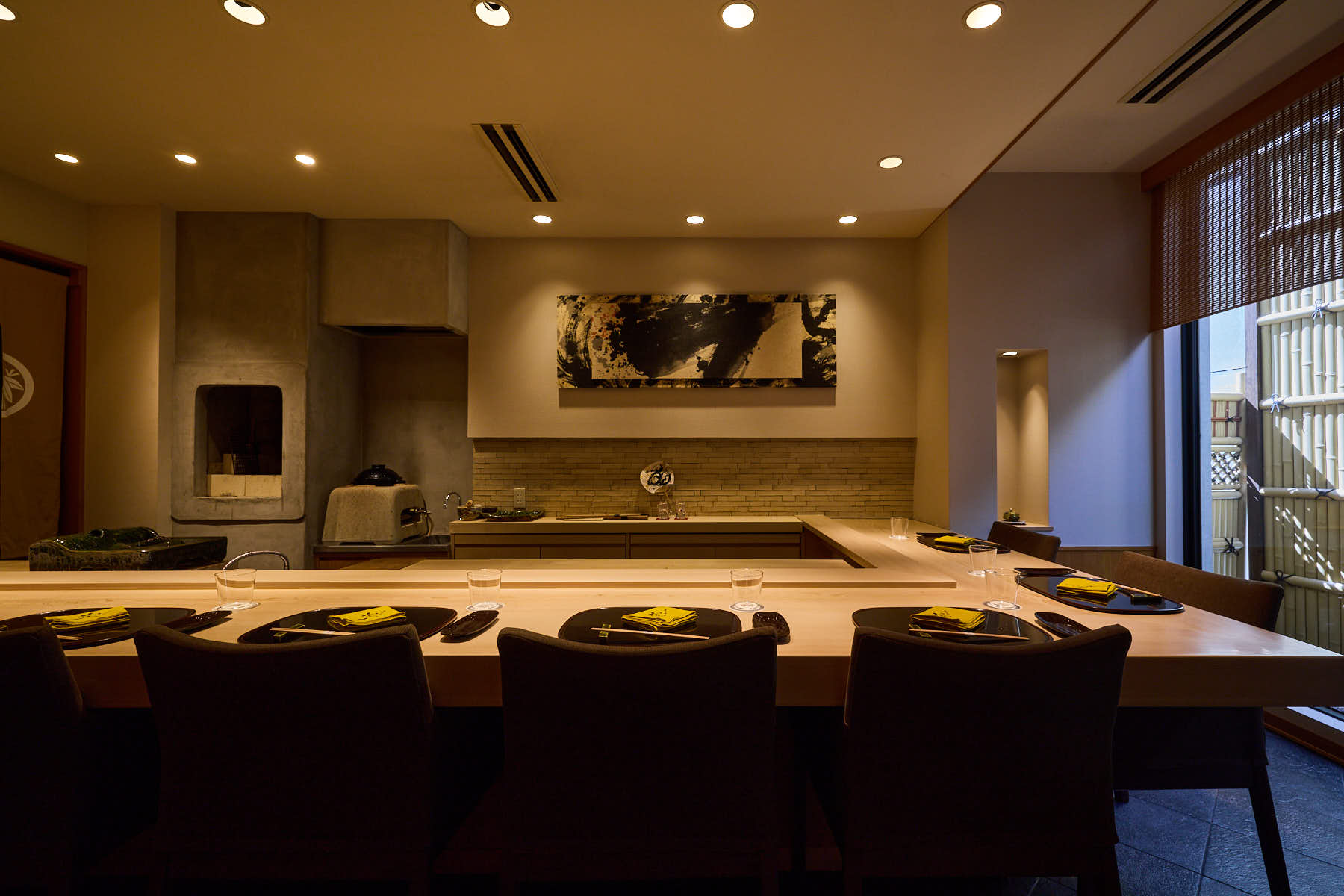
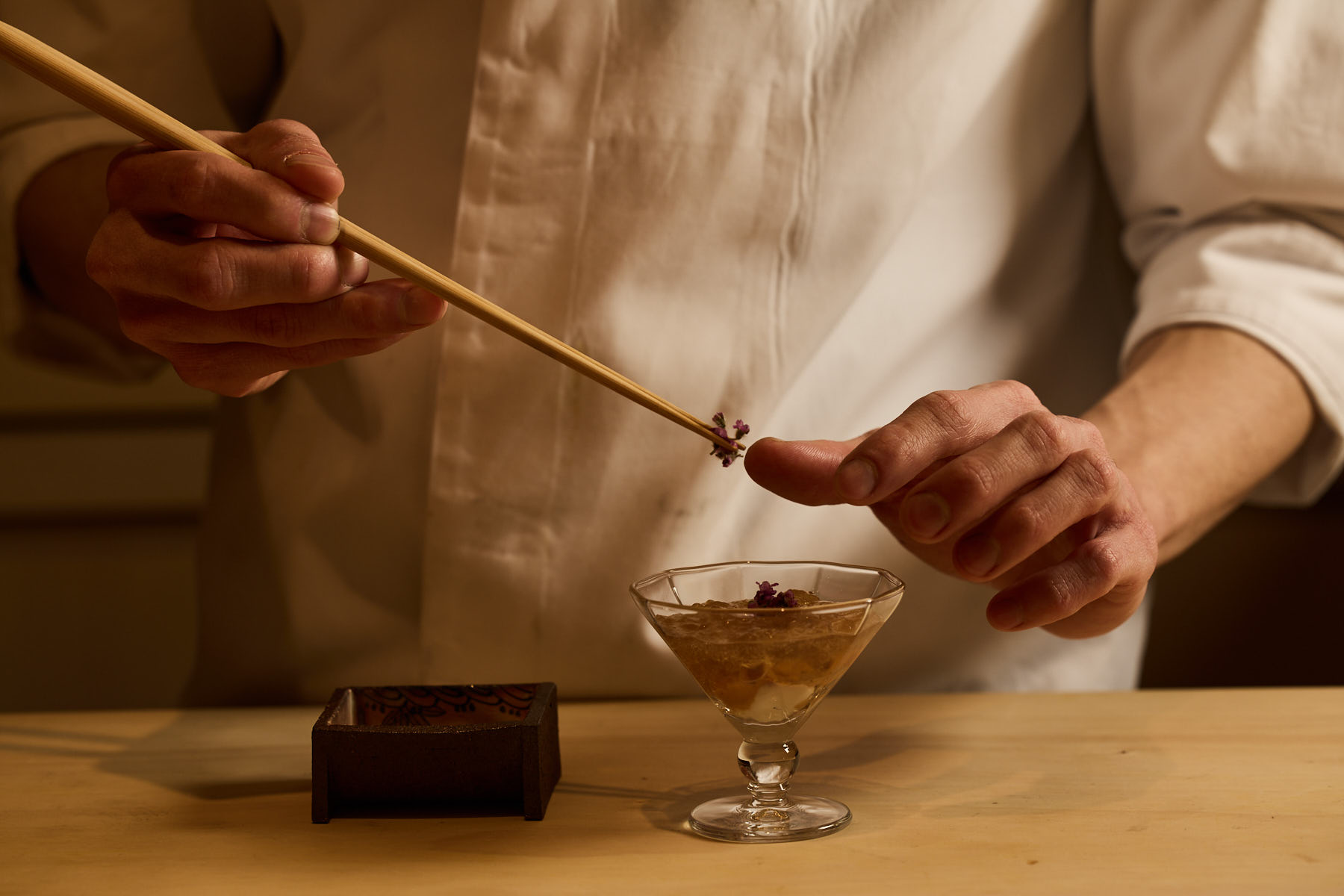
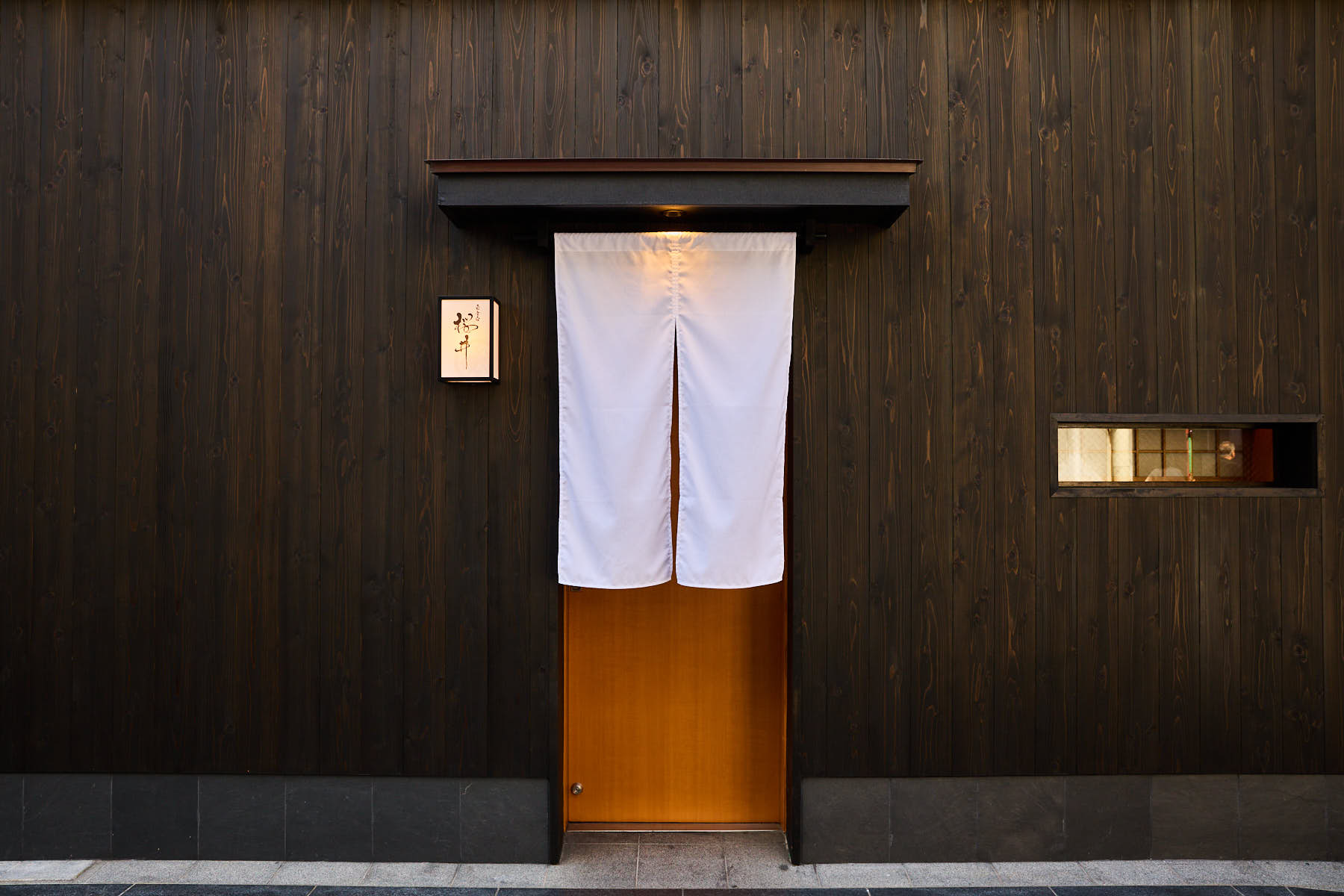
Opened in February 2026, the restaurant is located between Shirokanedai, Meguro and Ebisu stations, tucked away from the busy streets. Inside, the air is warm and calm. A smooth hinoki counter is set around the open kitchen with seating for just eight guests. Appreciation for the seasons, a fundamental concept in Japanese culture, appears in the small details, from the noren curtain to the neatly placed napkins. From every seat, guests can observe Sakurai at work at the charcoal grill and the kamado stove, where each movement unfolds with precise craftsmanship.
CUISINE
A Ritual of Seasons
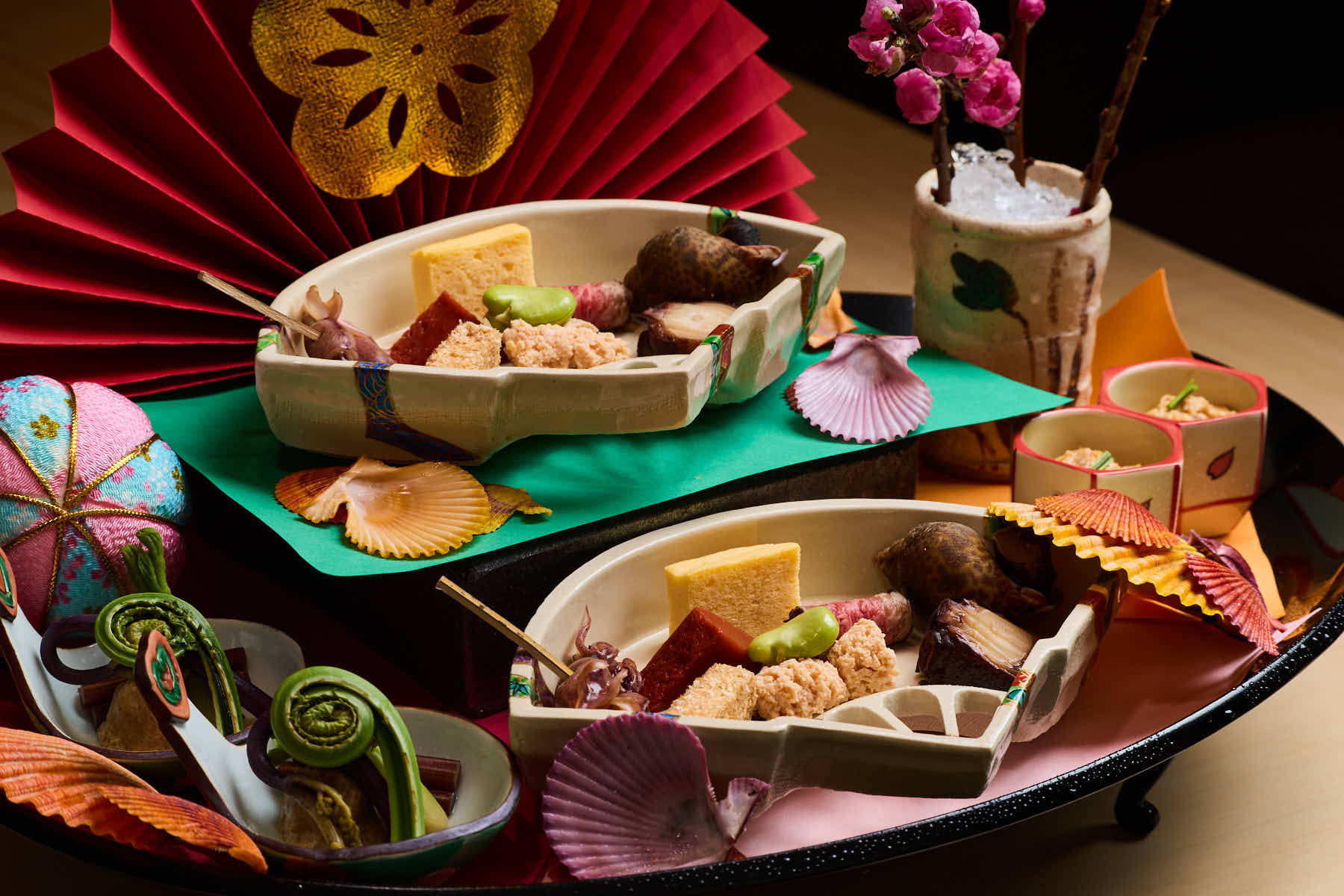
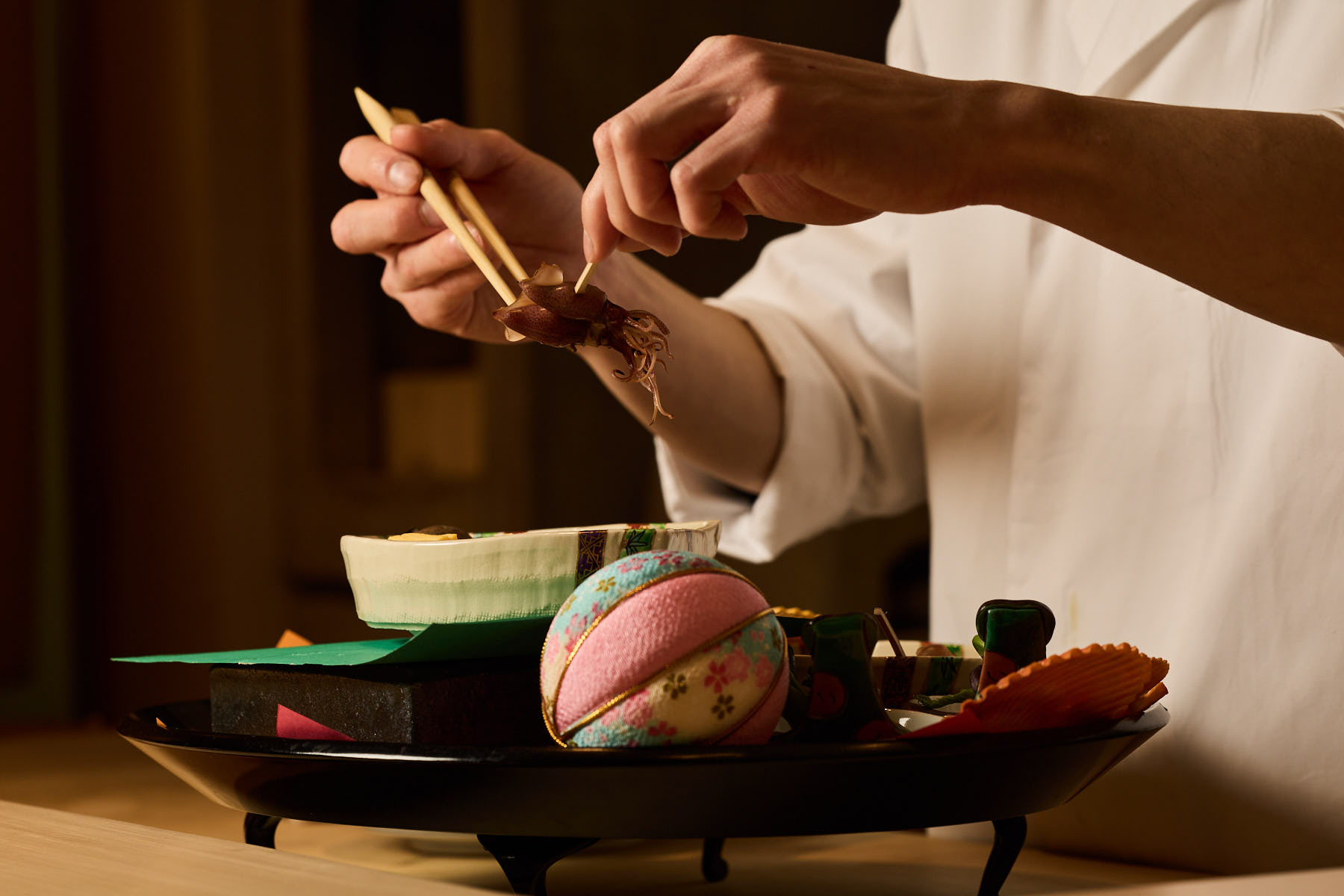
The omakase follows a traditional kaiseki menu that changes monthly to capture the essence of the four seasons. The decorative hassun plate mirrors this theme through both ingredients and presentation. In March, the dish draws on Hina Matsuri, or Doll's Festival, with seasonal delicacies such as egg shinjo dumplings, smoked firefly squid and wild mountain vegetables. The arrangement is elegant and celebratory, inviting diners to experience spring with their eyes before the first bite.
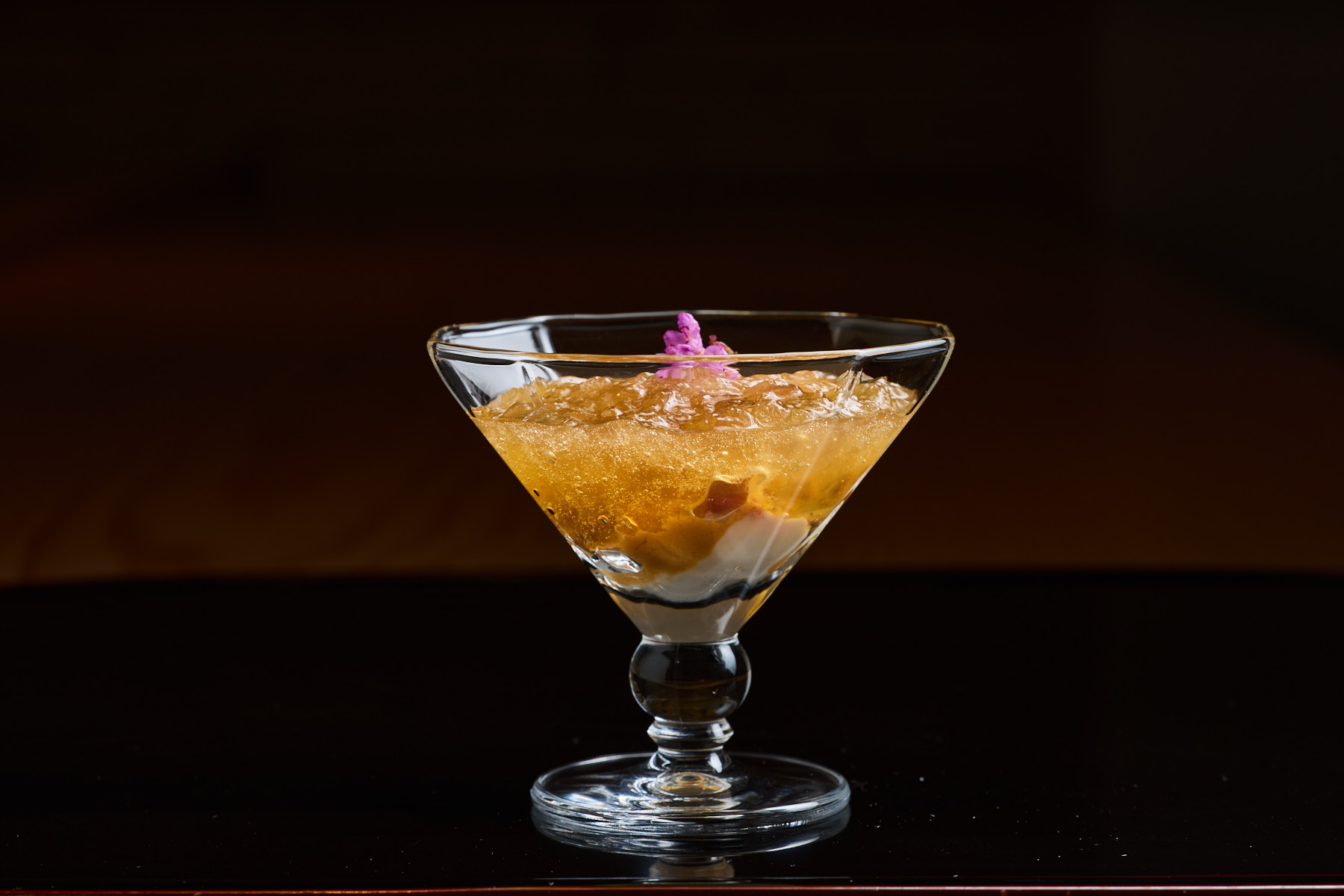
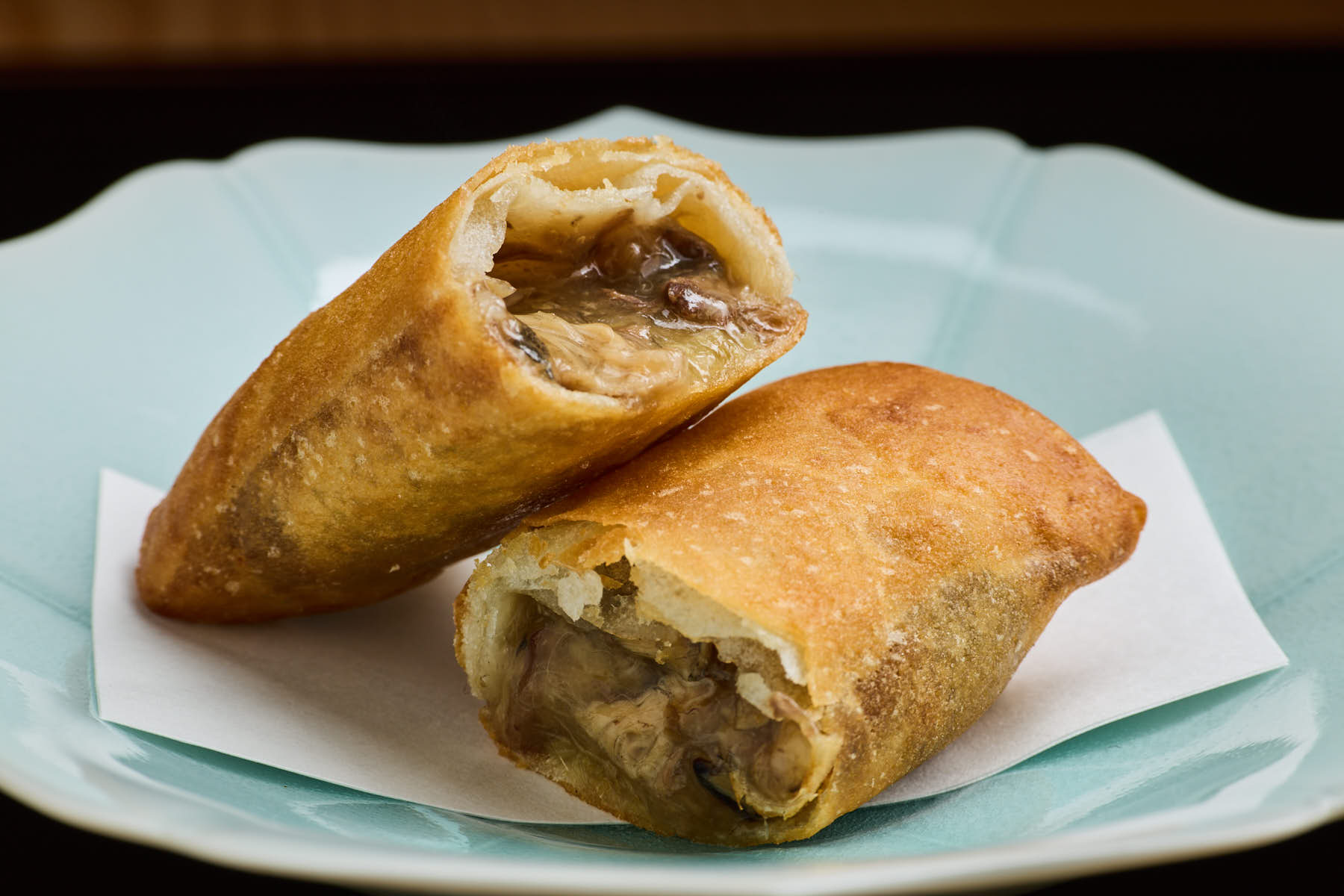
The soft-shelled turtle spring roll is a signature dish here. The umami-rich meat is first simmered, then shredded and reduced into a dense filling, enriched with its own broth and flavored with ginger. The consommé is set into a delicate jelly, presented beautifully in a glass vessel, where the layered ingredients create a striking visual contrast.
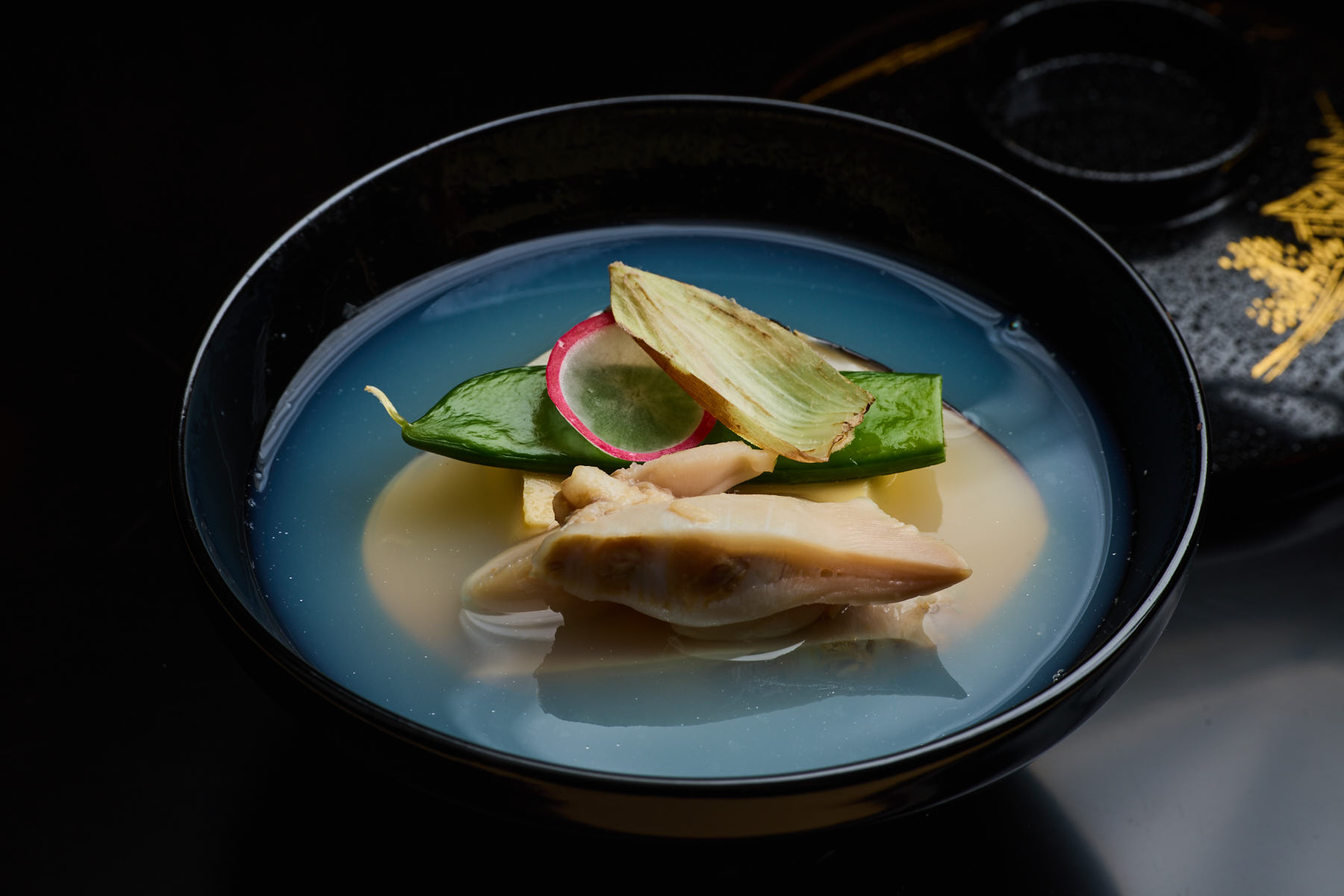
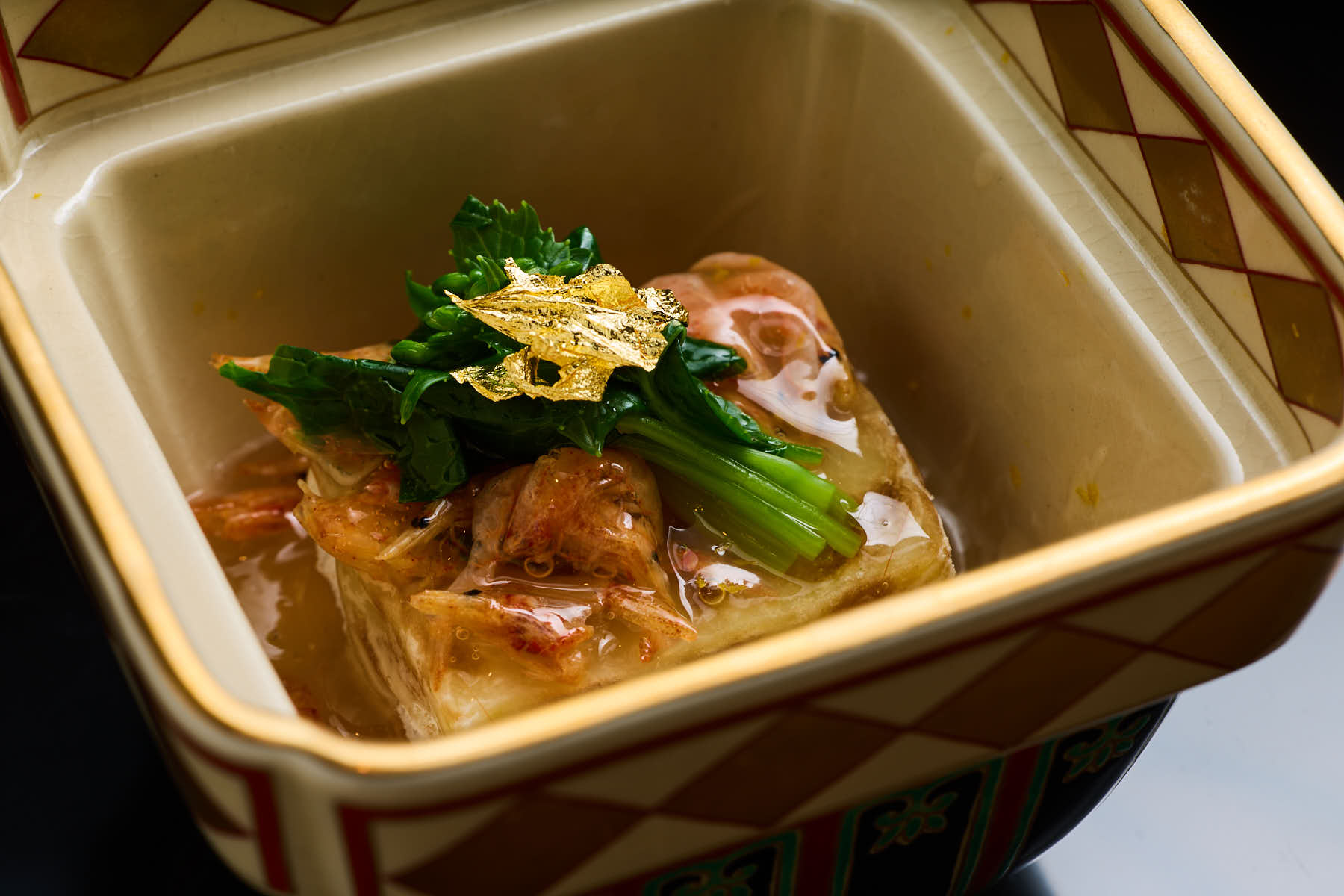
The day’s soup features clams for the Doll's Festival, served with egg tofu, snow peas, radish and fukinoto. The broth is prepared with dried tuna flakes instead of the standard bonito. Sakurai notes that bonito can produce a certain acidity, so he prefers to use tuna for a clearer flavor.
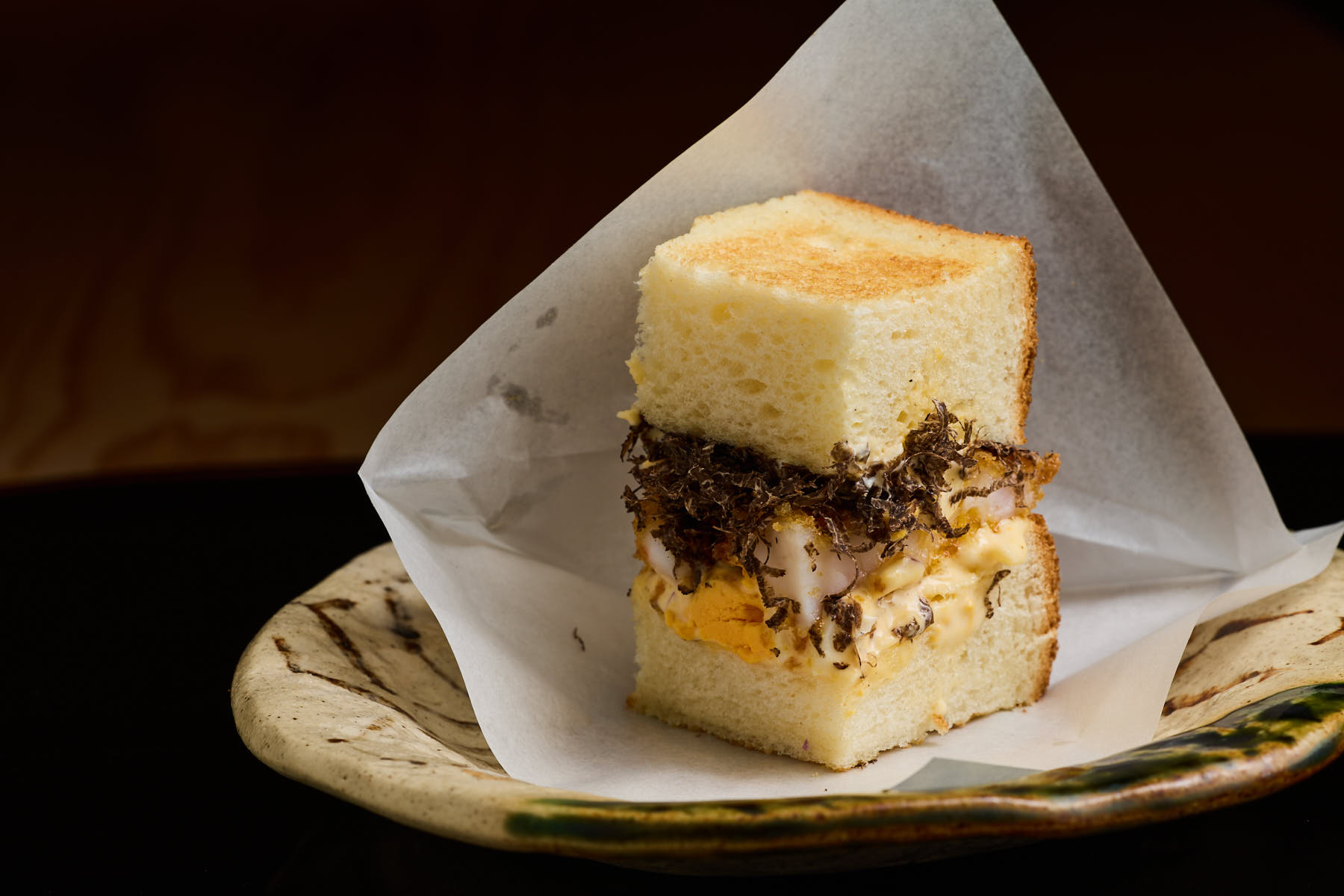
The sandwich brings together Western and Japanese elements. The day’s dish features deep-fried Ise lobster and black truffle, set between soft slices of soy milk bread. The tartar sauce is made with Iburi-gakko pickled radish, bringing a subtle smokiness that ties the dish back to Japanese flavors.
To complement the cuisine, the chef offers a superb sake selection, including Kokuryu Hiirazu and Kokuryu Shizuku from Kokuryu Sake Brewing and Matsunotsukasa from Matsuse Sake Brewing.
INGREDIENTS
The soft-shelled turtle is sourced from Takeda Shoten at Toyosu Market, a supplier Sakurai describes as reliable and precise in its preparation. Many ingredients are selected directly from regional producers. From Shikoku, he procures seasonal products including wild mountain vegetables and natural sweetfish. The kombu for dashi comes from Rishiri and Rausu, while dried tuna flakes are sourced from Kyoto.
CHEF
Tomoki Sakurai
Tableware
From an early age, Sakurai collected tableware with the intention of opening his restaurant one day. Today, those pieces form part of the dining experience at Shirokanedai Sakurai, with each piece selected to fit the seasonal menu. He frequently visits Toki Etsuzan in Kyoto and Fukui to find new pieces. He particularly admires the work of Emiko Takigawa.
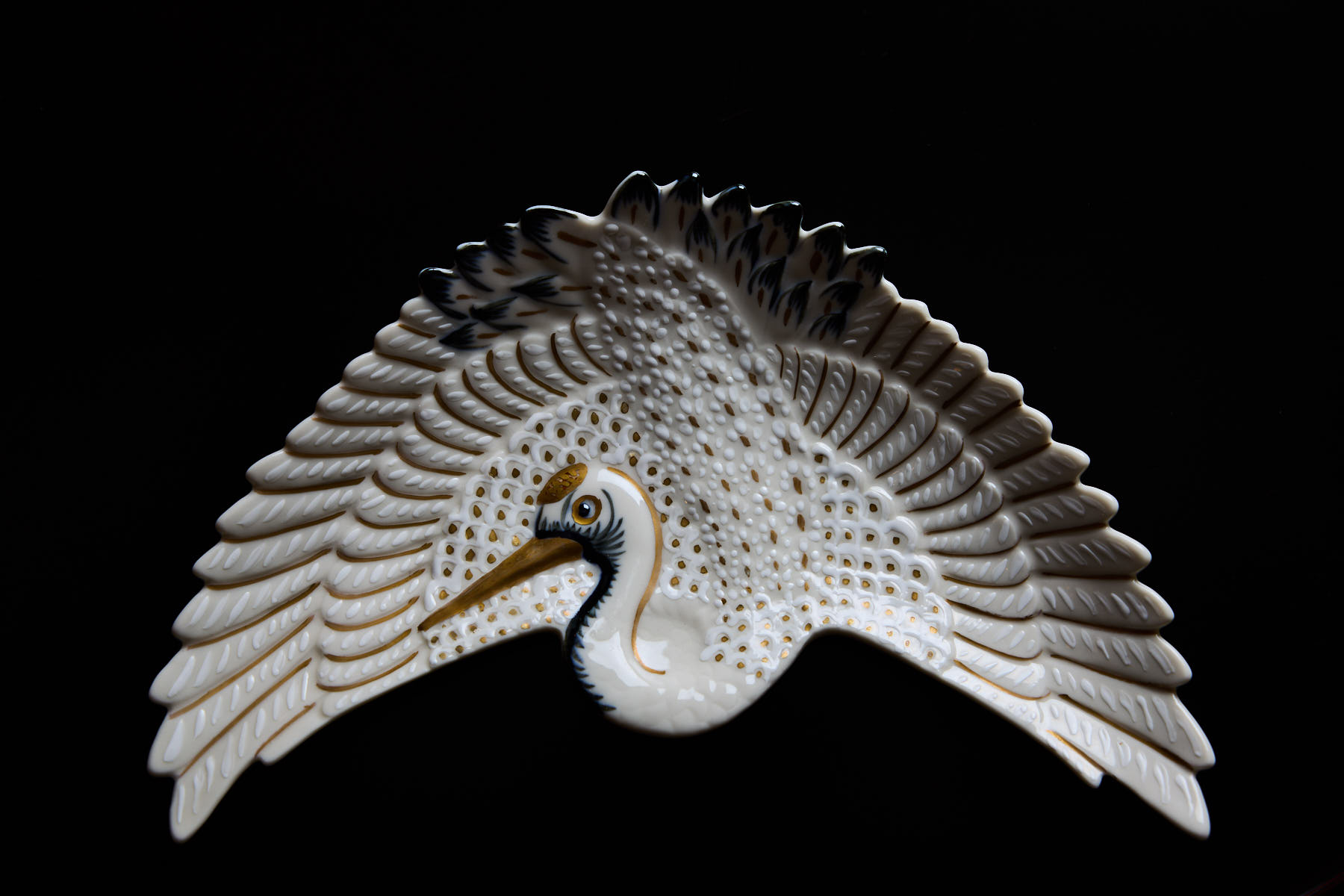
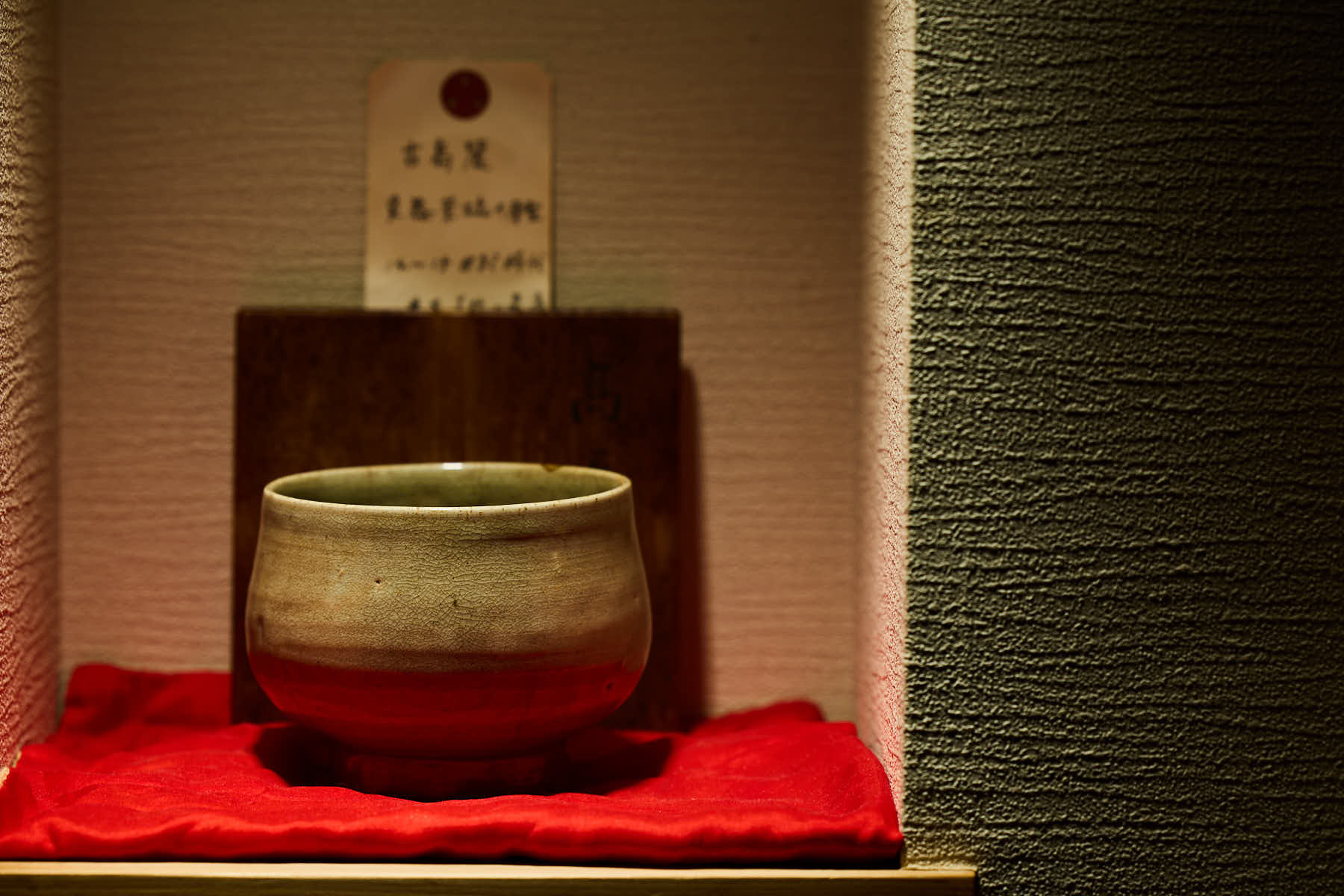
A 14th-century Goryeo tea bowl is displayed at the restaurant. The rare and valuable artifact was a gift from his grandparents, both teachers of the traditional Japanese tea ceremony. Crane-motif plates are used to serve dishes to guests. Each one is hand-painted, with the expression of the crane’s face differing slightly from plate to plate.
Course
- The price includes our booking fee of ¥8,000
- The price includes our booking fee of ¥8,000
Tokyo
Shirokanedai Sakurai
白金台 桜井


- GENRE
- Kaiseki, Shirokanedai
- ADDRESS
-
Barbizon 91 Building 1F, 5-11-3 Shirokanedai, Minato-ku Tokyo, Japan

- OPEN
- 6PM
- CLOSED
- Sundays
- URL
- NA
- PHONE
- NA


